Register

Search Results for: Lear 45

Accident Probes

Pattern Entry Guidance

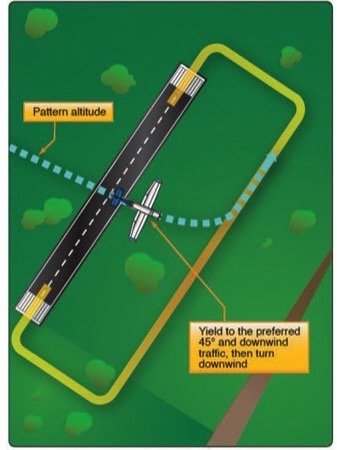
The right-hand diagram on page 32 (July 2018) depicting an alternate midfield entry when approaching from the side opposite the traffic pattern was (and I believe still is) the standard approach taught across Canada when I began flying over 50 years ago. When approaching from the same side of the traffic pattern, we were taught to enter downwind parallel to, slightly wider and slightly further upwind than usual, rather than the 45-degree entry in the U.S. The preferred entry (left-hand diagram) involves a short period where you are blind to everything that may be happening in the pattern and thus may pose unnecessary risk.

Read More »
Airmanship

NTSB Reports

The pilot later stated he selected the landing gear handle to the down position, but the main landing gear did not lock in the extended position. He then selected the landing gear handle up, but the landing gear did not retract. After maneuvering away from the airport, an attempt to pump down the gear with the emergency hand pump was unsuccessful. An airframe-mounted mirror indicated the left landing gear was down. During the landing, the right main landing gear collapsed and the airplane veered to the right and departed the runway surface, coming to rest on the parallel taxiway.

Read More »
Accident Probes

Bad Yokes

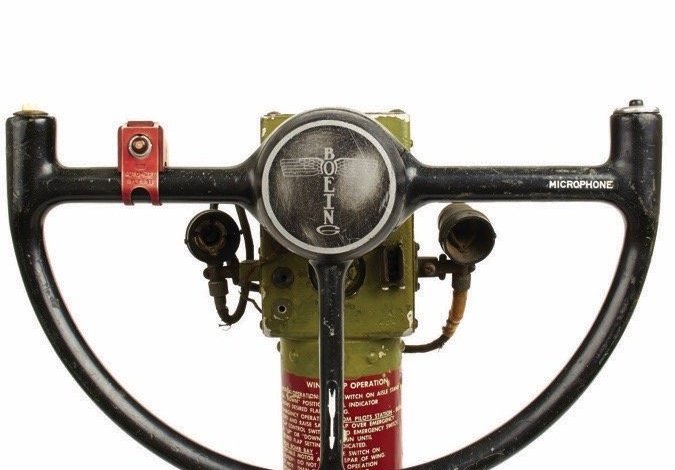
During a scheduled inspection, technicians encountered corroded and bent control yoke boss attachment hardware that proved difficult to remove. After consulting with the manufacturer, the final recommendation was to remove the boss via cutting the bolts (p/n 2315152-33). Manufacturer was able to repair the yoke assembly using SB 31-27-11 and kit 2381602-801. Aircraft had been parked outside without gust locks.

Read More »
Accident Probes

Its Your Job To Check

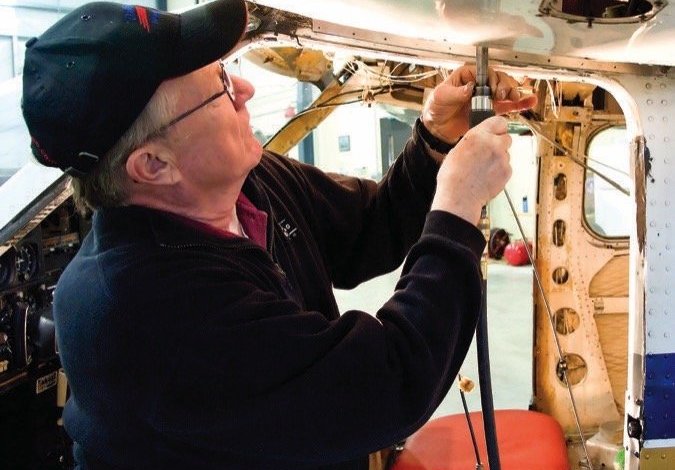
Theres an opinion among some pilots and mechanics that inspections and scheduled maintenance can do more harm than good. By constantly disassembling and reassembling an aircraft to inspect it, they argue, were prematurely wearing out the aircraft and actually making it less safe. Those same pilots and mechanics note that this is largely true, in their opinion, for aircraft that arent flown very much. For more active aircraft, however, they acknowledge that regular inspections and maintenance are less intrusive and, in fact, beneficial.

Read More »
Aircraft Analysis

IMC Emergencies

We were in IMC at 4000 feet, on a vector for the VOR-A approach at the Wichita, Kan., Colonel James Jabara Airport. The airplane was an A36 Bonanza and I was in the instructors seat on the last approach of a day-long training session. This was in the era before GPS, long before iPads and moving-map handhelds, and the owner of this then-well-equipped 36 had ignored the short-lived Loran phase. So we were eastbound on a long downwind, and crabbing into a northerly wind before intercepting the westbound final approach course before circling to Jabaras north/south runway.

Read More »
Accident Probes

Backcountry Safety Culture

Many of todays workplaces seek to create a formalized safety culture, an environment where employees practice behaviors that minimize accidents, look out for their co-workers and where reporting unsafe conditions is encouraged, not subject to retaliation, and frequently rewarded. It can be a great goal, but it often creates an exaggerated sense of safety where people need safety training to use a power strip and posters about how to get out of a car without tripping. The goal of creating a safety culture often ends up a corporate farce, since the best safety cultures are not created by artifice, but happen naturally because people really care.

Read More »
News

Recovery Operation From Alaska Crash Deemed Too Dangerous

The National Park Service has declared that it is too dangerous to recover the wreck of a sightseeing plane that crashed in Alaska earlier this month, according to a news release from the organization. On August 4, a deHavilland Beaver (DHC-2), operated by the “flightseeing” company, K2 Aviation, crashed about 14 miles southwest of the […]

Read More »
Avionics and Gear

Readback: September 2018

Dont Mess with IceI enjoyed the Me Too letter by Harry Dill in the July issue. I think we tend to forget that moderate ice is not like moderate turbulence. It is right below severe. Also, we all talk about how unpredictable ice is, so having forecast or PIREPed moderate ice turn into severe is common. Oh, and really bad. Harry gave good consideration to clouds and icing, and he made it out okay. However, I would not mess with moderate ice at all. Stick with trace and light, and maybe the worst youll see is moderate. Harry can stop at our place in Maryland for a crab cake and wait for better weather on his way up coast from North Carolina.

Read More »
Avionics and Gear

Using Your Autopilot

The point here is that once George is flying, our mental paradigm becomes letting him fly and just telling him what to do. This occasionally results in way too much energy and button-mashing to make a last-minute change. Its ever so much simpler to be hand flying in the first place and, well, aim elsewhere. So, pick an altitude below which youll always hand fly. Perhaps its 1000 feet AGL, or maybe all the way down to 400 feet (but no lower).

Read More »
Pilot in aircraft
Sign-up for newsletters & special offers!

Get the latest stories & special offers delivered directly to your inbox.

SUBSCRIBE