A witness observed the accident airplane at about 30 feet agl without its landing gear extended, and it was not extended when the airplane began to flare. Examination revealed the runway surface showed striated gouges and two long skid marks tracing the airplanes path from the runway.
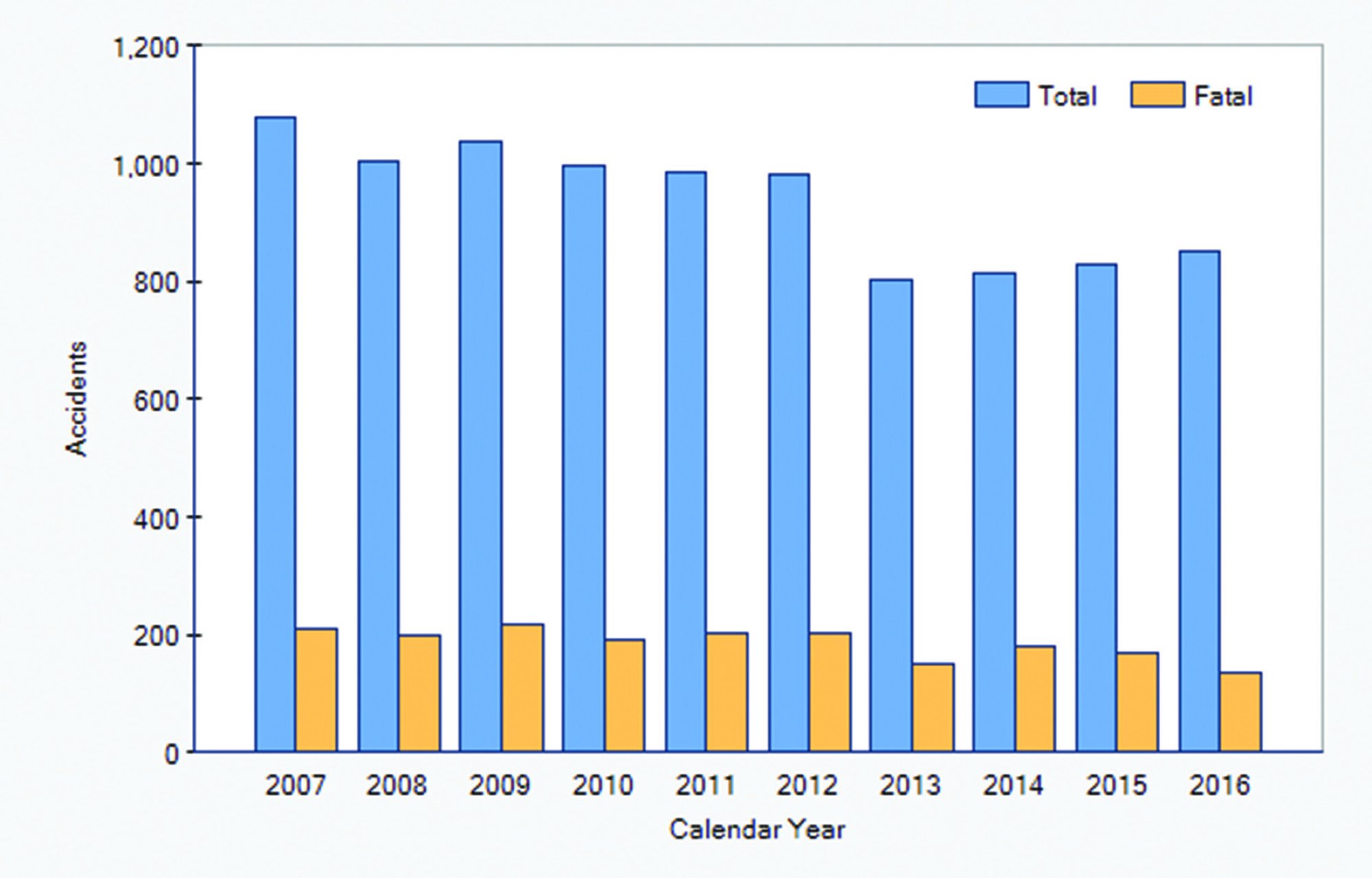
Several accidents resulted from critical mechanical failures or maintenance errors, including engine power loss due to a loose oil filter adapter, faulty fuel pumps, and fuel contamination with diesel exhaust fluid.
Pilot error and misjudgment during critical flight phases were prominent, leading to incidents such as VFR flight into instrument conditions, improper go-around procedures, landing gear mismanagement, and misjudging landing conditions.
Environmental factors, such as instrument meteorological conditions and severe windshear, alongside unforeseen events like a mid-air collision, suspected bird strike, or pilot incapacitation, contributed to multiple accidents and fatalities.
At about 1251 Eastern time, the airplane was destroyed when it impacted mountainous terrain while maneuvering. The commercial pilot and the passenger were fatally injured. Instrument conditions prevailed in the area at the time of the flight.
CREATE A FREE ACCOUNT
Sign up to keep reading
Create a free account to continue. Already a member? Sign in below.