











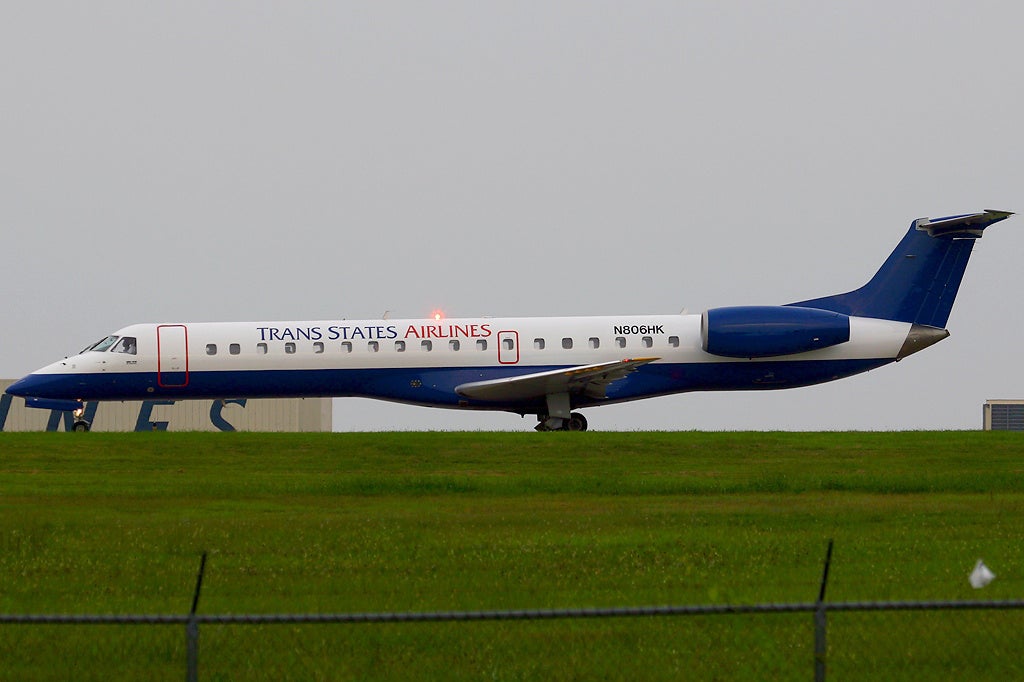



by Roger Long
Theres probably not a pilot out there with more than a couple dozen hours in basic tricycle airplanes who has not felt the infamous and alarming nosewheel shimmy. The other near-universal experience for pilots of Cessnas – and aircraft with similar nose gears – is going out to fly and finding the plane sitting dejectedly on a flat nose strut with a puddle of hydraulic oil around the nose wheel.
These two maintenance issues are much more affected by landing technique than many realize. Being kind to the nose gear can reduce problems and point the way to better landings.
When I learned to fly, shimmy was a fact of life. They all do that all the time. Just pull the yoke back. I was pretty sure Cessna didnt say that to the FAA during certification, but I could understand that keeping shimmy dampers maintained and replaced on planes landing dozens of times a day was a hopeless task.
Right there, I picked up a common misconception. The damper does not prevent the shimmy. One reason shimmy is considered inevitable by many mechanics is that the damper can be serviced or even replaced without eliminating the problem.
The purpose of the damper is to damp, not prevent the shimmy. When shimmy does occur, the damper prevents it from being so violent that structural damage or loss of control results. Shimmy results from looseness and problems elsewhere in the nose gear. With a perfect shimmy damper and other nose gear problems, the shimmy may be alarming but usually is not dangerous.
As maintenance officer of a flying club, I see a predictable pattern to shimmy. We have our nose gear thoroughly gone over by a shop that understands these aircraft and it is solid as a rock for months. Then, Ill see Bad nose wheel shimmy on the squawk sheet, just once. A few days or weeks later, it will show up again, usually by the same pilot.
A while after that, another pilot will report it but no one else seems to be having a problem. Ill take the plane out and taxi as fast as I dare pushing the yoke full forward and back and the gear will be perfectly smooth. I dont experience it on my landings.
Gradually, the reports will increase to the point where a trip to the shop is justified, even though many members are not experiencing problems. A shim will be added, water will be found in between the wheel halves unbalancing the tire, or eye of newt will be smeared on the scissors link, and the cycle starts again.
The Taxi Gear
Clearly the pilots are part of the nose gear shimmy equation, but just where do they fit in? First, some historical perspective. When early tricycle gear aircraft were designed and certified, almost every pilot had been trained in taildraggers. Landing nose high was instinctive.
The nose wheel was never intended to be landing gear; think of it as a taxi gear. A generation of pilots brought up in the easy life of tricycle gear aircraft now ask things of the nosewheel that it wasnt intended to do. They are also doing it on struts that, in many cases, have been flying and landing for a quarter of the history of powered flight.
If all other factors such as wing shape, weight, CG location, flap setting and power are the same, there will be an exact relationship between angle of attack and airspeed. Landing flat therefore means landing fast. If you had the data, you could have someone take pictures of your touchdown and determine the airspeed with a protractor.
Faster landings mean the nosewheel spins faster and there is more energy to drive the shimmy dynamics. If the pilot relaxes the yoke pressure as soon as the mains are rolling, the nosewheel will have to start turning at a speed that may already be faster than the optimum touchdown speed.
The Pilot Connection
Some shimmy is caused by factors with a harmonic component, which means the wheel only shakes at a certain speed. Usually this in the upper part of the speed range and landing fast increases the probability of passing through the critical speed.
Low hours and low currency pilots tend to fly in lighter winds. If they are landing flat, they are likely to be doing it with less headwind and correspondingly higher ground speed and tire rotation.
Another thing that many pilots are not aware of is just how far the nose strut extends in flight without the weight of the engine compressing it. It is very easy to land so flat that the nose wheel actually starts turning before the mains. Do this hard enough and a porpoise will result but, in many cases, the nose wheel will absorb enough energy that the pilot is unaware that the nose wheel contacted first.
Keep the yoke coming back smoothly in the flare. Yoke full back and stall horn going just before touchdown means that that touchdown will be at minimum airspeed. If the yoke is not full back when the mains touch, keep it coming back.
This does several things. The plane will slow due to the drag of the nose high attitude and the increased elevator will hold the taxi gear off the pavement longer as the airspeed decays. Letting the nose come down by itself as the plane slows will make for the slowest speed of contact between the nosewheel and the runway. This is also an important factor in avoiding flat strut syndrome.
If shimmy does occur during taxi or roll out, pull the yoke briskly back all the way and it will usually stop. If not, its way past time for the plane to go into the shop. Once the nose gear is tightened up again, paying close attention to minimum-speed touchdowns will extend the life of the fix. The forces that cause shimmy, such as slight tire imbalances, are always present to some extent. Minimizing touchdown rotation speed will reduce strain on the highly leveraged scissors link and other parts.
The Nuts & Bolts
Flat nose struts are another problem where design meets pilot technique. The strut is basically a telescoping tube. The lower part slides into the upper barrel attached to the firewall. There is oil at the bottom and a bubble of 45 – 60 PSI air or nitrogen at the top.
Gravity, the pressure of the charge of air and the increased pressure of landing try to push the oil out the bottom. In Cessnas, the oil is kept in the strut by a simple O ring seal. This is basically a small version of the O rings in the booster rockets used on the Space Shuttle Challenger, and they work just about as well in cold weather.
The O ring seal sits in a groove in a piece at the bottom of the strut barrel and its edge slides on the shiny chrome surface you see during preflight. The usual failure mode is for something such as dirt or corrosion to catch the round rubber ring and stop the sliding. The seal then twists up on itself and takes on a rope like appearance.
The grooves that result from the twisting do not seal against the chrome and the air pressure blows the oil out the bottom. No flying for you today.
In many cases the seal will be found undamaged on disassembly and could probably be reused if that were not silly for such an inexpensive part. Once it is untwisted, you have to be careful not to get it mixed up with the new one.
Many things can cause the O ring to stick. Grit and dirt that get by the scraper ring that protects the seal are obvious, but most pilots fly with dirty struts. We keep one of the small aluminum bottles designed for carrying hikers stove gas in the plane. Its filled with the same fluid used in the strut and we use a paper towel to clean and pre-lube the strut before flight.
Nicks, wear, rust, or roughness of the chrome strut will lead to repeated seal failures until the strut is re-chromed or replaced. But there is one factor that is under the control of the pilot – the speed of the strut compression. The faster the O ring has to slide over the strut surface, the more likely it is that it will stick and roll.
The Nose Bounce
You can abuse your nose seal without making a hard or bounced landing. Lets look at one where the pilot is making the first turn off after a smooth touch down. There is a smile on his face but, down under the nose, hydraulic fluid is already coating the tire.
The landing is a little fast so it is also a bit flat. Watch a busy day at a GA airport and youll see that these three-point landings are very common.
The mains touch just an inch or two before the nose. Spinning up the main gear tires suddenly from zero to landing speed takes a considerable amount of energy, which translates directly into drag on the wheels. Because the main gear is several feet from the center of gravity, the wheels slow relatively quickly and the rest of the airplane tries to keep going -which induces the nose to rotate down.
The bearings that keep the tube and strut of the nose gear in line also hold the oil seals. When the strut is fully extended, the top and bottom seals are next to each other. The aft pull of the load when the nose tire spins up therefore has a great deal of leverage on the bearings.
Any slack in the bearings – and there will always be some, especially as the gear gets older – will push the seal ring hard against the chrome surface. The design makes it inevitable that the moment of greatest seal pressure will coincide with the moment that the seal has to start sliding. The faster the sliding starts, the more probable it is that the seal will roll.

