Register

Training & Sims

Ice and Tail Stalls

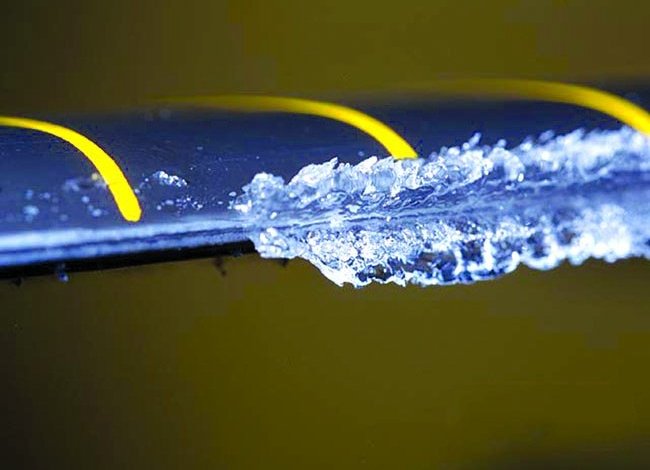
Every year structural icing claims a small but steady number of airplanes. Many of the accidents are on approach in clear air-after the airplane has already collected a load of ice. We look at it afterwards and wonder-the airplane had been doing fine-why did it crash well after it escaped from icing conditions?

Read More »

Icing Weather Basics

Next to poor visibility and low ceilings, ice is one of winters most common weather hazards. A recent study of icing accidents showed that 71 percent of the pilots were instrument rated, averaged 2000 hours, and over half of the flights received a proper icing forecast. This strongly suggests that ice is not well understood or is ignored.

Read More »

Position Reports

For ease of presentation, we divided the required IFR reports into two main camps: IFR position reports and all the rest. All these reports are covered in the following sources: 14 CFR 91.183, 14 CFR 91.187, and AIM 5-3-2 and 5-3-3. Since required position reports are covered in 91.183(a) and AIM 5-3-2, that leaves the other sources for the additional reports.

Read More »

It’s Just A Certificate

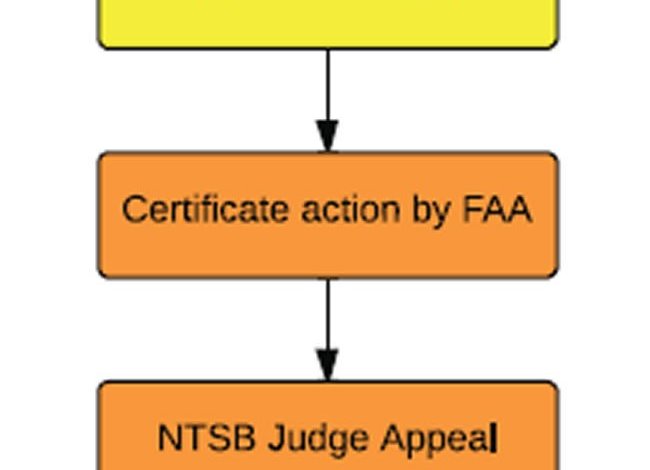
What is that green piece of plastic sent to you by our friends in Oklahoma City called? If you answer license, crack open the regulations. The FAA issues certificates, not licenses. This bit of precision is useful for winning bar bets with flying buddies-serves them right for not reading IFR-as well as understanding the regulatory structure of certification; particularly, the advantages of certification over licensing.

Read More »

Autumn Changes

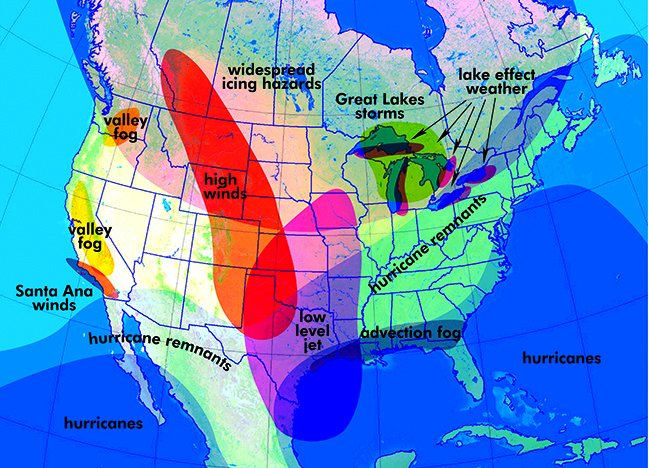
Fall conjures memories of bright blue skies, cool mornings and generally good daytime flying. But in aviation, looks can be deceiving. New air masses are on the move, the jet stream begins to flex its muscle over much of the United States, fronts are marching southward, and theres likely a tropical storm in the Caribbean or the Gulf. How does this affect your flying and how can you avoid an unplanned turn of events?

Read More »

Required Reports

For this look, well cover about half of the reports other than position reports per 14 CFR 91.183(a) that Fred Simonds briefly mentions in his Radar Service Gotchas on page 14. Well thoroughly cover those later.

Read More »

On The Air: October 2014

At the U.S. Army Aviation Center for Excellence (at Fort Rucker, Alabama), U.S. Army flight students perform their supervised solo flight at 20.2 hours of (helicopter) flight time, consisting of three traffic patterns to a hover with the students stick-buddy in the left seat. When winds picked up, the tower safety officer placed all of the solo students on a ground hold. Some of the students got a little impatient while waiting for winds to die down.

Read More »

Big Sky Theory

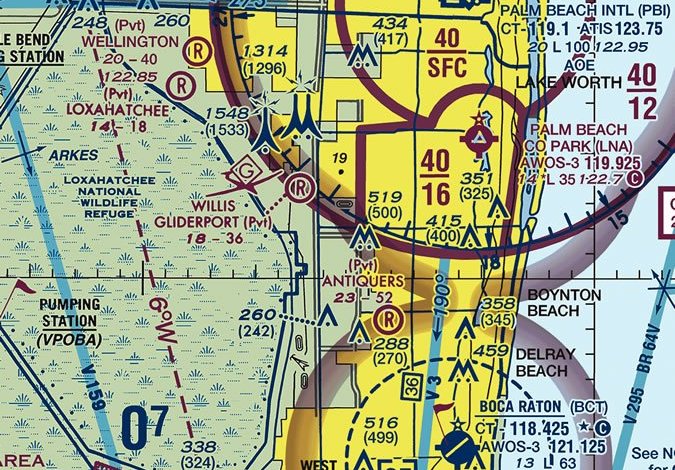
A beautiful VFR day in south Florida was coming to a close. The shadows of beach-front hotels were stretching across the sand 3500 feet below. For my first cross country after getting my private, my wife and I flew VFR from Miamis Opa Locka airport up to Stuart for some Mexican food-a $100 burrito run, so to speak. We were headed home along the coast.

Read More »

How to use a Simulator

When we started our sim-training business, we thought our strongest selling point would be logging cheaper time, such as the 20 hours of the instrument tickets required 40. We were wrong. The sim is a more efficient pilot training environment and shouldnt be seen as a replacement for the airplane. Time logged is a nice bonus, but the real value is the learning efficiency and effectiveness. Once pilots and CFIs understand this, the training opportunities are vastly expanded.

Read More »
Pilot in aircraft
Sign-up for newsletters & special offers!

Get the latest stories & special offers delivered directly to your inbox.

SUBSCRIBE