










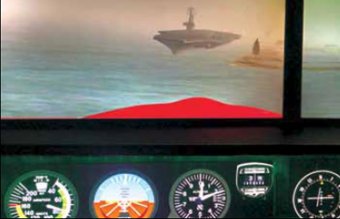
Simulators are not Airplanes
Training is only as good as the teacher. When using a sim, even solid instruction can be unnecessarily inefficient (expensive), defeating the simulators major advantage.

Training is only as good as the teacher. When using a sim, even solid instruction can be unnecessarily inefficient (expensive), defeating the simulators major advantage.
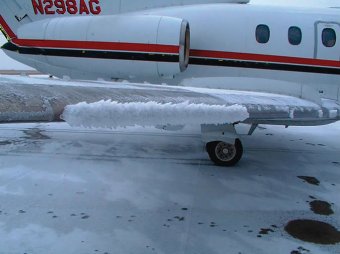
Last months clinic began a detailed look at the reports we are required to give ATC or FSS during an IFR flight. Specifically, we began looking at the reports other than the position reports required by 14 CFR 91.183(a), which well cover separately. The remaining reports come from three sources: 14 CFR 91.183 (paragraphs b and c), 14 CFR 91.187, and AIM 5-3-3.
Two general-aviation aircraft designs, the Turbine Mallard and the all-metal tandem SAM LSA, are up for sale. Thierry Zibi said he enjoyed designing and building the SAM, but doesnt want to run a production company. The SAM is certified in Canada as an Advanced Ultralight, and is compliant with the LSA rule in the USA. Frakes Aviation acquired classic Grumman Mallards type certificate some years ago, and upgraded the fleet with turbine engines. The TC is back on the market now, as the current owners are ready to retire. Were looking for someone to take on the entire project, said Sam Jantzen, of Mallard Aircraft, who is working with Frakes. That would include not just the type certificate but the inventory of parts and several partially-built aircraft now owned by Frakes and based in Texas.
Toward the end of his excellent article, Gaming the System in the August issue, Mr. Kramer talks of cancelling IFR when the frequency is busy and you have gone into VFR conditions. I have always tried to do this to relieve ATC of unnecessary responsibilities.However, this may be a little different in Bravo airspace. On a westbound flight through Washingtons Class B, I cancelled IFR after passing Baltimore and many of the buildups. The controller thanked me, replying, Maintain VFR, report any changes in course or altitude. A few minutes later I had more buildups in front of me. I reported it, and worked my way through. I have always wondered under circumstances like this if I had returned to IFR what the proper communications would have been in the Bravo air space.
We live in an airport community in Florida, 64FA, called Naked Lady Ranch.One of our pilots asked Jacksonville Center (JAX) for direct to Naked Lady Ranch. The controller responded, Affirmative, you are cleared direct to Naked Lady Ranch.This was followed a few seconds later by, JAX, this is American 123, wed like a clearance to Naked Lady Ranch and Cactus 456, requesting direct Naked Lady.
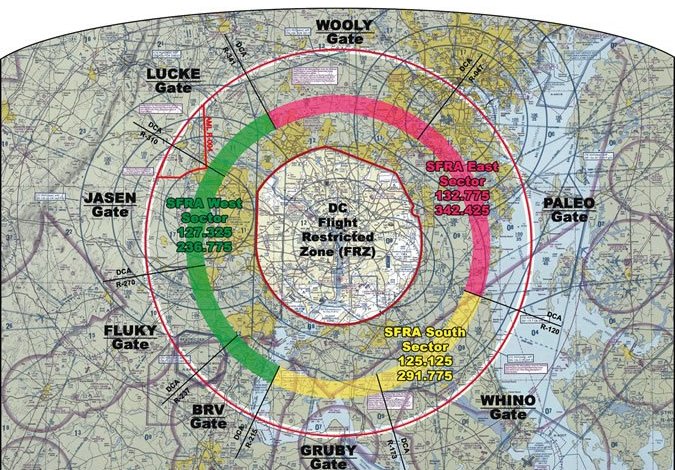
I vividly remember my first VFR flight into the Washington, D.C., Special Flight Rules Area (SFRA, previously the D.C. ADIZ). Arriving into Leesburg, Va., I ducked under the Dulles Class B airspace and entered the downwind behind another aircraft. Thats when I heard the voice: Watch your altitude. I figured Potomac Approach somehow smelled fresh blood and would have a SWAT team greeting me on landing.
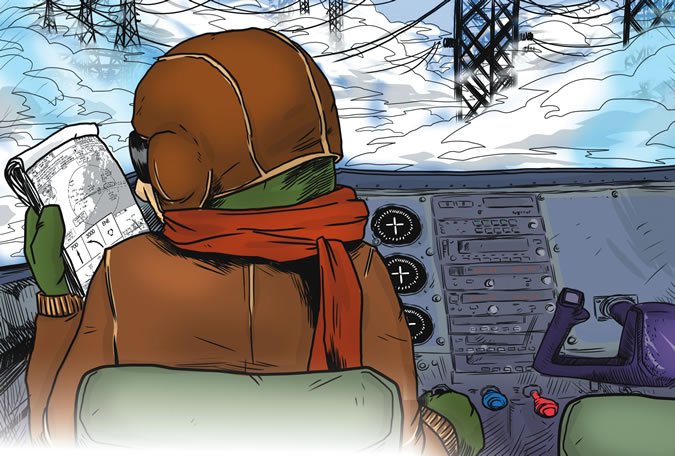
As an instructor for GLASS Simulator Center in Sugar Grove, Ill., I see a lot of pilots execute missed-approaches. Theyre all instrument-rated and flying the sims for type-specific aircraft training. Most have considerable IFR experience.
I read with interest-and a chuckle at the question why no one wants to be a pilot today-your editorial, Pilot Shortage Arrives in April 2013. Bottom line is that its just too damned expensive. Getting into the game costs tens of thousands and takes precious time people do not have these days. They see no value in being a pilot. People today have many alternatives for their hard-earned discretionary/recreational funds.
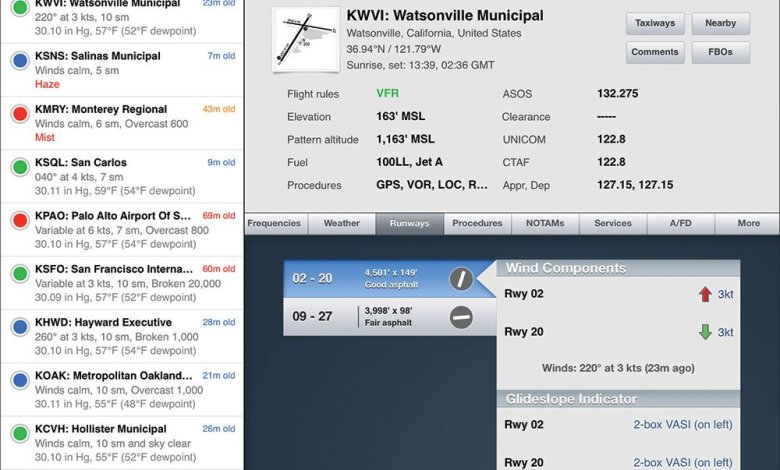
Remember when Garmin first came out with their GNS 430? What a wonderful list of features it had. But, even after a few years in service, it turned out that many pilots were intimidated by the sophisticated routing capability and few ventured beyond using direct-to for navigation.
Last January, the FAA changed internal policy on reporting potential pilot deviations. The stated goal was to discover why adverse safety events happen and identify the risks. The real-world fallout of this is pilots are getting warning letters in the mail for events they would have blown off in the past.

Get the latest stories & special offers delivered directly to your inbox.
SUBSCRIBE