IFR Magazine

March 2016

Cirrus Aircraft officials had been hoping to deliver the first SF50 Vision jet by the end of last year, but the company said in January that schedule has stretched to sometime in the first half of this year. Mooney International Corp.s M10T proof-of-concept model completed its first flight, in December, from Chino Airport in California. The M10T, unveiled in 2014 at the Zhuhai Airshow in China, is aimed at Chinas flight training market, and will be manufactured there. The FAA launched its drone registry in late December, and within the first three weeks, about 180,000 drone users had registered. In the NTSBs annual list of most-wanted safety improvements for aviation, loss-of-control accidents repeated from last years choice for general aviation. Anticipating that Congress will consider changing how the FAA is funded in this years spring session, 15 general-aviation advocacy groups signed a letter in December asking the U.S. House to hear their real and long-standing concerns about the expected proposals.

Read More »

Technically Advanced Aircraft Endorsements

The FAA often lags high-tech innovations. When the Advanced Avionics Handbook first came out, many of us were already flying glass. Yet, Technically Advanced Aircraft (TAA)-essentially, aircraft with a navigator and moving map-raise critical questions, from how we update and maintain the stuff to how we train and use it.

Read More »

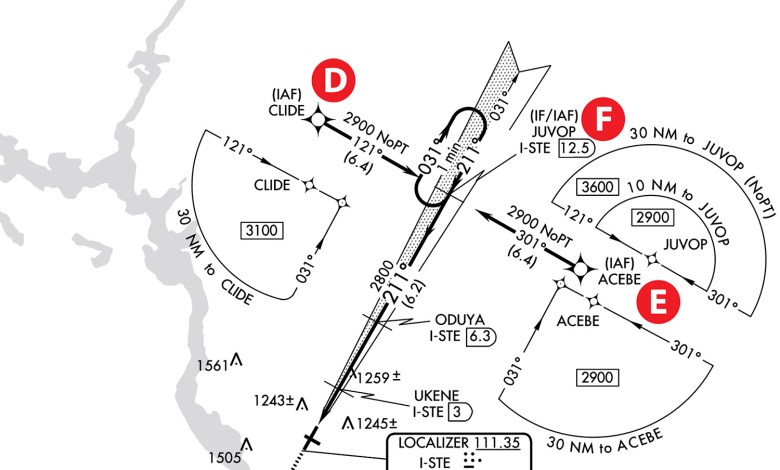
Flying Into Procedure Turns

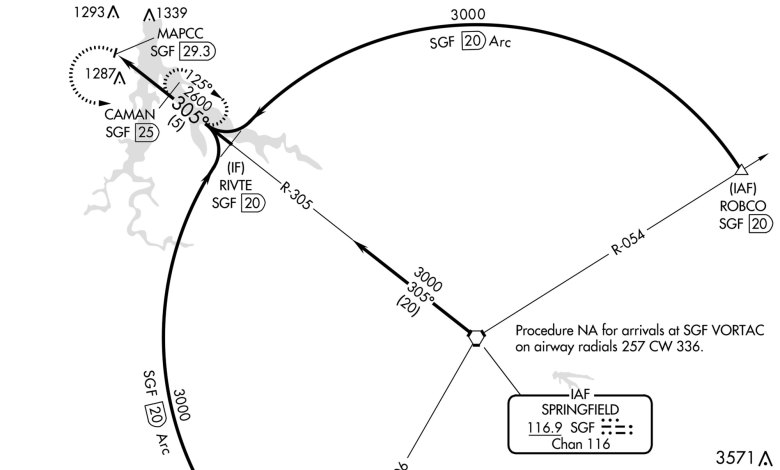
It seems pretty obvious-start the procedure turn (PT) past the remain within fix and dont exceed the specified distance. But, there are other considerations such as having enough time and distance to make the FAF altitude inbound. Then, theres the Buchannan Field VOR Runway 19R approach at Concord, CA (KCCR). Here, the chart clearly shows that the procedure turn begins after HUKVI. Or does it?

Read More »

Flight-Level Winds Aloft

Winds aloft charts have long been a staple of flight planning, if at least just to figure wind correction angles and groundspeed. But in Wx Smarts, we try to help you more fully exploit weather products to think more like a forecaster than a person just checking off boxes during preflight.

Read More »

Staying On Top of GPS Navigation

How does your GPS navigator handle a leg to a specific heading or to a specific altitude? Do you fly these with the confidence of Captain Picard of the Enterprise, or of Doctor Who pushing a button to see what happens? These legs are common, particularly as the first step on a missed approach: Climb runway heading to 1300, then …

Read More »

IFR Around the World

Lessons came from all around the world. The instrument flying I learned applies almost 1:1 overseas. Yet, subtle nuances-often procedural-coupled with psychological perceptions of difference, did come to light. For example: While its one thing to be between stations over the Rockies, what about in Bangladesh?

Read More »

Tale of Two Approaches

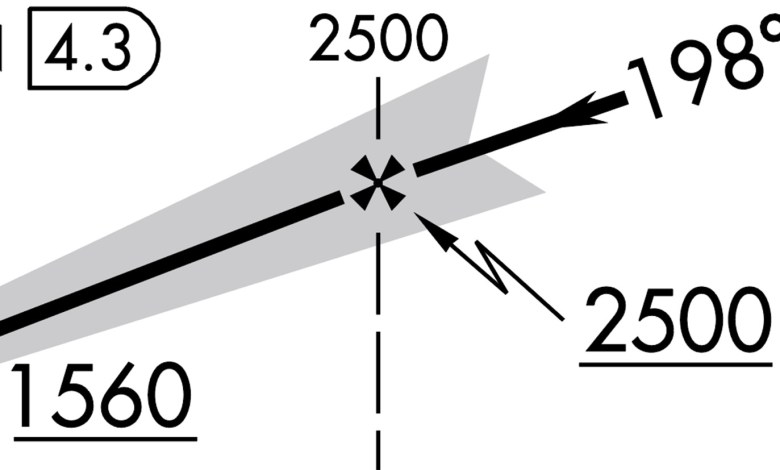
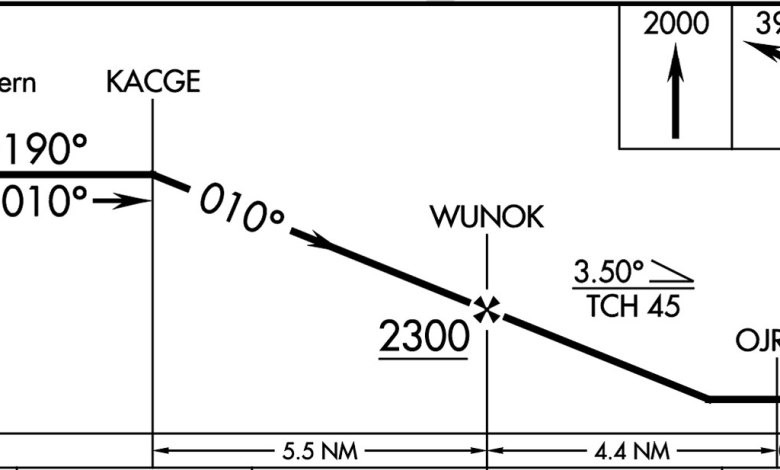
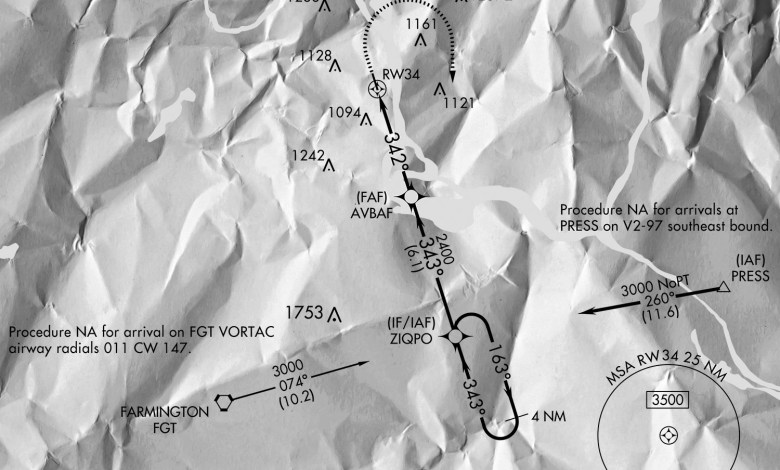
Most approaches of the same type, particularly RNAV (GPS) approaches, seem essentially the same. The fixes and the minimums are different, but just about everything else is similar enough to other approaches to give a proficient pilot a been there, done that feeling. This thinking can lead us to simply check that the weather is good enough before departure, rather than actually studying the entire procedure before launching.

Read More »

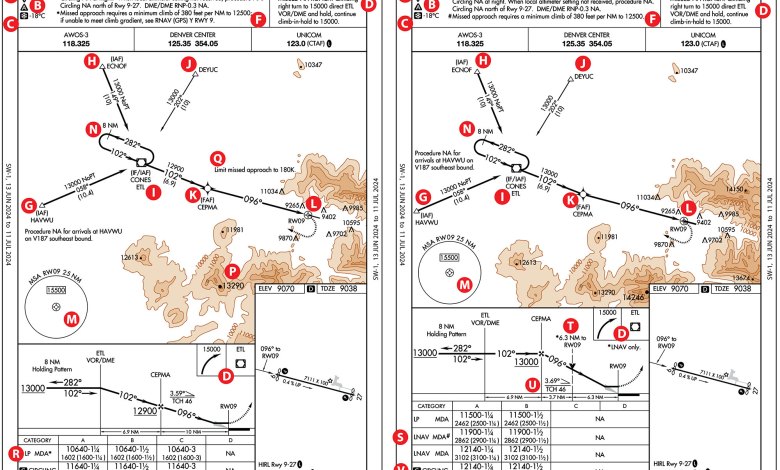
Five Lines of Minimums

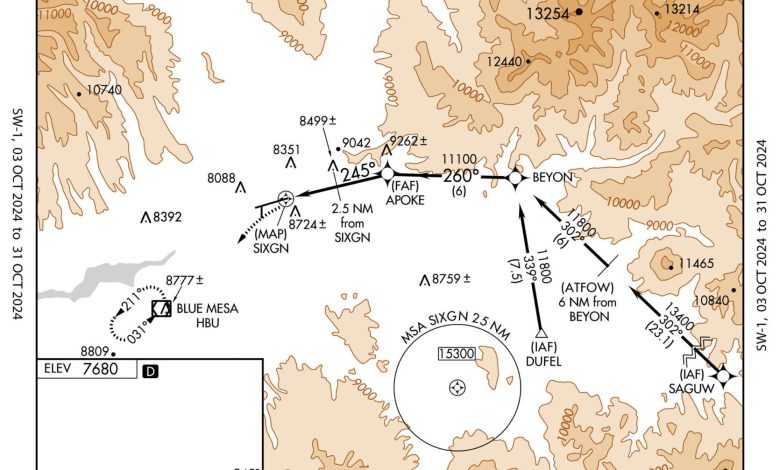
There are some things that you never expect to see together, and they surprise you when used in the same context: West Texas referred to as alpine, Donald Trumps name beside front runner, and hashtags on approach charts, I cant explain that second one, but the first and last make sense when digging into the RNAV (GPS) Rwy 19 approach at E38, a.k.a. Alpine, Texas.

Read More »
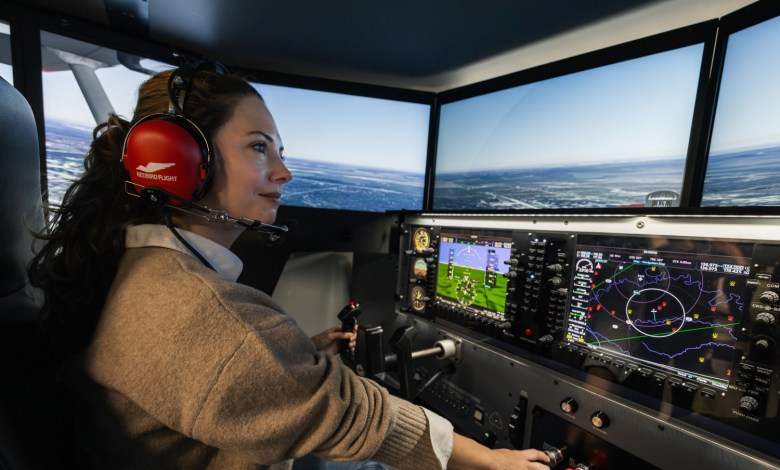
Pilot in aircraft
Sign-up for newsletters & special offers!

Get the latest stories & special offers delivered directly to your inbox.

SUBSCRIBE