













Register

IFR Around the World

Lessons came from all around the world. The instrument flying I learned applies almost 1:1 overseas. Yet, subtle nuances-often procedural-coupled with psychological perceptions of difference, did come to light. For example: While its one thing to be between stations over the Rockies, what about in Bangladesh?

Gemini Sparkle

Key Takeaways:

  • While 90% of IFR flying is universal, international operations highlight significant procedural differences due to less ATC control and radar availability outside familiar environments.
  • Pilots must practice meticulous pre-flight planning, develop self-reliance for navigation and terrain avoidance, and be proactive with air traffic control, especially in non-radar or less controlled airspaces.
  • Key lessons learned include the importance of current navigation data, adapting to local operational norms (e.g., approach speeds), and thoroughly planning all phases of flight, including maneuvering for landing.
See a mistake? Contact us.

The controller said, “Mooney N231WG, there’s one departed aircraft 12 miles southwest, 7000 feet, climbing FL380. No other traffic indicated. Call when you’re outbound.”

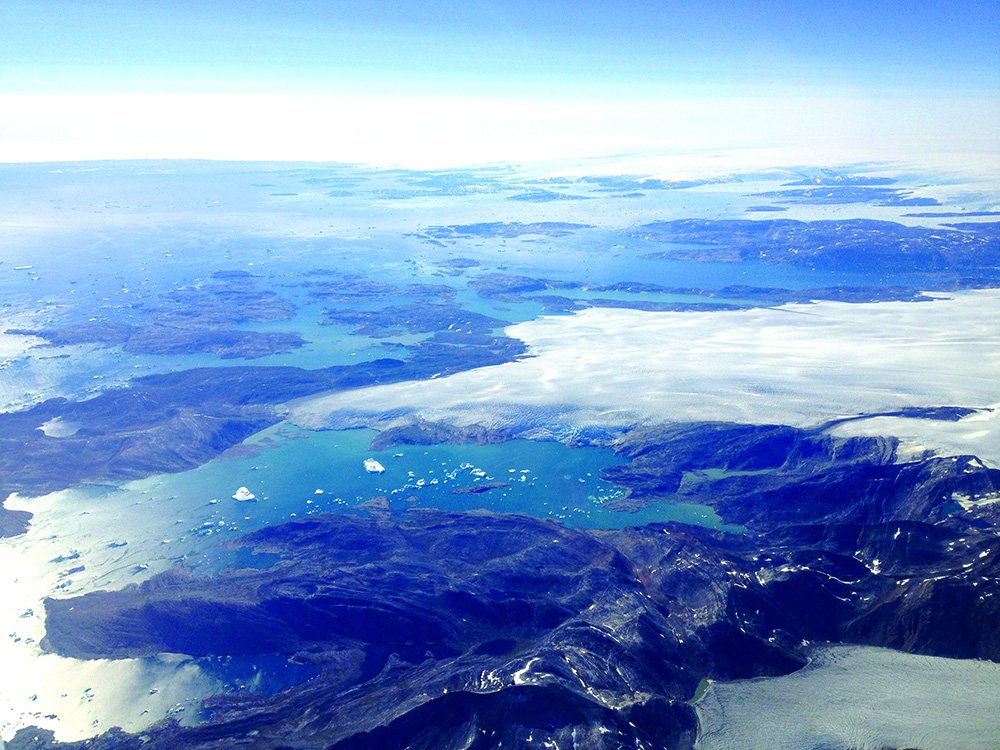
Wait, that’s it? We’re at FL150 20 NM southwest of Narsarsuaq, Greenland, in IMC with 7000-foot peaks all around the sea level airport. And that’s it? It’s up to us to safely descend 15,000 feet on an NDB approach with all those mountains around, not to mention avoid that departed jet? No guidance, no clearance, no radar. Just let them know?


Ready to Sell Your Aircraft?

List your airplane on AircraftForSale.com and reach qualified buyers.

List Your Aircraft
AircraftForSale Logo | FLYING Logo
Pilot in aircraft
Sign-up for newsletters & special offers!

Get the latest stories & special offers delivered directly to your inbox.

SUBSCRIBE