













Register

Can You Handle It?

Winter means tighter limits on weather, fuel, and time. But this doesn’t eliminate all the risks, even with a solid alternate—so be prepared, which often means proficient.

Gemini Sparkle

Key Takeaways:

  • A pilot faced severe winter flying conditions, including strong headwinds, gusting crosswinds, and extremely cold temperatures that necessitated altitude corrections for instrument approaches.
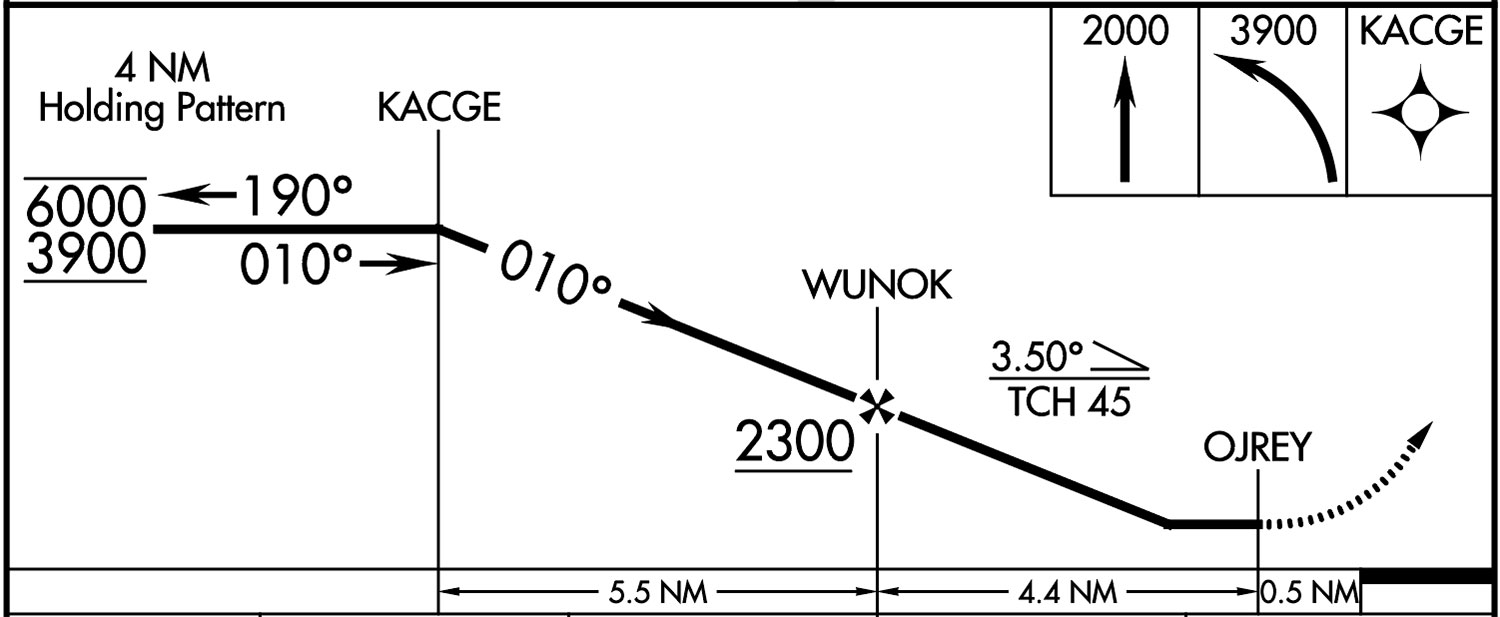
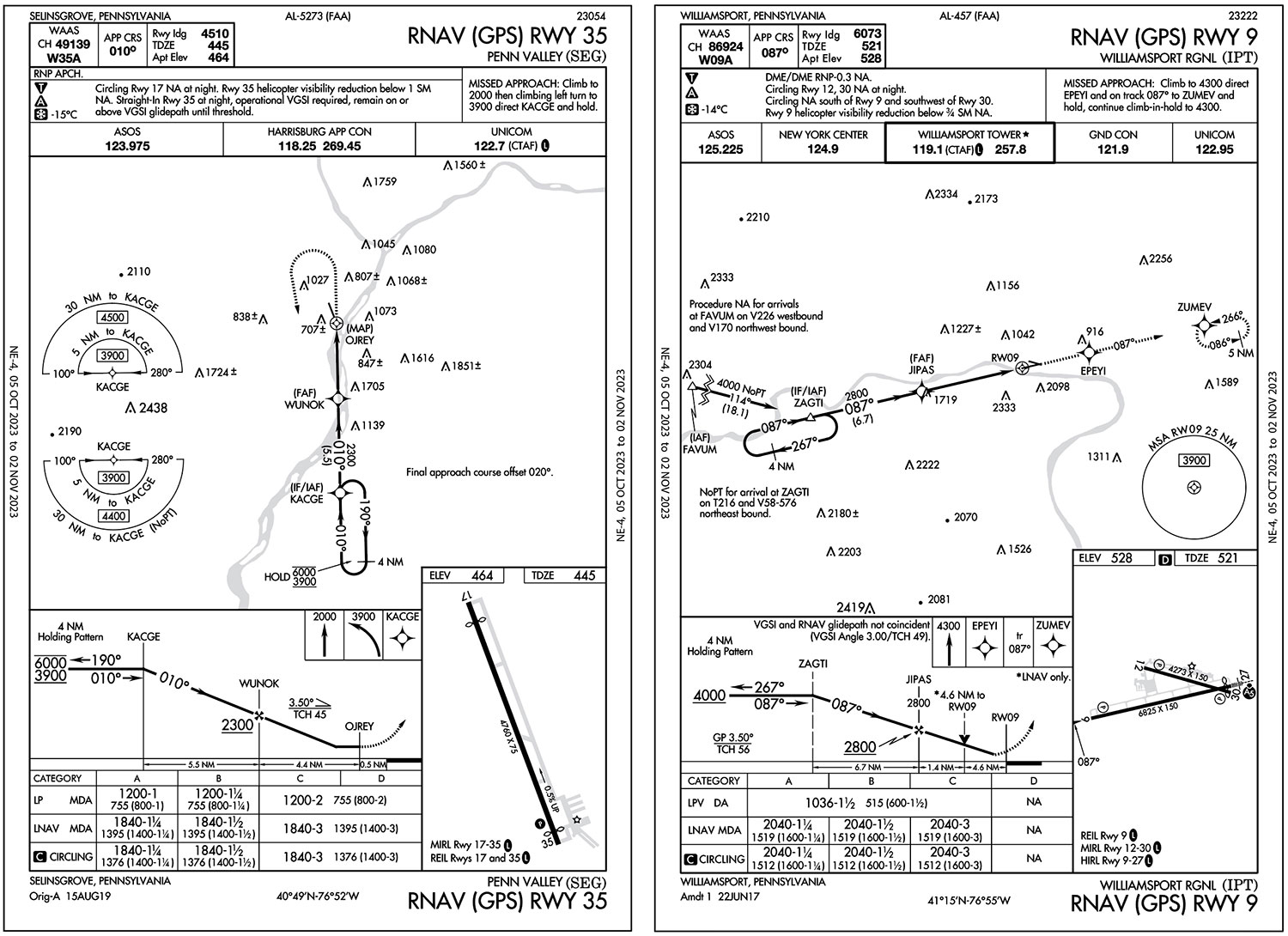
  • The challenging RNAV approach at the primary destination, featuring a 20° offset and intense crosswinds, led to a difficult go-around due to alignment issues and reduced landing length.
  • The pilot successfully diverted to an alternate airport, demonstrating the critical importance of meticulous preparation, experience in adverse conditions, and adherence to safety protocols like cold temperature corrections and fuel planning.
See a mistake? Contact us.

Winter hazards in some areas don’t peak until around Valentine’s Day, and could last a couple more months before ceilings, winds, and cold start letting up. So, those accustomed to the season take more care planning their trips, accepting more risk of cancelling them. And when a flight does depart, that preparation surely gets put to the test.
Yeah, It’s Cold

Flying from southern Ohio to Selinsgrove, Pennsylvania, in February wasn’t your first choice for a 300-mile cross country, but family obligations required an early-afternoon departure for the two-hour flight. That gets you to KSEG well before sunset, but the northeast headwinds added some extra time pressure. Plus, winds are gusting up to 35 knots at the surface.


Ready to Sell Your Aircraft?

List your airplane on AircraftForSale.com and reach qualified buyers.

List Your Aircraft
AircraftForSale Logo | FLYING Logo
Pilot in aircraft
Sign-up for newsletters & special offers!

Get the latest stories & special offers delivered directly to your inbox.

SUBSCRIBE