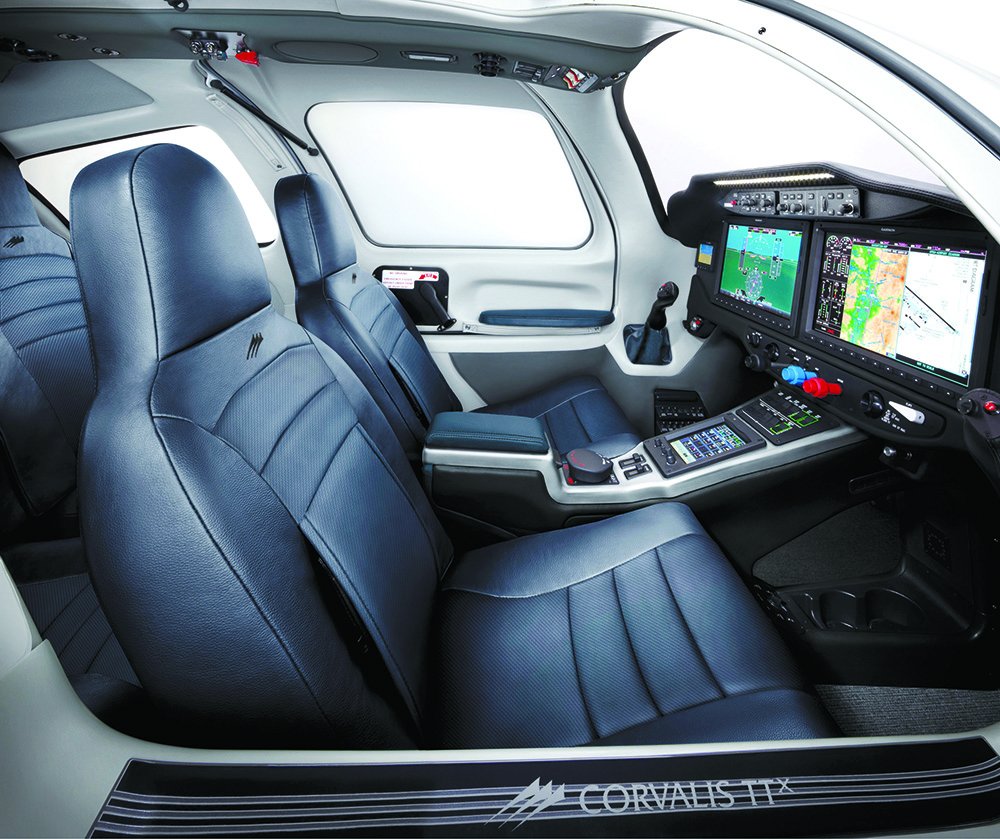
The FAA often lags high-tech innovations. When the Advanced Avionics Handbook first came out, many of us were already flying glass. Yet, Technically Advanced Aircraft (TAA)-essentially, aircraft with a navigator and moving map-raise critical questions, from how we update and maintain the stuff to how we train and use it.
The FAA's current training and regulations are insufficient for the diverse and rapidly evolving advanced avionics (TAA) now prevalent in General Aviation aircraft.
There is a growing demand for structured, panel-specific avionics training and potentially an endorsement, as generic approaches fail to address the unique operational logic of different systems.
To avoid eventual FAA mandates, the article advocates for proactive self-regulation, emphasizing the critical role of integrated, aircraft-specific simulators for pilot proficiency and currency.
The FAA often lags high-tech innovations. When the Advanced Avionics Handbook first came out, many of us were already flying glass. Yet, Technically Advanced Aircraft (TAA)—essentially, aircraft with a navigator and moving map—raise critical questions, from how we update and maintain the stuff to how we train and use it.
CREATE A FREE ACCOUNT
Sign up to keep reading
Create a free account to continue. Already a member? Sign in below.