IFR Magazine

February 2016

After over 18 years in development, Honda Aircrafts first airplane, a twin-engine single-pilot light jet, received FAA certification in December. When the FAA opened their drone registry in December, they succeeded in getting plenty of media attention, but they had less success getting the entire user community on board. In November, the SkiGull, Burt Rutans 47th (and last, he said) aircraft design flew for the first time, from a lake in Idaho. The one-of-a-kind two-seat seaplane is equipped to land on water, runways or snow. Private pilots can let their friends chip in for gas under the FAAs rules, but that doesnt mean they can advertise online to fill empty seats on a private plane and cost-share, the FAA has said. JetBlue announced in November it plans an ab-initio training program for its Embraer SA E190 crews.

Read More »

Practical Logging

On the heels of the controversy about logging time in a simulator, the FAA has given us an InFO that unequivocally provides clear guidance about when we can log an approach. Thats guidance that weve been lacking, so were glad to see it.

Read More »

Garmin Flight Stream

Like many active pilots, Ive enthusiastically embraced the transition to digital technology in the cockpit. The panel in our V35B Bonanza is well equipped for instrument flight, with Garmin navigators and an Aspen Evolution EFD1000 Pro primary flight display. But, I also wanted to add ADS-B traffic and weather information, and a way to carry instrument charts electronically without compromising safety.

Read More »

GPS Backup Strategies

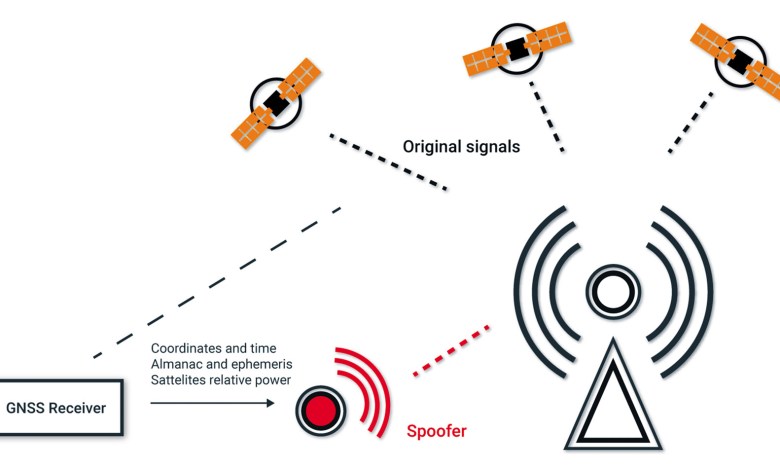
In the October 2015 issue of IFR, I noted that the VOR reduction plan included a provision for something called the Minimum Operational Network, or MON. The FAA says that MON is specifically aimed at lower-end GA IFR aircraft in case of a GPS outage. I added that MON is a transitional strategy to get to something called APNT, or Alternate Positioning and Timing. Lets dig into this and explore the GPS backup support you can expect in the future as we transition from terrestrial to satellite navigation.

Read More »

Loss of Control

Loss of control in-flight (LOC-I) is the leading killer in GA, with more fatal accidents than the next six causes combined. The Colgan 3407 and Air France 447 crashes brought LOC-I to the forefront. Were forced to ask how we can lose control of perfectly good airplanes. The American Institute of Aeronautics and Astronautics identified LOC-I as the most significant cause of commercial aviation fatalities worldwide.

Read More »

Weather Multitasking

For the moment, well begin with a nickel tour of both the ATC and the national aviation weather systems. Naturally, theres some overlap between them. The FAA air traffic control system is one big ol network. The chain of command begins with the ATC System Command Center in Virginia, which provides oversight and coordination between the biggest ATC facilities, the Air Route Traffic Control Centers.

Read More »

Can You Log That?

Within the IFR community, there has been much confusion over how and when to log instrument approaches. The FAA extended that confusion to logging approaches in a simulator as we wrote in the December issue, Need a Sim Instructor?

Read More »

Accidents, Drones, NASA Aircraft and More

The NTSB says general aviations loss-of-control accident rate is too high, and held a day-long Humans and Hardware forum on the issue in October, in Washington, D.C. As the FAA worked last year to develop new rules governing the use of small drones in the National Airspace System, a Google executive said the company plans to launch commercial drone home deliveries in 2017. NBAA called its 2015 convention, held in November in Las Vegas, enormously successful on a business and community level. A group of NASA engineers and private-sector partners working in California is creating an X-Plane demonstrator, based on a Tecnam 2006T, that they hope will prove the efficiency of using an array of small electric-powered propellers for general aviation aircraft. The nonprofit group working to get the B-29 Doc back in the air exceeded their Kickstarter goal, raising $159,151 from 1,007 backers, and said they now have the funds they need to complete the flight-test program. And Jet Pack Aviation, of Australia, introduced its lightweight jetpack with a flyby of the Statue of Liberty.

Read More »

IFR Airport Basics

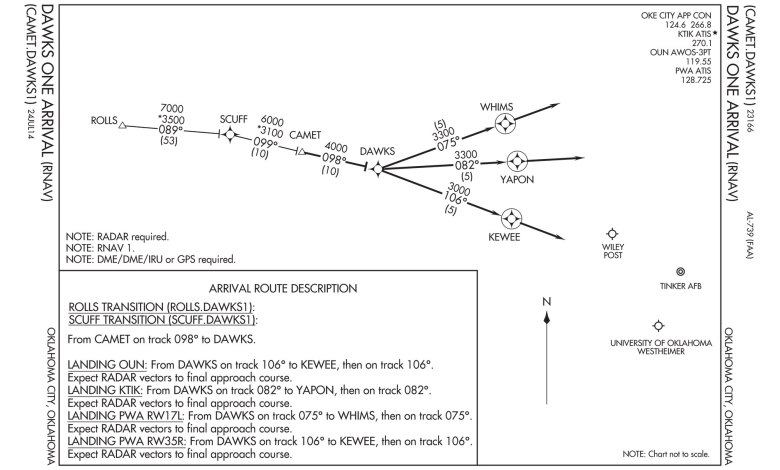
Recently, a reader asked about a puzzling approach at Chatham, MA (KCQX). The RNAV (GPS)-B is perfectly aligned with Runway 24 and the descent angle is a routine 3.05 degrees, yet it has only circling minimums. Approaches most often just have circling minimums if the alignment to the runway exceeds 30 degrees (for most procedure types) or the descent angle is greater than 3.77 degrees (for Category C and below). So, whats up at Chatham?

Read More »
Pilot in aircraft
Sign-up for newsletters & special offers!

Get the latest stories & special offers delivered directly to your inbox.

SUBSCRIBE