IFR Magazine

Simulator Training Centers

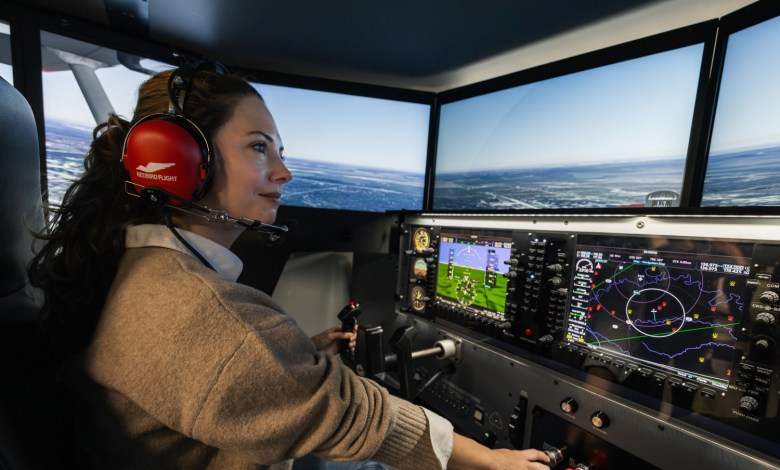
On these pages weve repeatedly emphasized the benefits of simulator training. Its something in which we believe quite strongly. In a simulator, you can more safely explore the edge cases of flight than youd ever consider tackling in an aircraft-until the aircraft presents you with one of those edge cases by surprise. Plus, simulator training is far more efficient in time and cost than an aircraft.

Read More »

Download the Full November 2016 Issue PDF

For jets over 75,000 pounds, many airports urge pilots to use Noise Abatement Departure Profiles (NADPs). There are two detailed in FAA AC 91-53. A Close-in Community NADP is intended to provide noise reduction for noise sensitive areas located in close proximity to the departure end of an airport runway. A Distant Community NADP has less stringent requirements since the noise-sensitive areas are further away. Each specifies thrust settings, speeds, lift device settings, and altitude goals, all designed to maximize climb rate and minimize disturbances.

Read More »

Download the Full October 2016 Issue PDF

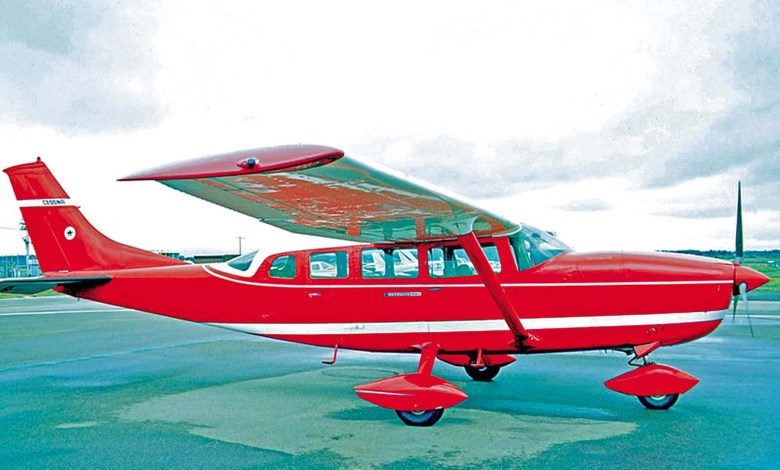
That was when I realized that my system had stopped charging. Not only was the weather collapsing, but the location I had just departed had limited maintenance options and expected severe thunderstorms with hail the following day. From my previous loss of electron flow, I knew I could do a great deal in this different airplanes cockpit to manage power consumption, plus I was flying steam gauges that didnt need electrons. Plus it was Mothers Day weekend, so continuing to a destination with known good weather required less decision making than finding an alternate airport with services.

Read More »

On the Air: October 2016

I got the dreaded write down this number to call the FAA last week. We were flying into Lancaster, south of Dallas, for breakfast. After taking off from my local airport in a V-tail Bonanza in VFR conditions, the predicted scattered clouds at Lancaster turned out to be a low overcast. We were on VFR flight following, so I called DFW approach and got a pop up IFR clearance to shoot the GPS 31 approach. About the time we reached the FAF, we got the call to copy down a phone number.

Read More »

When Air Traffic is Light, ATC Lets You Take Your Time Landing

Controllers cant just look where the traffic is now. Were mentally projecting every route ahead to see future conflicts. If Ive got two 120-knot aircraft at the same altitude converging on a point 20 miles away, in 10 minutes theyll be waving to each other. Something-like an altitude change-must be done in 10 minutes. If I need to use immediately in that altitude clearance, I screwed up by waiting way too long.

Read More »

Approach Charts: Read the Fine Print

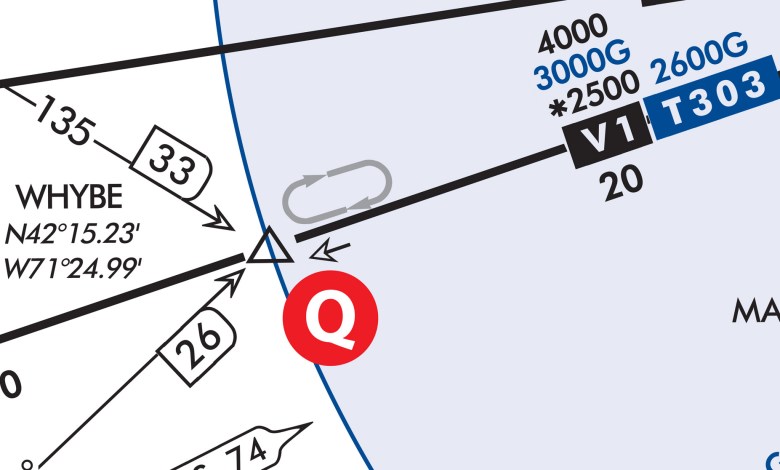
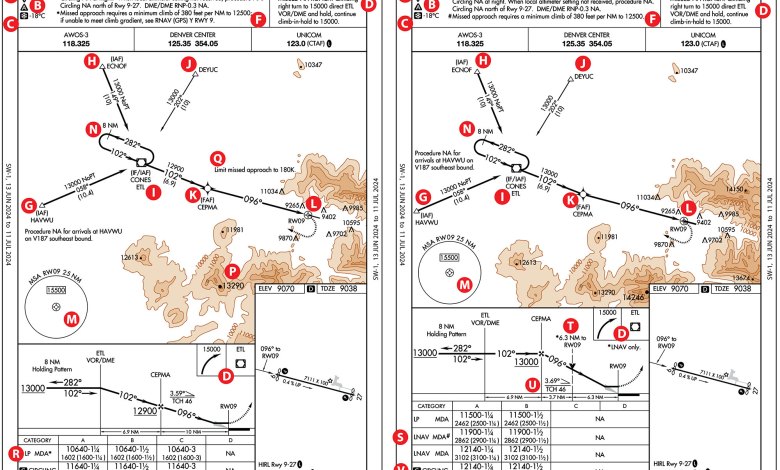
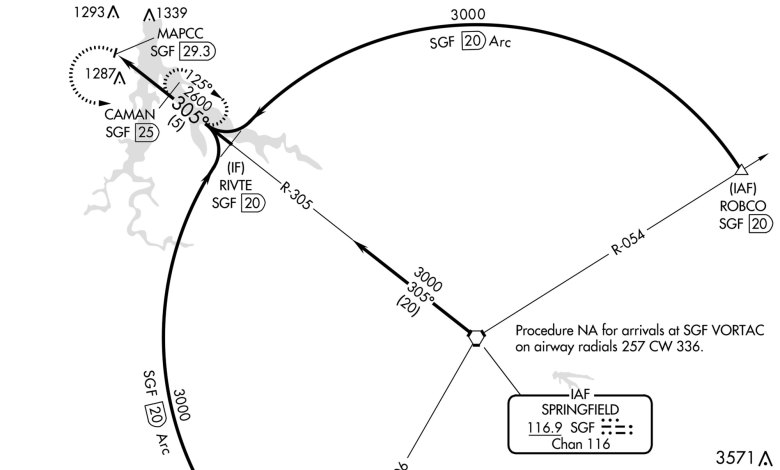
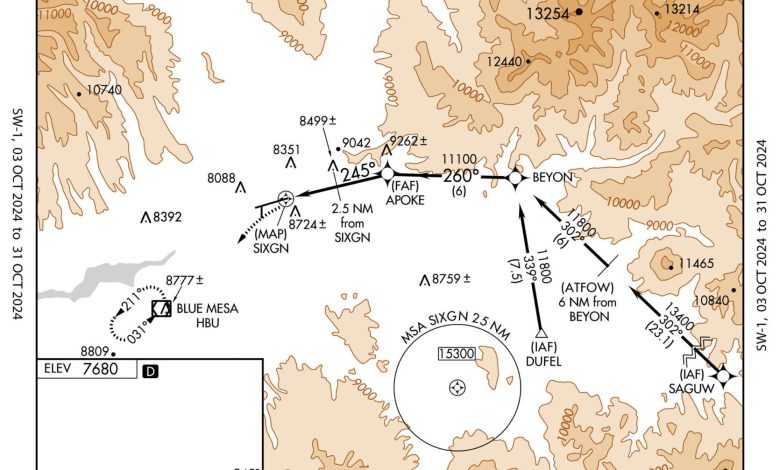
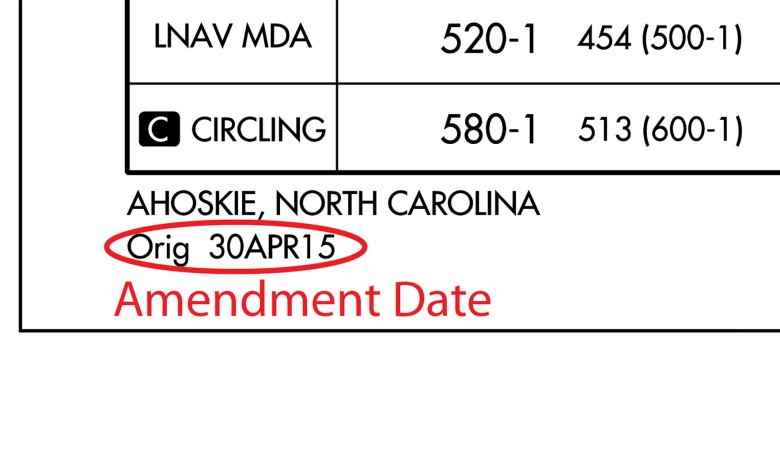
After selecting a specific approach, reviewing the other approaches might provide useful information. For example, until recently one Runway 16R approach at Reno/Tahoe (KRNO) had the note: Caution: intensive glider activity between PYRAM and WARMM up to 12,000. Seven other approaches transit the same area but offer no such warning.

Read More »

A Change of Seasons

The most immediate change that meteorologists and pilots see in the weather pattern is an increase in the tropospheric flow across the United States and southern Canada at all levels. This starts in earnest in September and continues through October. Temperatures decrease rapidly in the polar regions as fall progresses, dramatically strengthening temperature contrasts between high latitudes and the tropics. This enhances the jet stream pattern and surface patterns alike. So across the board we see an increase in clear air and mechanical turbulence everywhere.

Read More »

Not Quite an ILS

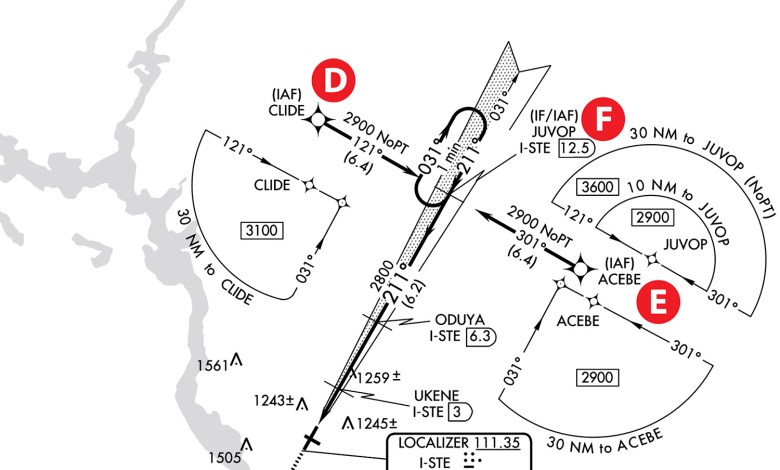
Among these procedures youll find a surprising variety of features. But here are the common threads: The LDA is made up of a localizer transmitting a course signal with the expected beam width of three to six degrees, but it will be offset by as much as 30 degrees, even when advertised with a specific runway.

Read More »

Flying Classes for Pilots

To call Richard Dog Brenneman seasoned is like calling the Taj Mahal a nice building or the Mississippi River a little stream. Dog Brenneman was a career U.S. Air Force pilot who cut his teeth as a Vietnam-era F-4 jock. Unfortunately, during that conflict, enemy fire provided him a lengthy stay in the POW wing of the Hanoi Hilton where, he said, the room service sucked and management didnt care.

Read More »

EAA AirVenture, Replacing Aftermarket ECI Cylinders, General Aviation Accidents Decreasing

The FAA issued its final rule in August on a controversial airworthiness directive requiring the replacement of aftermarket ECI cylinders in 6200 Continental aircraft engines. It took 13 years from start to finish, but in July the SolarImpulse team succeeded in its quest to fly a solar-powered aircraft around the world. It may not be the worlds sleekest or most beautiful aircraft, but the Airlander 10 is unique, and in July it left its hangar and flew for the first time. The number of general aviation accidents decreased in 2015 compared to the year before, continuing a recent trend, according to the 25th Joseph T. Nall Report by AOPAs Air Safety Institute.

Read More »
Pilot in aircraft
Sign-up for newsletters & special offers!

Get the latest stories & special offers delivered directly to your inbox.

SUBSCRIBE