IFR Magazine

Download the Full October 2016 Issue PDF

In fact, since many pilots learned to do things with canned checklists from the very beginning, they go about things following rote instructions rather than practicing a higher level of understanding and cockpit resource management. Later on, this can make training for advanced aircraft more challenging, since pilots must then adapt to the other methods well discuss below. Note that were not talking about eliminating checklists insofar as written guidance to structure your operations.

Read More »

Readback: October 2016

The minimum vectoring altitude near my home drome is about 3000 feet MSL because of our distance from the radar site. Thats higher than the 2000-foot crossing at the FAFs so we always get cleared for a full approach. However, our ADS-B reception is currently around 1000 feet MSL/700 AGL. After 2020, when the traffic picture is nearly full via ADS-B and closer to the ground, do you foresee MVAs being lowered in areas that have been limited primarily by poor radar coverage?

Read More »

Deflated Ego

A few months back I admitted here that Id not flown in a year, but was correcting that shortcoming. My ego told me I was a retired airline pilot with many thousands of hours, who had been flying over 75 hours a month, so returning would be no big deal and Id easily do it. The editor in me considered the more responsible, conservative and methodical approach I would espouse in writing. Fortunately, the more conservative path won out.

Read More »

Change Your Checklist

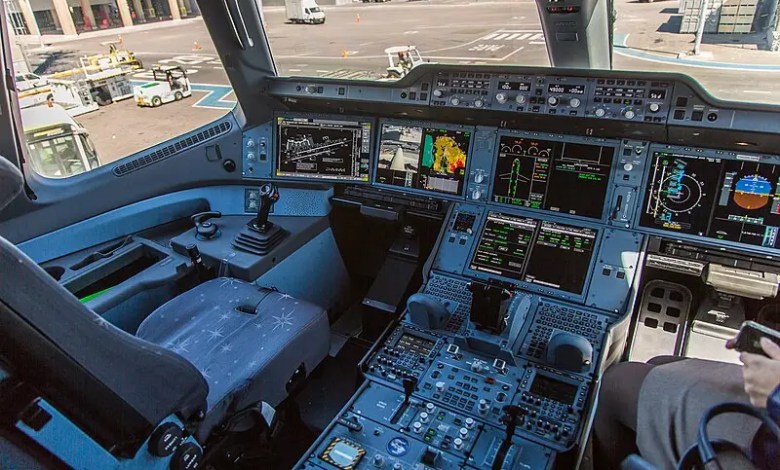
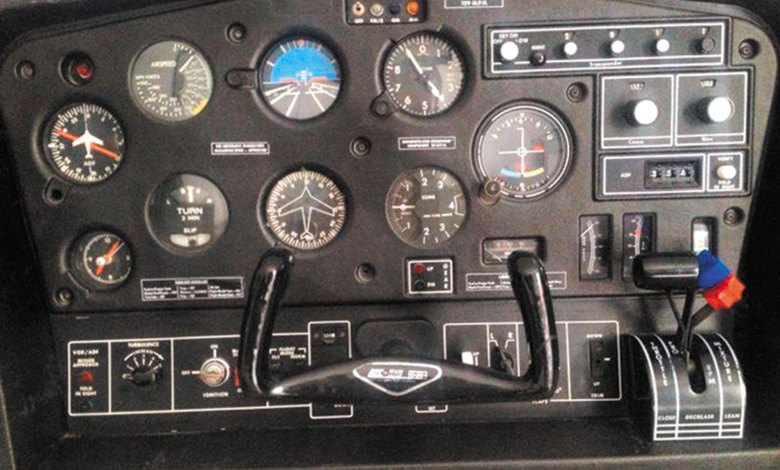
Checklists get taken for granted-settle into your seat in the cockpit, pull out the booklet or laminated cards, turn to the Before Engine Start page and start following the steps. Fire up the engine(s) and proceed down to After Engine Start and Before Taxi. Sound familiar? For most flying under 14 CFR Part 91, this read-then-do routine is the norm all the way to Parking and Securing. While many pilots with a fair amount of experience-particularly those with their own aircraft-will often go a step beyond and make their own checklists, there are far more efficient methods to get things done on time and in the proper order.

Read More »

Download the Full September 2016 Issue PDF

As I progressively increased my use of the Mooney and Bonanzas, the process of safely using the airplanes for virtually all of my domestic transportation followed a more organized safety management process. Cutting to the chase, in the 52 years I have been flying I have not had an accident, incident or serious occurrence where the outcome of the flight was in doubt. I also accomplished my transportation objectives more than 95 percent of the time. Im no superman and only an average stick, so what are my secrets? Pilots will all approach this differently, but I believe the factors highlighted in the sidebar on page 5 were most responsible for this record.

Read More »

Standard Charting and Non-Standard Approaches

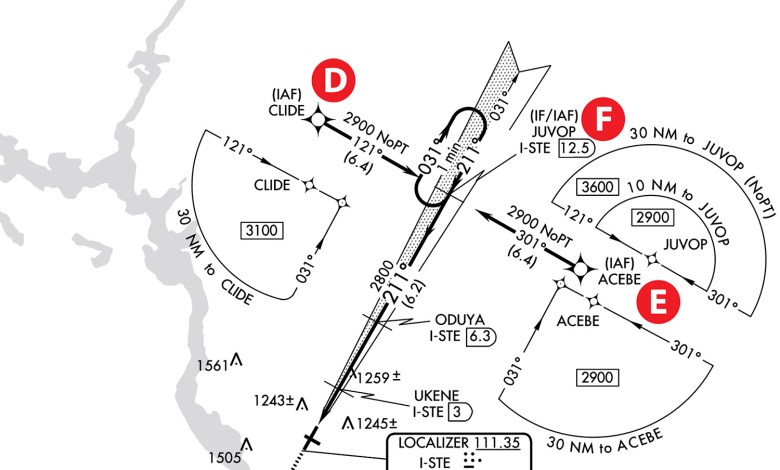
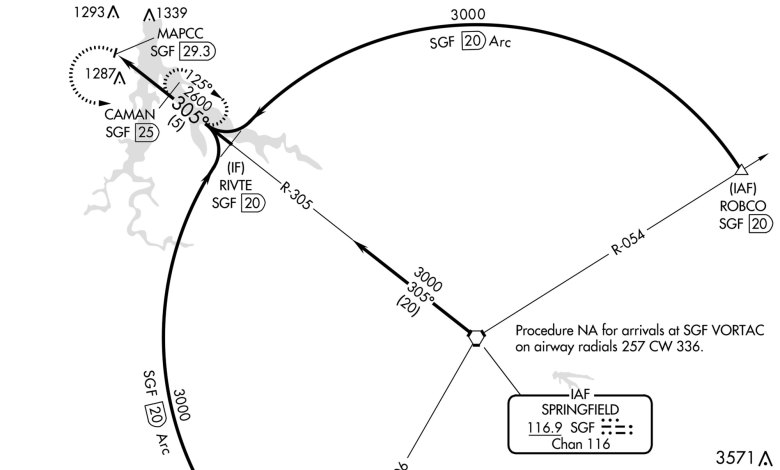
I dont know where the KEGE localizer resides, or how wide it is, but the chart shows it brings you aligned with Runway 25. The approach starts high and requires several step-downs, so youll need DME off the localizer, or IFR GPS equivalent. (As an aside, you cant substitute even WAAS GPS for lateral guidance on this approach. You must fly the localizer needle by regulation.) This LDA is unusual in that it has a glideslope like an ILS, which optionally gives you an extra 300 feet of descent-but requires an extra half-mile of visibility. More on that in a moment.

Read More »

On the Air: September 2016

As I was progressing down the GPS 9 approach into Ramona Airport last February I heard the following:Cessna Training Flight: Ramona Tower, ah, on this time around could you, ah flash us?Female Tower Controller with hooting laughter in the background: You want me to do what?Cessna Training Flight: Oh gosh, sorry, no I mean with the light gun. Yes, sorry with light gun signals for landing.

Read More »

Reader Feedback: September 2016

I found the reader question and your response about squawking standby in the May issue interesting because Mode S transponders and especially ADS-B Out configurations have SBY/ALT positions when a GPS position is received rather than ON/ALT without a GPS position. At least that is how my Avidyne IFD540/AXP340 system works. The transponder powers up in SBY mode and automatically switches to ALT mode during the takeoff run. Perhaps Im wrong, but my understanding is that the SBY position has a different transmission profile for Mode S than the ALT mode and that is reflected in what ATC sees.

Read More »

You Need an Electronic Flight Bag

The AC defines an EFB as an electronic display system intended mainly for cabin or cockpit use. To that end, an EFB can display aviation data such as charts and make basic calculations such as time, fuel and distance calculations. An EFB can also include other databases, perhaps FARs, or additional applications such as crosswind, weight-and-balance and holding calculators.

Read More »

Using Standard Operating Procedures in General Aviation

Some users of the National Airspace System live by Standard Operating Procedures (SOPs), and some do not. This is arguably the most significant difference between air carriers and general aviation when it comes to training, testing, and cockpit cultures. This is also, by some measures, a factor in accounting for the differences in accident rates. General aviation, particularly the single-pilot, personal-flying kind, relies not on the use of SOPs, but basic personal minimums for aeronautical decision making.

Read More »
Pilot in aircraft
Sign-up for newsletters & special offers!

Get the latest stories & special offers delivered directly to your inbox.

SUBSCRIBE