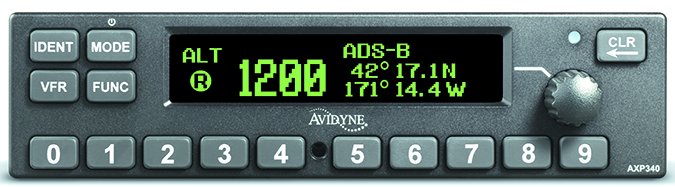
I found the reader question and your response about squawking standby in the May issue interesting because Mode S transponders and especially ADS-B Out configurations have SBY/ALT positions when a GPS position is received rather than ON/ALT without a GPS position. At least that is how my Avidyne IFD540/AXP340 system works. The transponder powers up in SBY mode and automatically switches to ALT mode during the takeoff run. Perhaps Im wrong, but my understanding is that the SBY position has a different transmission profile for Mode S than the ALT mode and that is reflected in what ATC sees.
Transponder modes (SBY, ALT, GND) and their behavior with Mode S/ADS-B systems vary by manufacturer, with current regulations requiring transponders to squawk ALT in the surface movement area.
The Aviation Safety Reporting System (ASRS) offers protection for unintentional errors but does not grant immunity for deliberate violations of regulations.
Air Traffic Control (ATC) communication in high-volume, complex airspace, such as JFK, often employs a direct and assertive style, which, while potentially perceived as abrasive, is considered essential for maintaining safety and efficiency.
Understanding back course localizer indications is better achieved by comprehending how instruments function rather than relying on the potentially confusing concept of "reverse sensing."
I only realized after reading my published article, “DA Versus MDA” in the June issue, that Master CFI and DPE, Larry Bothe’s name got munged. I checked my original copy and, well, the error was on my end and I assume it’s a result of unbridled autocorrect.
My apologies to Mr. Bothe.
CREATE A FREE ACCOUNT
Sign up to keep reading
Create a free account to continue. Already a member? Sign in below.