IFR Magazine

Download the Full November 2016 Issue PDF

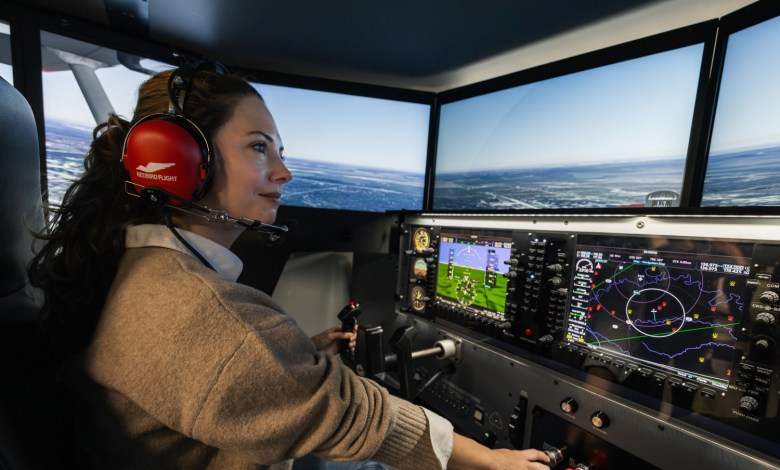
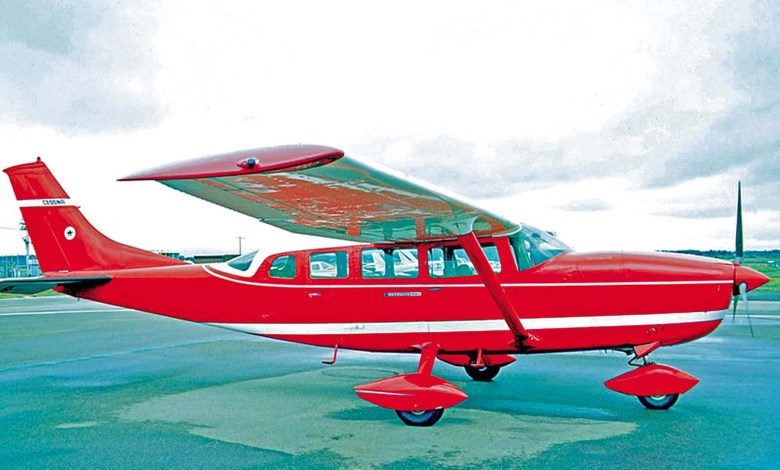
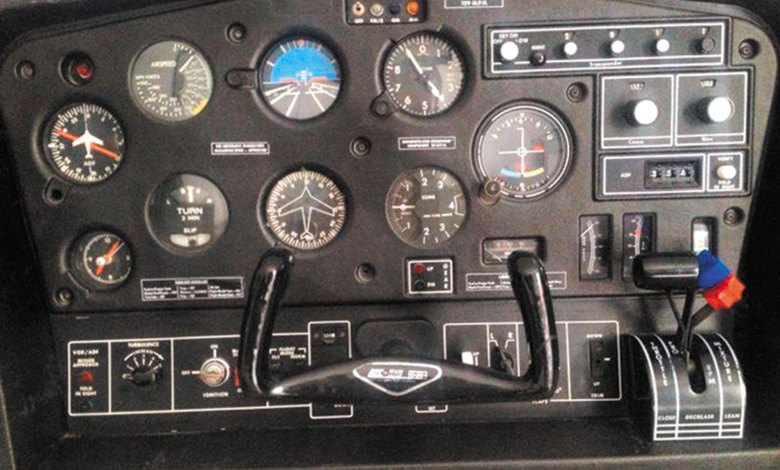
If your aircraft model has a type club or owners organization, you may want to join and participate in their training programs and related activities. Many of the name-brand types are well-served by these programs, and their graduates often come away with new and safer insights on how to operate their aircraft. If your aircraft has unusual handling characteristics-or if you just want to be able to take full advantage of its performance-obtaining specialized instruction from an instructor or training center with experience in that model should be a no-brainer.

Read More »

IFR Briefing: November 2016

Air traffic controllers need better training to effectively assist aircraft in distress, the NTSB said in a safety-recommendation report released in September. In September, the FAA began offering a $500 rebate to aircraft owners who upgrade to ADS-B-capable avionics. New FAA rules that became effective in August make it easier for operators to secure a commercial drone certificate, and its expected their numbers will quickly outpace manned-aircraft pilots. NTSB staffers who investigated the ditching of USAir 1549 in the Hudson River in 2009 say the Hollywood movie about the event, Sully, portrays them in an inaccurate and unfair light.

Read More »

On the Air: November 2016

I was on an IFR flight taking my daughter out to visit another daughter at Indiana University. Everything was operating normally, as I began preparing for the approach 20 minutes out. As I am working with the charts and calculations I could feel my daughters eyes watching me.

Read More »

Reader Feedback: November 2016

In the June issue, a reader had a question regarding the TERPZ FIVE departure at BWI. Your response in a lost com scenario was that you should climb to TERPZ at 11,000 then climb to your filed altitude after 10 minutes. I disagree. In the regs, 91.185 offers clear altitude guidance in a lost com situation. It is simply the highest of 3 altitudes-the altitude in your clearance, the altitude you were told to expect, and the highest IFR altitude. No mention is made about waiting for 10 minutes nor about a filed altitude.

Read More »

Sully-a Hero?

Its been a long time since I provided any primary flight training. But as I recall, once it appears that the student will, in fact, stick with the training long enough to attempt solo flight and hopefully go on to obtain their private pilot certification, we start teaching them in earnest how to handle a power failure. Then, power failures remain an important part of our training for most of the rest of our flying careers.

Read More »

Reducing the Ruckus

Airports are usually born in the lesser-populated outskirts of their namesake town. Over time, they often find themselves enveloped by suburbs and industry. This close contact inevitably leads to tension, as city populations and aviation traffic demands grow in parallel, spurring a need to reign in the noise. Noise abatement often begins with good neighbor policies-typically voluntary, common-sense practices designed to assuage the locals.

Read More »

Lower Won’t Work

While we usually train by flying right to minimums and then frequently flying the missed, how often in our actual flying do we miss and do it again, or divert to an alternate? How often do we get caught by surprise when the ceiling were expecting to break out of is lower than we thought (or lower than we need)? For those of us operating under 14 CFR Part 91, how often do we consider or actually find ourselves pushing the looser legal limits of landing under IFR?

Read More »

Seeing Double

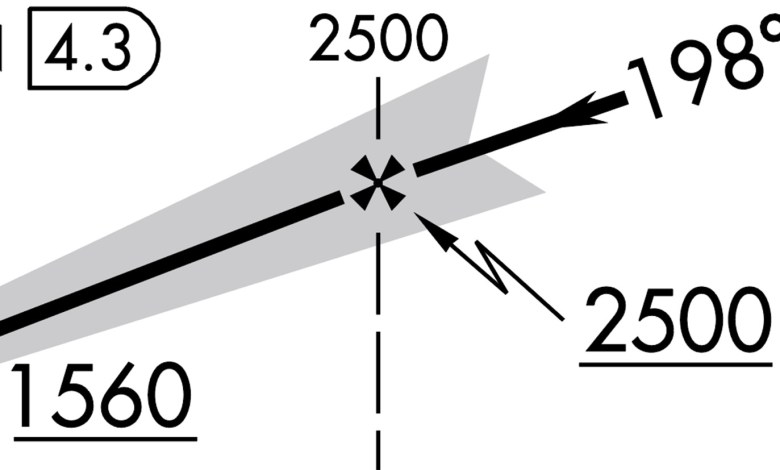
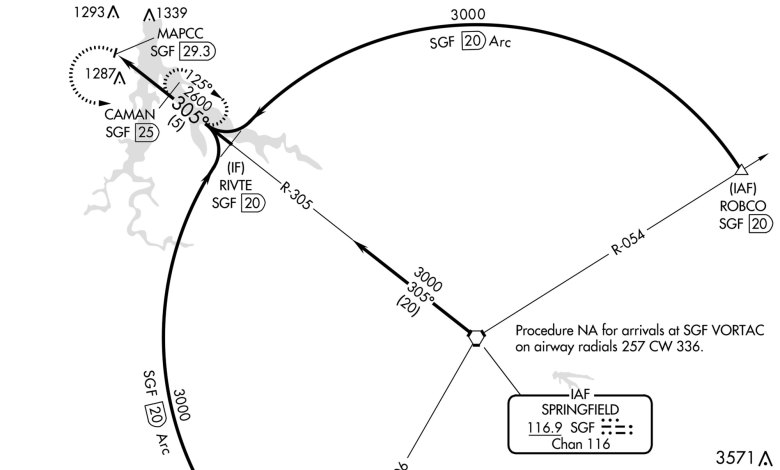
Instrument flight is a game of single degrees, so it should get your attention when numbers dont match. Were used to this when flying VOR radials with GPS. The magnetic declination of the VOR is infrequently updated, while GPS calculates it exactly from the latest data and the current location. This can be disconcerting on a VOR approach where the GPS youre using for situational awareness (or, the actual approach, now that you can) shows a course several degrees off from the chart.

Read More »

Frankenstein Flight Approach

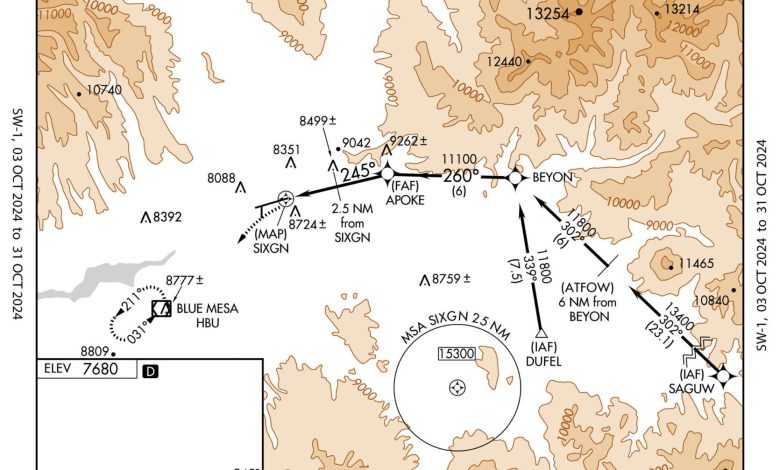
The RNAV (GPS) approach makes this a non-issue for pilots with GPS. This approach uses the Terminal Arrival Area (TAA) concept centered on TOPSY. Any arrival on a bearing to TOPSY from 326 degrees counterclockwise to 145 degrees simply crosses TOPSY at 2000 feet and continues inbound. In most of that area they can descend to 2000 feet 30 miles out, with a small segment over the Atlantic at 2100 feet. Cant be terrain out there; must be airspace.

Read More »

Good Pilot Decision Making

Validating ADM, the AC cites a study where student pilots who received ADM training made 10-50 percent fewer judgment errors than untrained students. This is why the new Airman Certification Standards incorporate a risk management component into every task to promote learning and applying risk management during flight training. Yet learning ADM is challenging in part because much FAA documentation is, frankly, poorly organized and excessively wordy.

Read More »
Pilot in aircraft
Sign-up for newsletters & special offers!

Get the latest stories & special offers delivered directly to your inbox.

SUBSCRIBE