













Register

Black-Hole Approach

For the last few years, my home airport has been a private, paved and lighted strip in a rural area. The pilot-controlled lighting is non-standard, however. For one, the systems intensity is relatively weak. For another, there seem to be fewer runway lights than at most other airports Ive used. And the light fixtures themselves seem located farther from the pavement than Im accustomed. Often, there are few other ground lights in the area to help provide perspective at night. The runway does not have a rotating beacon, only a dimly lit windsock that may or may not tell the truth. There are few obstructions in the area above a couple of hundred feet, although theres a tall tower about five miles north.

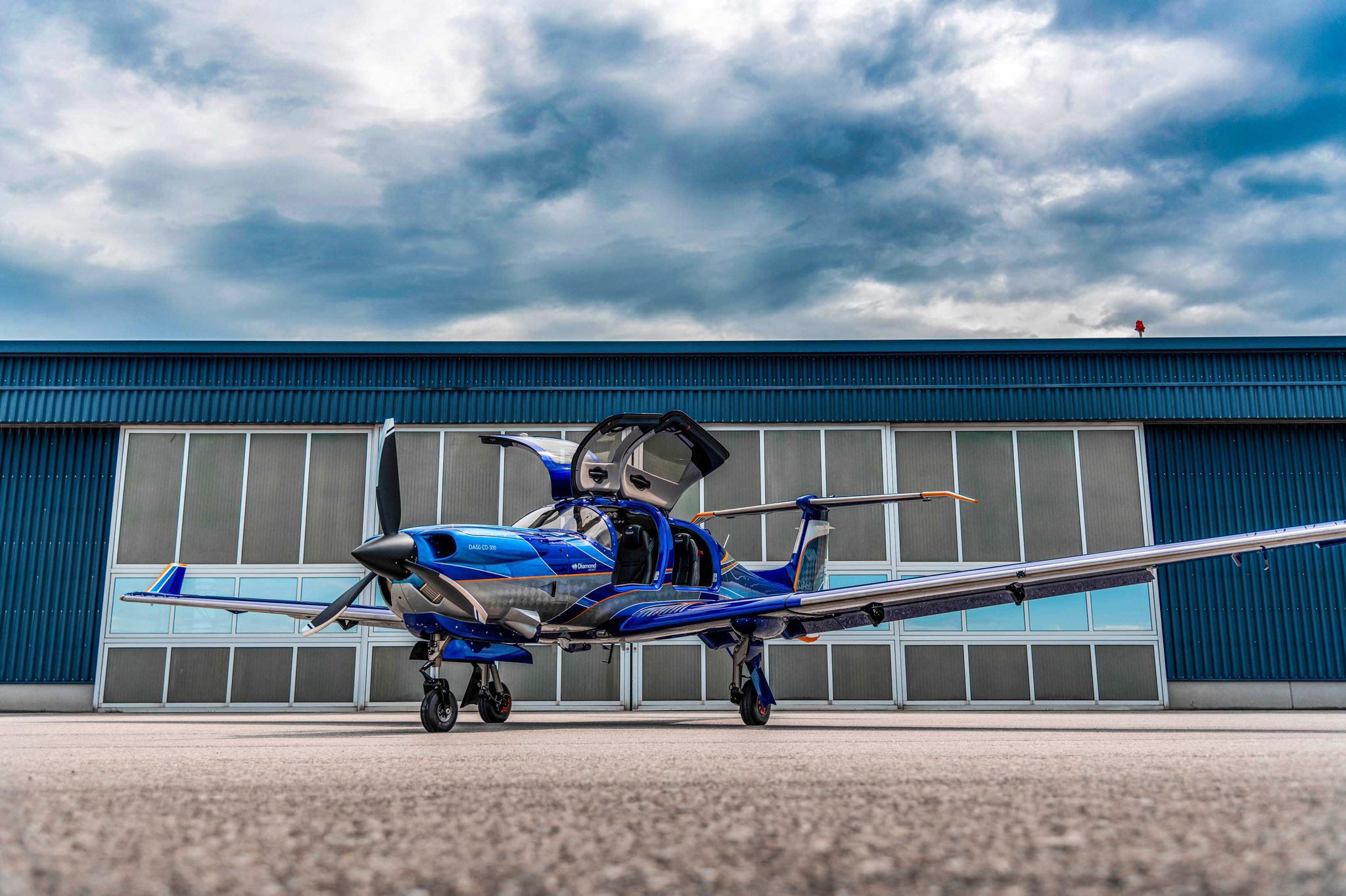
The paint scheme on the DA50 RG was created from a design competition—the winning design by Kirk Smith. Courtesy Diamond Aircraft
Gemini Sparkle

Key Takeaways:

  • Black-hole approaches are characterized by dim, non-standard runway lighting and a lack of surrounding ground illumination, creating an optical illusion where pilots perceive themselves to be higher than actual, leading to dangerous premature descents.
  • An accident involving an experienced crew highlighted the severe risks, where a Beech 65-A90-1 crashed during a night landing in black-hole conditions, resulting in fatalities.
  • The NTSB attributed the accident to an unstable approach, lack of crew monitoring, and failure to use the visual glidepath indicator (PAPI), underscoring the dangers of complacency even for familiar airports.
See a mistake? Contact us.

For the last few years, my home airport has been a private, paved and lighted strip in a rural area. The pilot-controlled lighting is non-standard, however. For one, the system’s intensity is relatively weak. For another, there seem to be fewer runway lights than at most other airports I’ve used. And the light fixtures themselves seem located farther from the pavement than I’m accustomed. Often, there are few other ground lights in the area to help provide perspective at night. The runway does not have a rotating beacon, only a dimly lit windsock that may or may not tell the truth. There are few obstructions in the area above a couple of hundred feet, although there’s a tall tower about five miles north.

I’ve flown in there at night several times and I’ll do it again several more times. But I don’t like it. The combination of dim, non-standard lighting and the lack of nearby ground illumination—what the NTSB calls cultural lighting—pretty much defines the so-called black-hole approach, the kind where depth perception suffers from lack of detail, especially when there are few peripheral details. The human eye just isn’t all that good at night. More light and more lighted objects to help with depth perception are better.


Ready to Sell Your Aircraft?

List your airplane on AircraftForSale.com and reach qualified buyers.

List Your Aircraft
AircraftForSale Logo | FLYING Logo
Pilot in aircraft
Sign-up for newsletters & special offers!

Get the latest stories & special offers delivered directly to your inbox.

SUBSCRIBE