Aviation Safety

Weather Accident Types and Trends

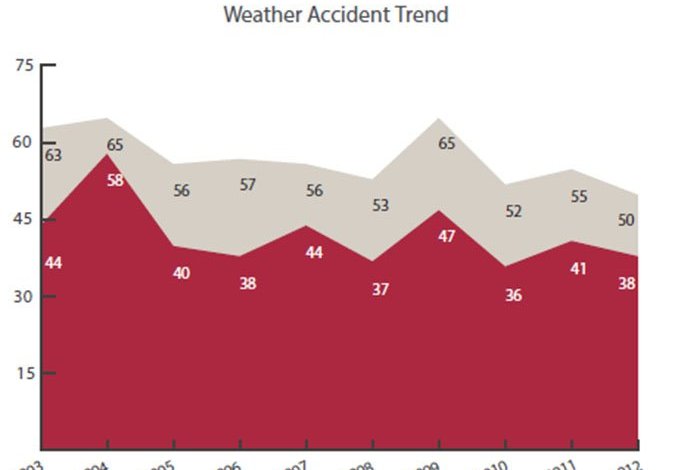
Weather-related accidents have always been a big issue for general aviation. Their number has not been declining appreciably, as demonstrated by the graph at right, adapted from the most-recent AOPA Air Safety Institute’s 24th Joseph T. Nall Report, which discusses general aviation accidents in 2012. During the eight-year period from 2005-2012, the number of fatal […]

Read More »

Air-Cooled Engines

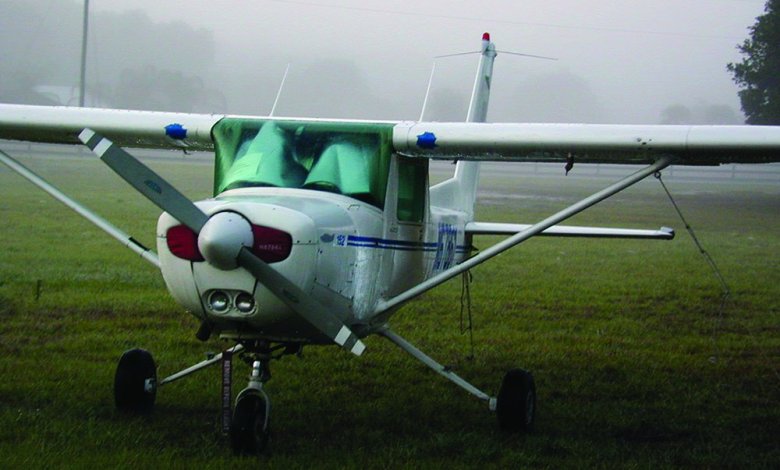
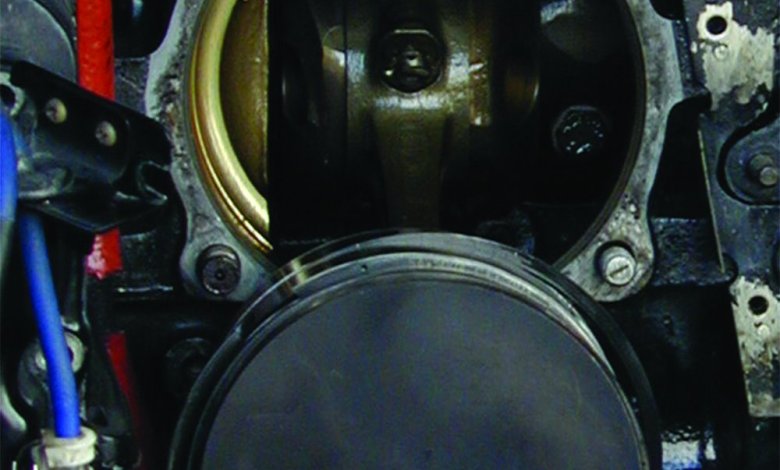
The engines powering the vast majority of personal airplanes are air-cooled. This means they dont have a radiator and a liquid-based system like most automobiles we might drive to the airport. Yes, piston powerplants like those in the Rotax line, as well as many diesel engines designed for aircraft, are liquid cooled. But these more modern designs are in a distinct minority. In fact, besides the metallurgy, the basic configuration of aircraft piston engines has changed little since before World War II: Flat, horizontally opposed or radial designs from that era predominate.

Read More »

Which IFR Emergencies Should We Practice?

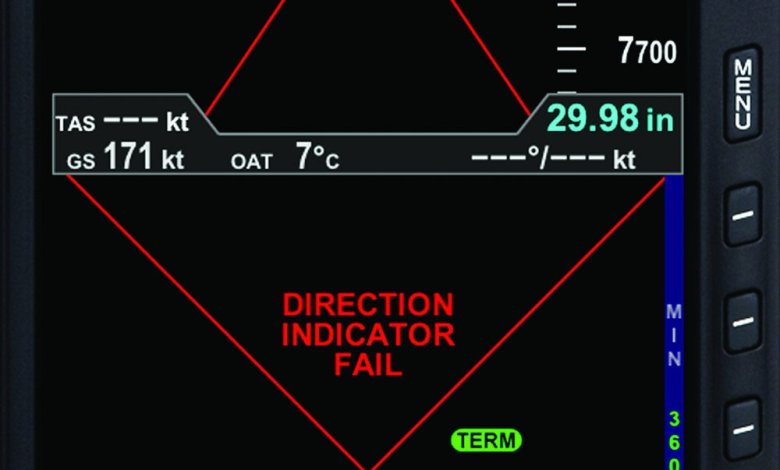
By the time someone is sent for the instrument check ride, he or she is expected to know the emergency procedures in the appropriate POH as well as how to deal with failures affecting the airplanes ability to fly in IMC. A cross-section of the bad news stuff is discussed during the oral portion of the practical test and demonstrated in flight. But whats a little frightening is that the IFR check ride often marks the high point of an instrument pilots ability to deal with an emergency.

Read More »

Common Emergencies

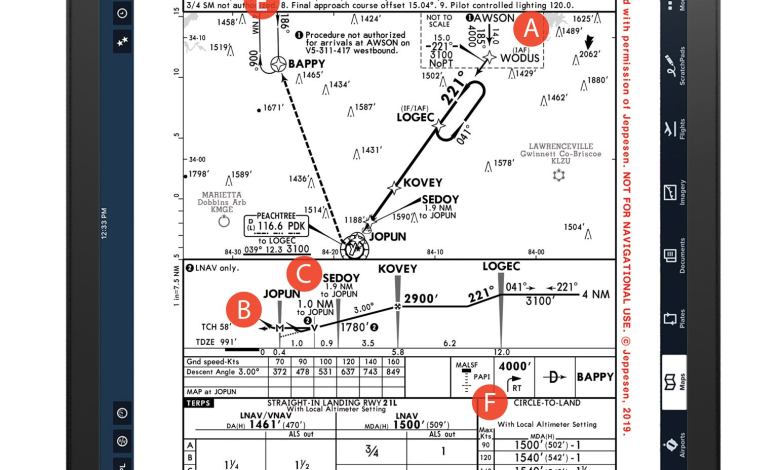
When deciding which IFR emergencies to practice, it can be instructive to look at the overall accident record. Not only can we get an idea of which failures to practice, but also of their lethality. The good news is its uncommon for mechanical failures to result in fatalities, and the trend is for fewer of them. And theres better news well get to in a moment. …

Read More »

Flaps or Gear First?

Depending on what youre flying, its manufacturer may have placed specific go-around recommendations in the POH/AFM. If so, its always a good idea to follow them and conform to the listed sequence of actions. Going around can be a busy time, and scrounging around for the balked-landing checklist is a no-no. You should have the appropriate sequence of actions memorized from your previous landing-practice sessions. …

Read More »

Snow on the Runway

Snow that has persisted on the ground for a long time will form crusted layers from wind packing, melting and refreezing. Often the base layer and areas between the crusted layers are hollow. This happens when lighter, fluffy snow consolidates into more dense grain structures. These larger grains, referred to as depth hoar, result from water vapor depositing or desublimating onto existing snow crystals. Granular depth hoar acts like a layer of ball bearings beneath the sheet of frozen crust. Backcountry skiers know this is the stuff avalanches are made of. For pilots, the crusts have a similar catastrophic effect of catching gear or skis resulting in airplanes getting stuck, or worse, getting flipped.

Read More »

Create Your Own Prevention Strategy

You may already be certificated and not engaged in the training system. You can, however, successfully avoid being a VFR into IMC statistic. The key to safe operation is using effective risk management and tailoring your operations to your (realistic) capabilities and those of your aircraft: [IMGCAP(1)] – If instrument rated and your aircraft is suitably equipped, plan to file IFR when the weather is marginal. Dont be tempted to scud run when theres a safer and…

Read More »

Landing Re-Dos: Things to Think About

There you are, on short final to a nearby airports runway, hoping to get to the fly-in breakfast before the sausages get too old. Youve made your position reports on the CTAF throughout the pattern, the landing checklist is complete, the airplane is configured for landing and youve nailed the airspeed. All youre waiting for as you glide down to the runway is raising the nose for the flare and the final power reduction. Theres no reason to expect this wont be one of your better landings. Until that airplane thats been sitting in the run-up area decides to taxi onto your runway, turn its back to you and begin accelerating for its takeoff roll. Its time to go around. What will you do?

Read More »

Pilot Bill of Rights, Control Riding and Dealing with Drones

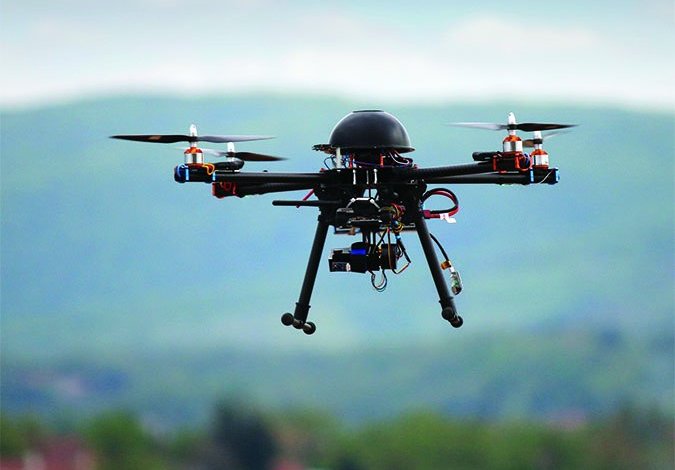
The Air Line Pilots Association (ALPA) on June 23, 2015, wrote U.S. Senators saying it is fundamentally opposed to the dangerous policy shift proposed by the Pilots Bill of Rights II (PBOR2). Reader Martin Brookes writes that every instructor he has flown with couldnt resist adding their control input on landing via subtle, unannounced control inputs to help the student. This is an unfortunately common practice, sometimes called control riding. While its easy to bash the FAA efforts to regulate drones, its important to note Congress in 2012 told the agency to come up with a regulatory scheme allowing UAS operations in the national airspace.

Read More »

Lessons Relearned: Emergency Aircraft Landing

My wife and I planned a flight to the San Francisco area to attend our eldest granddaughters college graduation. On the morning of departure, I obtained a standard briefing indicating beautiful VFR for the entire flight. We headed to the airport, preflighted the aircraft and loaded our luggage. A smooth takeoff run was followed by a crisp climbout in the cool morning air to our cruising altitude of 9500 feet.

Read More »
Pilot in aircraft
Sign-up for newsletters & special offers!

Get the latest stories & special offers delivered directly to your inbox.

SUBSCRIBE