













Register

Snow on the Runway

Snow that has persisted on the ground for a long time will form crusted layers from wind packing, melting and refreezing. Often the base layer and areas between the crusted layers are hollow. This happens when lighter, fluffy snow consolidates into more dense grain structures. These larger grains, referred to as depth hoar, result from water vapor depositing or desublimating onto existing snow crystals. Granular depth hoar acts like a layer of ball bearings beneath the sheet of frozen crust. Backcountry skiers know this is the stuff avalanches are made of. For pilots, the crusts have a similar catastrophic effect of catching gear or skis resulting in airplanes getting stuck, or worse, getting flipped.

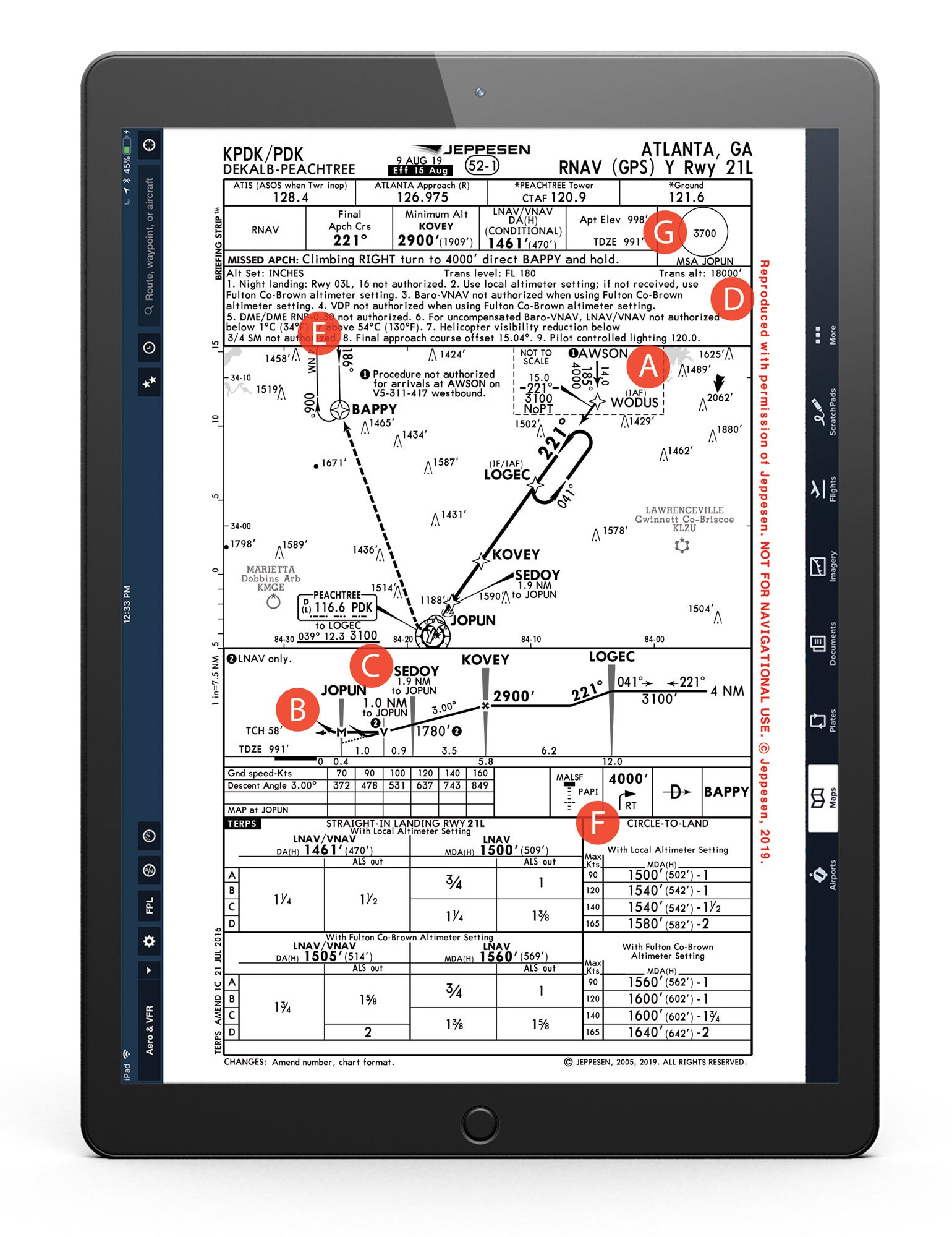
The RNAV (GPS) Y Runway 21 approach into Atlanta's DeKalb-Peachtree airport. Jeppesen
Gemini Sparkle

Key Takeaways:

  • Pilots, regardless of location, must understand snow's diverse forms and evolving characteristics, as it significantly impacts aircraft operations, risk management, and poses hidden dangers on the ground.
  • Snow on the ground evolves through weather cycles, creating hazardous conditions like hardened crusts, slush, or depth hoar, which can severely impair aircraft performance or damage landing gear.
  • Effective snow and ice removal at airports is critical for safety, but pilots must exercise extreme caution, thoroughly assess runway conditions, and be prepared to abort takeoffs or divert landings when encountering snow-contaminated surfaces.
See a mistake? Contact us.

Winter has arrived, especially here in the northern latitudes where the snow season is upon us. Y’all living in the south may not have a lot of experience with the stuff. And you may not think you need it. But knowing a bit about snow is a good idea for most of us, if only because a few hours in an airplane easily can transport us from sunny and dry 70-degree comfort to the hidden dangers of the Great White North.

Spend a few moments thinking about it, and you might share my view that snow is a fascinating substance. For example, it can come down in super light flakes with little moisture content, or it can splatter down in a wet slush. Once on the ground, it can it can gently curl away from a dry runway in wisps carried by wing vortices or form hardened berms and crusts capable of shearing off main landing gear and flipping planes on their backs. If nothing else, it’s a good idea for pilots to reflect on which kinds of snow we might encounter, and how it can influence aircraft operations and risk management.


Ready to Sell Your Aircraft?

List your airplane on AircraftForSale.com and reach qualified buyers.

List Your Aircraft
AircraftForSale Logo | FLYING Logo
Pilot in aircraft
Sign-up for newsletters & special offers!

Get the latest stories & special offers delivered directly to your inbox.

SUBSCRIBE