Aviation Safety

The Standard Warning

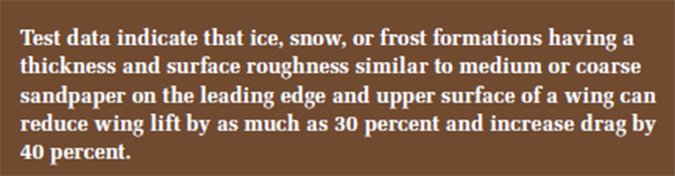
Stop us if youve heard this before: [IMGCAP(1)] This or similar statements appear in training manuals, articles, presentations and even in the FAAs bank of written-test questions. Its said so often that the original source is obscure. I tracked an early reference back to a 1982 FAA Advisory Circular, AC 20-117, Hazards Following Ground Deicing and Ground Operations in Conditions Conducive to Icing, which references regulations established by the Civil Aeronautics Board in 1950. While I hunted…

Read More »

Your Missing Air Traffic

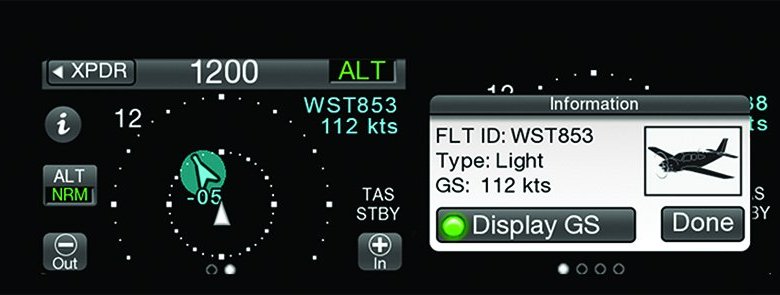
Its not much of a stretch to say that in-cockpit traffic detection technology has never been more prevalent or popular than it is today. From the Boeings and Airbuses required to have a certified TCAS aboard, to the guy or gal banging around in a Cub on a lazy summer afternoon and using the traffic information from ADS-B, its likely some kind of in-cockpit traffic detection technology is available. Theres only one real problem with all of these technologies: theres no way they detect all potential traffic, although some see a more complete traffic picture than others. From that one problem, however, flow two others. The first is the false sense of security even a top-of-the-line system can provide. The second is the extra workload-and especially the additional head-down time-to which pilots are susceptible as they watch the traffic display and not the sky outside the aircraft. But even the best traffic detection and alerting system wont see an aircraft without a transponder, and the traffic information provided via ADS-B has its own set of considerations, which are summarized in the sidebar on the opposite page. Lets take a look at why all this is true.


Read More »

The Perils Of Forward CG

Anyone whos made it through primary training knows the importance of determining an airplanes weight and balance. From that training, we know there are real limitations on how much it can carry and where that weight-whether in fuel, cargo or passengers-can be. We also know a lighter airplane performs better than a heavy one, and that weight concentrated near the fore or aft limits can affect aircraft performance.

Read More »

Forward Center of Gravity

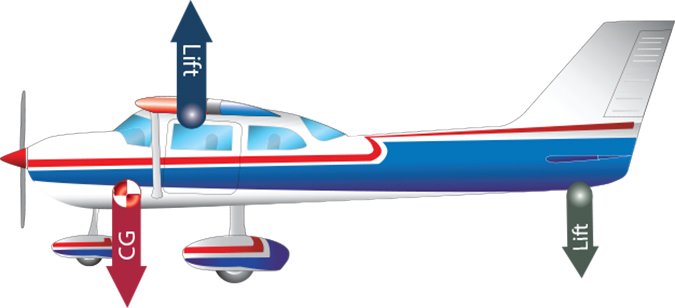
Figures 1 and 2 depict the same airplane with a forward center of gravity and one in which the CG is further aft, closer to the center of lift. The CG acts on the airplane via the red arrow while lift—shown here opposing CG, actually works at a right angle to the relative wind. In […]

Read More »

Weight Force & the Lift Equation

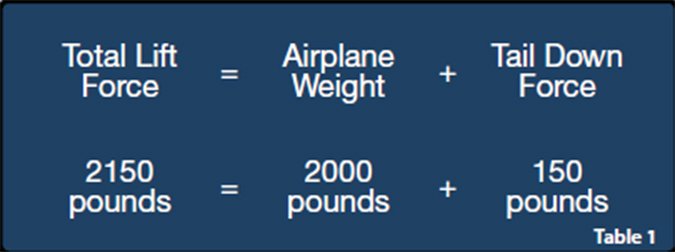
If the airplane’s weight force increases to 2150 lbs as described in the main text, then to maintain altitude and straight-and-level flight, the total lift force generated by the wings must increase proportionately using the equation in Table 1, at right. According to the lift equation, assuming wing area cannot be increased in flight (e.g., […]

Read More »

Privatize ATC?

Decades ago, when commercial air transportation was first, umm, getting off the ground, it soon became apparent some way to sort and separate the growing amount of traffic was necessary to keep them from swapping paint. The first steps toward a modern air traffic control system were taken before WWII, and the U.S. government quickly began spending money, erecting navigational aids, creating airways and developing procedures to ensure the steady demand for more air travel would not be impeded.

Read More »

More Laws And Sausages

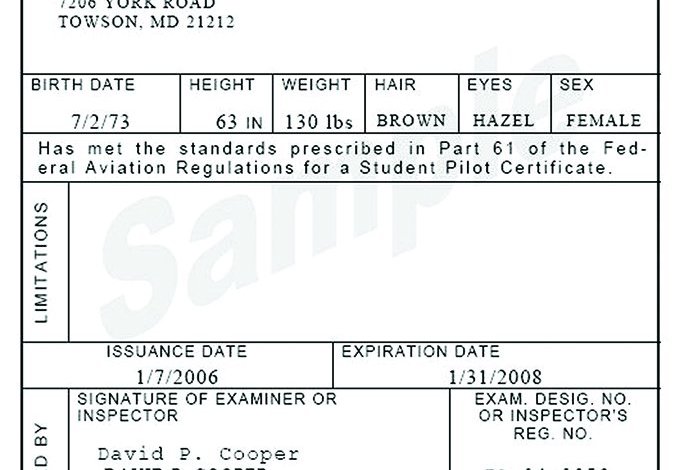
Along with most pilots, I have been following the battle to eliminate third class medicals for private pilots under certain circumstances. I have asked myself, what benefits this might offer to the aviation community, and the general public? The AOPA has been an advocate for these changes, stating it is an excessive cost and burden to pilots! Some have suggested that this will help increase the decreasing number of pilots. Is this really the direction we want to go? One might make an argument in the opposite direction, that older pilots need more medical supervision.

Read More »

NTSB Reports: January 2016

A pilot reported hearing a Mayday call from another airplane, stating that the engine had failed and he was attempting to land on the east side of a canal. No further communications were received from the accident airplanes pilot.

Read More »

Aircraft Engine Oil Checks

This months accident easily could have resulted from perhaps the most insidious preflight challenges: interruptions. Being interrupted in the middle of, say, refueling or checking the engine oil can have severe consequences. The trick for me always has been to start over after the interruption is resolved. If this means leaving passengers in the FBO lobby until Im ready, or missing a clearance void time, so be it. If it means answers to a passengers questions must be postponed, thats okay, too. Interruptions during a preflight inspection are insidious because they allow us to consider a task complete when it isnt. Well never know if an interruption during the preflight inspection helped cause this months accident, but its as good an explanation as any.

Read More »

Continued VFR Into IMC

Continued VFR into IMC accidents have been part of the general aviation accident scene since before I started flying more than 50 years ago. Some headway in reducing these accidents was made when private pilot applicants were required to demonstrate basic instrument proficiency beginning in the early 1960s. Cockpit technology has also improved, with even basic training aircraft equipped for instrument flight and devices such as autopilots and weather data link becoming more prevalent. On the other hand, there is a much higher percentage of high performance aircraft in the general aviation fleet than 50 years ago, and more non-instrument-rated pilots are flying longer distances in higher performance aircraft. As a result, the prevalence of VFR-into-IMC accidents is still very high.

Read More »
Pilot in aircraft
Sign-up for newsletters & special offers!

Get the latest stories & special offers delivered directly to your inbox.

SUBSCRIBE