Aviation Safety

The Worst Case

I always try to ask myself before each takeoff, Whats going to try to kill me on this flight? Its a fair question to ask, and one that deserves a considered response, at least to yourself. The trick is theres usually more than one answer.
Read More »

Fuel Enough

Two months after gaining my private ticket, my friend asked if I could take him and his son from Michigan to New Hampshire, where he would leave his son to visit his grandparents for two weeks. No problem, I said, looking forward to my first long cross-country.

Read More »

Endurance And Gouges

It seems to me that power pilots seeking best endurance should avoid using an autopilot. I understand that autopilots operate elevators rather than the throttle. I’ve often wondered why one might slow their plane in sink, using up elevator, and spend more time there.

Read More »

March 2016 NTSB Reports

At 1945 Eastern time, the airplane experienced a total loss of engine power, was force-landed on a road and struck a telephone pole with the left wing. The commercial pilot and the passenger were both seriously injured. Visual conditions existed.

Read More »

When Aircraft Fuel Runs Out

With the engine still running and sputtering, we were getting closer to the airport. With about 10.5 hours of dual under my belt, I was not frightened for some reason, assuming we would disembark and swim if it came to ditching.

Read More »

Aircraft Alternator Trouble

Alternator (p/n ASG120003RX) failed to charge during cross-country flight. Alternator cooling fan came apart in flight. Front engine charging system was intermittent, then constant alternator inoperative light was observed. The right engine locked up in flight, going into feather, and could not be restarted.

Read More »

Aircraft Engine Induction Systems

From the beginning of our primary training, we learn how to check our airplanes fuel quantity and quality, and how to position various controls to ensure the engine starts and stays running. We know we can turn the fuel off and on, and perhaps select from which tank the engine will draw, but what happens after that often is a mystery. Whats going on between the fuel selector valve and the engine?

Read More »

Less Power for More Aircraft Range

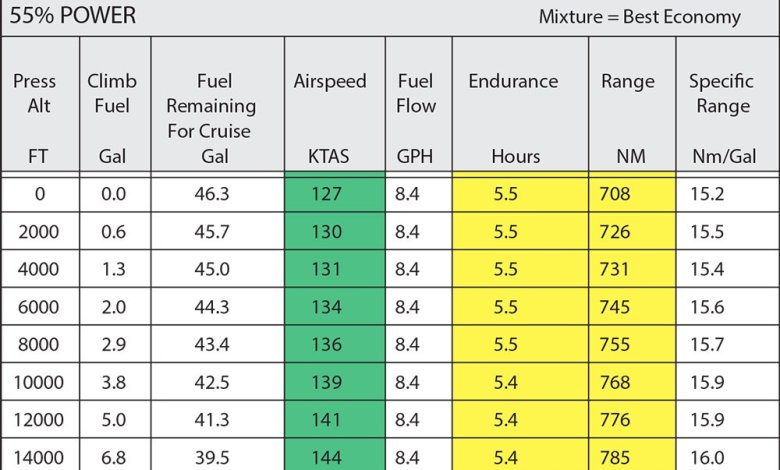
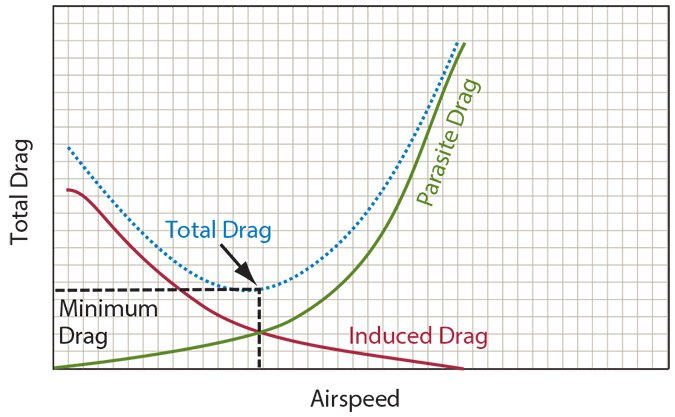
What if getting to B by burning as little fuel as possible is our objective? Or we want to stay aloft as long as possible? There are speeds to fly to achieve those goals, but well have to slow down, usually a lot. And those exact speeds, for best range and for best endurance, usually arent published for personal airplanes. A workaround is to simply use the lowest book power setting. If no limitations prevent it, best range or endurance usually is found at even lower power.

Read More »

The Cost of Procedural Noncompliance

The safety consequences associated with procedural noncompliance-failing to correctly perform normal checklists-have become hot button issues within the business aviation community and the NTSB. All general aviation pilots should heed the warnings raised.

Read More »

Planning Plan B

Most of us who travel from small airport to smaller airport recognize the importance of weather and fuel requirements, but the alternatives available is often neglected in our training. Instead, were focused on getting a weather briefing and knowing things like runway lengths, ATC frequencies and whether the destination has a restaurant. Too often, we learn the hard way that services at the small airports closest to our ultimate destination may not be available when we need them most.

Read More »
Pilot in aircraft
Sign-up for newsletters & special offers!

Get the latest stories & special offers delivered directly to your inbox.

SUBSCRIBE