Aviation Safety

Stop Scaring Your Passengers

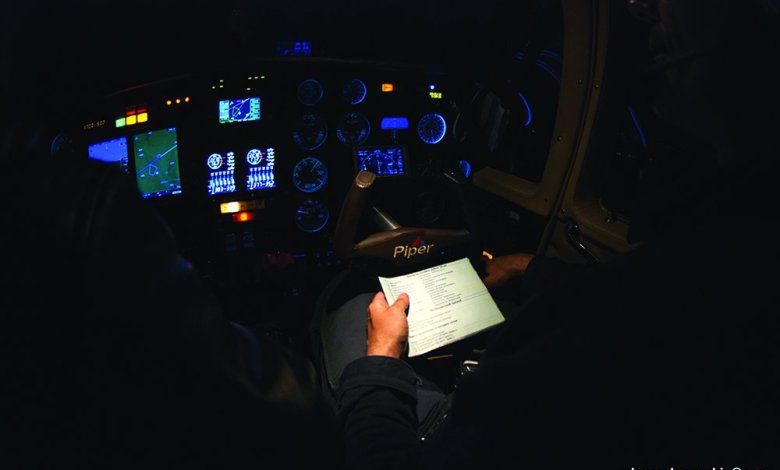
One of the more common complaints heard when pilots gather is that someones spouse and kids wont fly with them or dont like flying in little airplanes. The person issuing the lament insists he (its almost invariably he) cant figure out why. Often the reason is he has scared the bejabbers out of his family members at least once and has displayed absolute cluelessness when it comes to making the flight an enjoyable experience.

Read More »

Weather Decisions

A large number of non-pilot passengers have told me they don’t like flying in clouds. They want to be able to see the world outside the window. If you are going to be in actual instrument conditions, say so ahead of time and give a brief explanation about what to expect. I’ve had some pilot […]

Read More »

Minimum Equipment

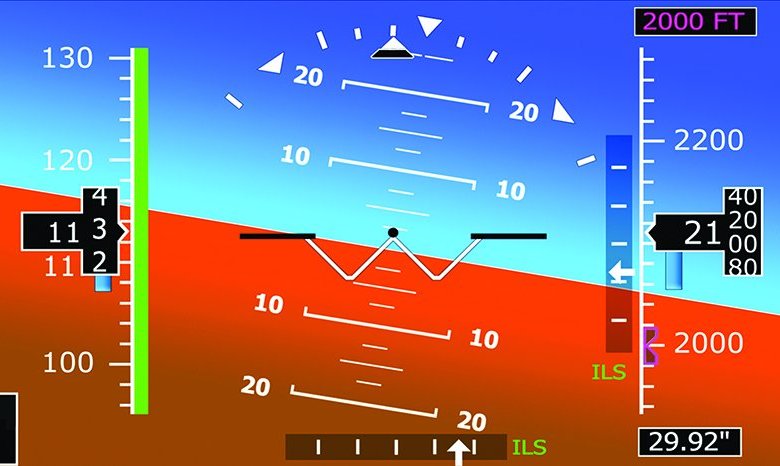
Until the 1990s, when backup options became widely available for personal aircraft, a vacuum system failure in instrument conditions was an extreme emergency. These days it still is, but electric backup instruments are relatively inexpensive and easy to install.

Read More »

Business Aviation Responds

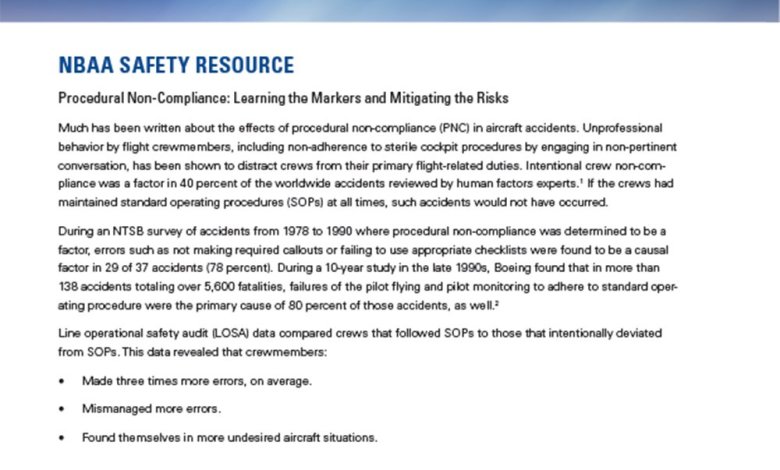
To its credit, the business aviation community has risen to meet the challenge of procedural noncompliance. I serve on the National Business Aviation Association’s (NBAA) Safety Committee and for 2015, procedural non-compliance is one of the committee’s top safety priorities. I should point out that procedural noncompliance (PNC) is also on the NTSB’s 2015 Most […]

Read More »

Glideslope Gouges

A gouge really is nothing more than a clever saying-east is least, west is best-or a rule intended to remind us of something we already know. One thing about memory gouges is theres virtually no end to them. Another thing, ironically, is we tend to forget them. With that in mind, heres a quick refresher on a gouge designed to help us fly a glideslope.

Read More »

The Indie ATC

Key officials introduced legislation in Congress that would establish an independent, not-for-profit corporation to modernize and operate ATC in the U.S. The federally chartered ATC corporation would be governed by a board representing the aviation systems users and the public interest. Many major U.S. airlines applauded the bills.

Read More »

Airmanship: Legal VS. Safe

I hope it wont come as a shock to learn magazine editors dont always practice what they preach. Kind of like fat-cat politicians urging austerity for the proletariat, we arent always as prolific in our flying as we may seem, or as we encourage others. In fact, over the last couple of years, competing and conflicting priorities conspired to keep me and my airplane on the ground much more than was good for either of us.

Read More »

Gears, Flaps, and the Pilot’s Bill of Rights 2

I take issue with the suggestion that it is generally a good idea to retract the landing gear before retracting the flaps to a mid/approach setting. There are a lot of pilots who are going to find that getting medical clearance to fly will be harder, not easier, under this proposed law. My fear is that the process will be foisted back on AMEs without liability protections nor the ability to order tests to verify fitness without a patient/physician relationship.

Read More »

NTSB Reports

At about 1950 Mountain time, the airplane was substantially damaged during a forced landing following a loss of engine power. The commercial pilot and his passenger were not injured. Night visual conditions prevailed. While en route, the pilot determined adequate fuel to complete the flight as planned was not aboard. The right fuel tank apparently failed to feed the engine. While preparing to land, the engine lost power. The pilot performed a forced landing to a field, during which the airplane nosed over and came to rest inverted.

Read More »

5 Reasons To Fire Your CFI-I

When its time for the instrument rating-the thinking rating-the instructors obligation ratchets up a few notches. An instrument-rated pilot is potentially going to be flying in high-risk environments-night IMC, ice, thunderstorms, approaches to a mere 200 feet above the unforgiving ground-with high workloads and in complex airspace. The instrument instructor must take a VFR pilot-who may have a casual attitude about checklists, systems, weather and risk analysis-and teach some respect for those subjects. He or she must impart the knowledge and skill needed to stay upright in awful weather, plus develop the savvy needed to think so far ahead of the airplane that the pilot is ready for whatever nature, ATC or system failures deal out.

Read More »
Pilot in aircraft
Sign-up for newsletters & special offers!

Get the latest stories & special offers delivered directly to your inbox.

SUBSCRIBE