Aviation Safety

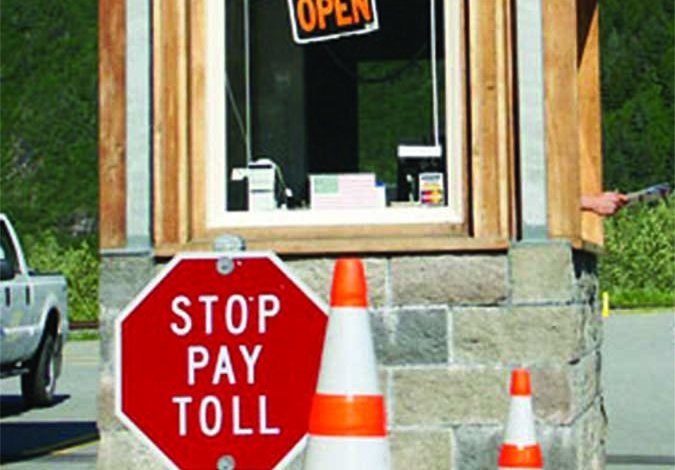
For Whom The Toll Bills

The existing excise taxes on aviation fuels work just fine. They account for system use more efficiently than a toll/user fee arrangement, they dont require a new, unaccountable bureaucracy and theres no separate bill I have to pay. (We all pay similar taxes on fuels we put in our vehicles, too, which used to cover roadways, bridges and tunnels now laden with tolls, but I digress.)
Read More »

Where The Drones Are II

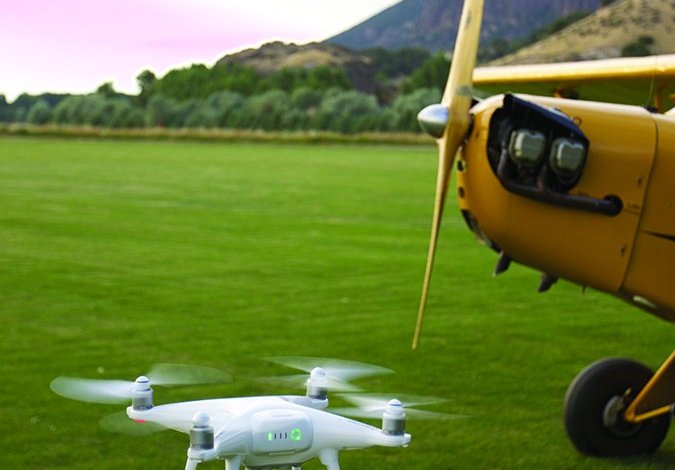
Octobers article, Where the Drones Are, has no place in Aviation Safety. The very tone of it offends my safety senses honed over 59 years of private, commercial and military flying. Think about where they are. Then dont go there. Silly. The entire article belongs in a Drones Today magazine.

Read More »

NTSB Reports: November 2016

The pilot later related he was in cruise climb at about 8500 feet msl when he noticed something in his peripheral vision, then felt a thud as something struck the airplane. There was no loss of control or abnormal control feel, so he continued the flight and landed uneventfully. Upon landing, about 12 inches of the airplanes vertical stabilizer was missing; there also was substantial damage to the rudder. Initial examination showed no evidence of organic material. A detailed examination by the NTSB is pending.

Read More »

Too Much Automation?

Theres no question in my mind that a good autopilot system tends to dull a pilot to what the airplane is doing and what it may be telling him or her. Im fortunate to have a really good one in my traveling airplane and use it most of the time when Im in cruising flight. It will fly a heading, follow a magenta line, climb/descend to a preset altitude at a rate of my choosing and shoot coupled ILS or GPS approaches.

Read More »

Manufacturer Mandates

Readers likely are familiar with the role product liability plays in general aviations history. It shares responsibility for the industrys collapse in the 1980s and it wasnt until federal legislation was enacted-the General Aviation Revitalization Act of 1994, which limited manufacturer liability-that some piston-engine airplane production was restarted. Separately, patterns were identified involving accidents of specific aircraft types, and addressing them became another way to minimize the risk of successful liability claims.

Read More »

Not At Night

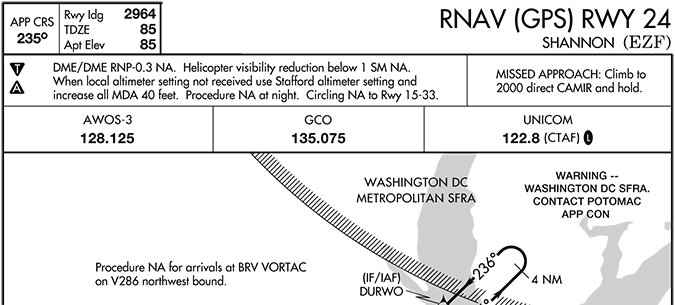
One of the first things instrument pilots learn during their training to fly approaches is reading the fine print, the various notes that may accompany a published procedure. Its a classic case of the large print holding great promise while the small print dashes any lingering hopes. Perhaps most ubiquitous is the NoPT admonition that a procedure turn is not authorized when flying to the final approach fix on certain segments.

Read More »

Impaired Flying Targeted

According to the FAA and its Civil Aerospace Medical Institute, CAMI, between six and 14 percent of pilot fatalities are related to alcohol intoxication. While that seems like a very high number of pilots in our experience-and a wide, inexact statistical range-the agency said it reached its conclusion by analyzing deceased pilots blood and tissue samples after accidents.

Read More »

Fuel Burned

In the spring of 1984, I was 23 and a new pilot, with barely 120 hours. While planning a trip that would include my wife and another couple, I called the FBO to ask about the amount of fuel burn on the Piper Warrior I had rented for the flight. I was advised the Warrior burns eight gph in cruise at 9500 feet msl and, with that information, I completed my flight planning and we all met at the airport.

Read More »

Download the Full November 2016 Issue PDF

If your aircraft model has a type club or owners organization, you may want to join and participate in their training programs and related activities. Many of the name-brand types are well-served by these programs, and their graduates often come away with new and safer insights on how to operate their aircraft. If your aircraft has unusual handling characteristics-or if you just want to be able to take full advantage of its performance-obtaining specialized instruction from an instructor or training center with experience in that model should be a no-brainer.

Read More »

Where The Drones Are

I want to thank you for writing a balanced and fair assessment about the threat of drones to aviation (Where The Drones Are, October 2016). Your article is perhaps the first rational discussion related to the dangers of these little plastic radio-control models. I have been a pilot for the past 22 years, and owned a Cessna 172 for the past 12 years. I would certainly hate to hit one of these things.

Read More »
Pilot in aircraft
Sign-up for newsletters & special offers!

Get the latest stories & special offers delivered directly to your inbox.

SUBSCRIBE