Aviation Safety

Mean Mr. Mustard

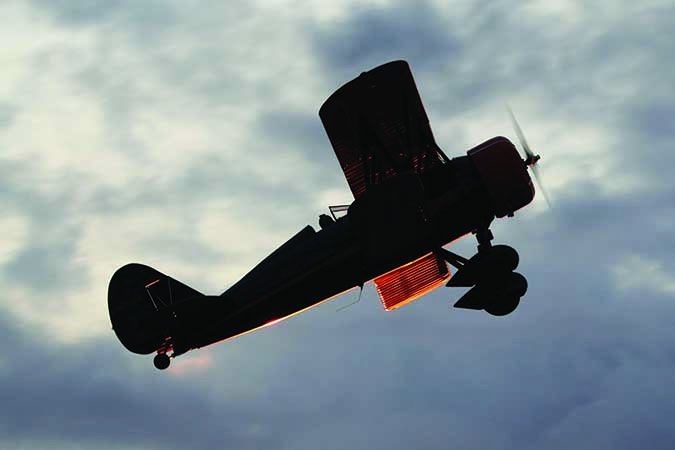
I had settled in for the hour-long flight and was dividing my attention between scanning instruments, looking for traffic and enjoying the view when I heard a distinct “pop. Any unusual sound while flying my Comanche gets my attention right away, so I looked around trying to figure out where the noise came from. All instrument indications were nominal and even with my heightened sense of awareness, I could find nothing. So on I went, telling myself it could have been my imagination.
Read More »

NTSB Reports: December 2016

Except for the main wreckage area, there was no noticeable damage to the fields corn stalks. The cockpit, engine cowling and a majority of the fuselage were consumed by fire, although the wings and empennage were mostly intact. Witnesses reported hearing the engine sputtering, and then heard a thud and saw a fireball. They did not observe the airplane in the air.

Read More »

Cloak Of Invincibility

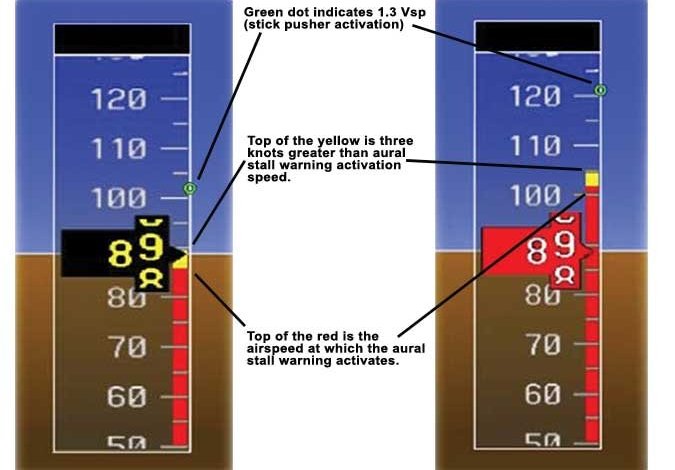
the left airspeed tape simulates the pilot’s chosen configuration while the right one depicts what the pilot would have seen with de-icing equipment engaged.”

Read More »

When The Earth Moves

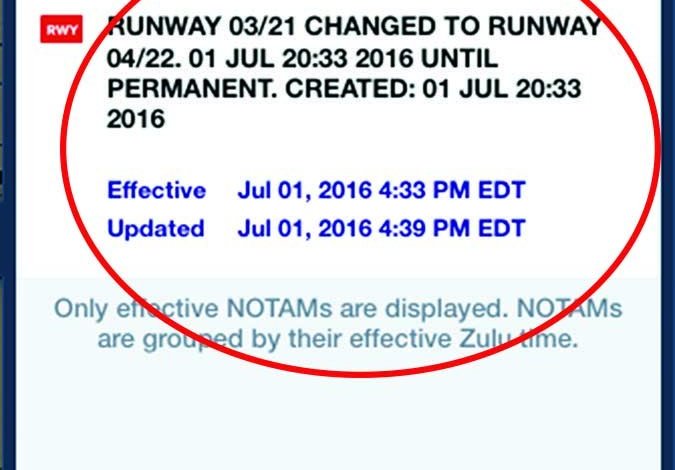
Everyone aboard the Beech Model 17 Staggerwing in which I was a passenger had been to the Driggs, Idaho, airport (KDIJ) dozens of times, perhaps even hundreds. Driggs Reed Memorial Airport is one of the more scenic airports in the country, much less Idaho. But as we approached, we could tell something was amiss. The pattern was busier than usual, and we heard a call for Runway 22. All three of us knew with confidence that Driggs single runway is laid out 03-21, but a second and third plane called in approaching the same, seemingly wrong runway.

Read More »

Mismanaging Flight Energy

Loss of control in-flight (LOC-I) has become the safety issue du jour, and justifiably so. According to the NTSB, between 2001 and 2011, over 40 percent of fatal fixed-wing GA accidents occurred because pilots lost control of their airplanes. Takeoff and climb, landing and maneuvering are regarded to be the flight phases in which pilots are most susceptible to LOC-I,

Read More »

Aircraft Engine Cylinder Failures

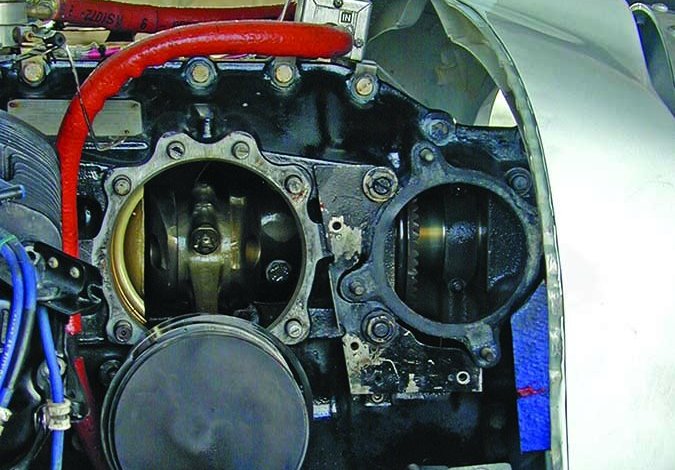
Most of us fly aircraft powered by piston engines, a basic technology dating back to the late 19th century. Meanwhile, the modern air-cooled aircraft piston engines basic configurations hasnt changed since before WWII. Given the power output for their weight and fuel consumption, theres no better solution. But hundreds of metal parts going through thousands of heat cycles year after year eventually find a way to break.

Read More »

Getting Out Of Here

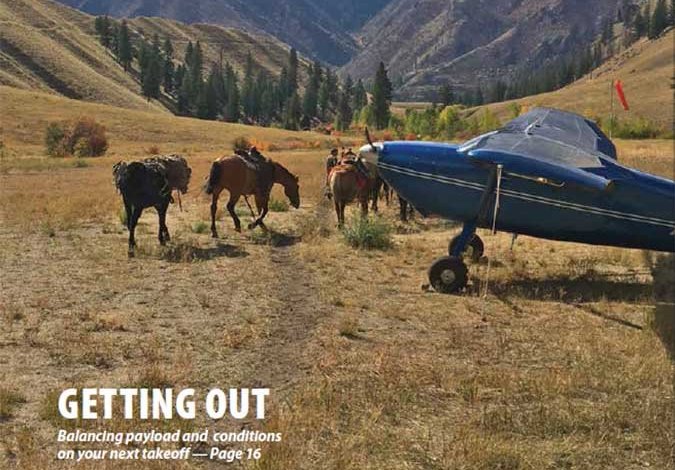
I get kind of worked up when Im unsure. Last year, I hauled a load out of a backcountry strip (Sulphur Creek, Idaho, ID74) that included a 320-pound elk, my brother and me, plus all our gear for eight days in my Cessna 180. Field elevation was 5835 feet, and I remember that the takeoff used up a lot of the 3300-foot runway. I went through the numbers over and over before I left and when we got home, I confirmed the loading cargo put us right at gross weight on takeoff.

Read More »

Pitot-Static System Failures

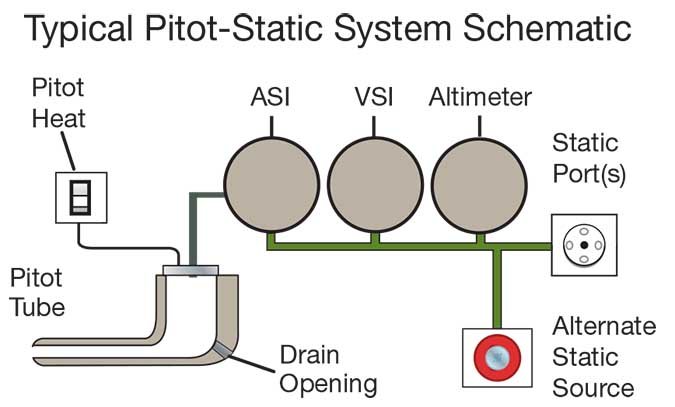
The Boeing 727-200, operating as Northwest Airlines Flight 6231, departed John F. Kennedy International Airport in New York, N.Y., at about 1926 Eastern time on December 1, 1974. A ferry flight with only crew aboard, the 727s destination was Buffalo, N.Y., a great-circle distance of 261 nm. After takeoff, the aircraft climbed to 13,500 feet msl and leveled off for about 50 seconds, accelerating from 264 knots to 304 knots.

Read More »

Solid Red Means Hold

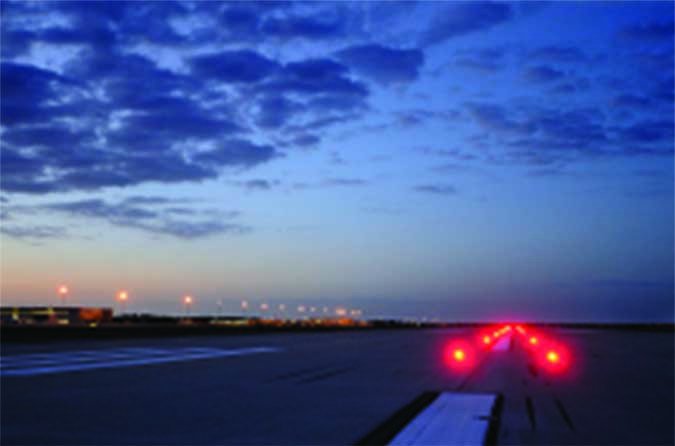
The latest in the FAAs efforts to prevent runway incursions goes into effect at the San Francisco (Calif.) International Airport (SFO) November 30. It takes the form of the Runway Status Lights (RWSL) program, an automated series of red lights embedded in taxiways that enter runways and in the departure end of runways themselves. The lights warn pilots of high-speed aircraft or vehicles on runways, according to the agency.

Read More »

Download the Full December 2016 Issue PDF

Most modern comm radios can tune frequencies with 8.33 kHz channel spacing, which currently is required only in high altitude airspace in Europe (Code Y). It would not be necessary to indicate that in the U.S. Further, Im not sure we can file a performance-based navigation (PBN) code as they require FAA approval. The closet reference is AC 90-100A-maybe someone can interpret this for Part 91 (non 91K) operations.

Read More »
Pilot in aircraft
Sign-up for newsletters & special offers!

Get the latest stories & special offers delivered directly to your inbox.

SUBSCRIBE