Aviation Safety

Setting The Narrative

Even though the fatality rate in 2015 was the lowest it has been in many years, 376 people still lost their lives, said NTSB Chairman Christopher A. Hart, which is why improving general aviation safety is on the NTSBs Most Wanted List of transportation safety improvements. While lower, these numbers are still too high said Hart. Thats a quote from a September 22, 2016, NTSB press release headlined, NTSB 2015 Aviation Statistics Show General Aviation Accidents Continue to Decline.


Read More »

Circuit Breakers

Pitot heat switch would not stay in the on position. On troubleshooting, the technician found circuit breaker/switch (p/n 35-38013263) to be at fault. AD 2008-13-17 had been completed 2427 flight hours prior. Recommend breaker manufacturer develop a more durable product or aircraft maker look for a different source for its circuit breakers.

Read More »

NTSB Reports: October 2016

The flight instructor set the airplane up for simulated engine failure by pulling out the carburetor heat control and reducing throttle to 1200 rpm. The student pilot followed emergency procedures, used the checklist and prepared to land. After the carburetor heat control was pushed back in and the throttle advanced, there was a sudden loss of power; efforts to restart the engine were unsuccessful. The airplane collided with the fence during the landing.

Read More »

Leaking Fuel Line

Once I started the engine and made it to the runup area, the Dynon D-180 registered about 10 gallons in the selected right tank (I have a Lycoming O-235-L2C engine installed and typically I burn about 5-6 gallons an hour). I thought it was peculiar, but I attributed the loss of five gallons to starting, taxi and runup. I took off and headed the 30 miles to my practice area.

Read More »

Aircraft Stalling: 3 Basic Kinds

Veteran pilots know better, because theyve learned that stalls are a normal part of flying, neither an aberration nor abnormal. They realize and understand stalls are simply what happens at the lowest end of an aircrafts normal flight envelope. Stalls when not wanted, not needed, at the wrong time, wrong place bend airplanes and break people. Which brings us to the first and most-important rule to remember about stalls: A stall can occur at any airspeed, in any attitude and at any power setting, from dead engine through full power.

Read More »

Preventing In-Flight Fires

While there are differing statistics regarding causes of aircraft fire-related accidents, it is safe to say that aircraft maintenance and pre-flight actions by the pilot play a significant role in most such events. And since the chances of surviving an in-flight fire without major injury or death are poor, preventing a fire from occurring in the first place should be Job One. Pilots can memorize procedures, talk about scenarios and what-ifs, but when it is all said and done, avoiding one starts on the ground.

Read More »

FAA Updates Wx Guidance

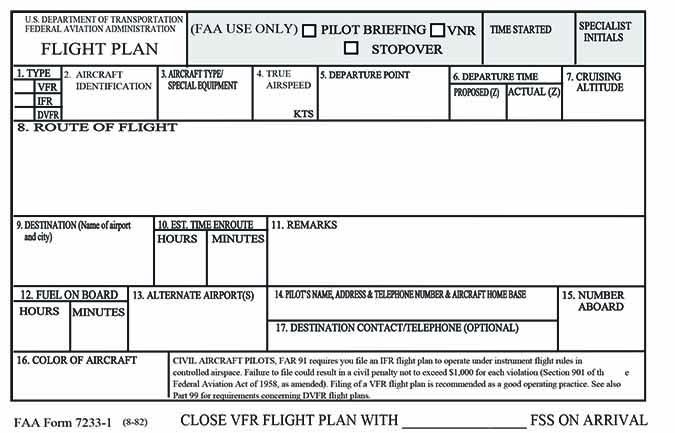
Weve previously reported on the FAAs plans to eliminate its very familiar flight plan form with one aligned with the Internal Civila Aviation Organization (ICAO) standards. The ICAO form is and has been required for international flights. Beginning in early 2017, it will be necessary for filing domestic flight plans, too, both IFR and VFR, as well as DVFR and for the Special Flight Rules Area (SFRA) surrounding Washington, D.C. The switchover was to occur earlier this year, then it was to go into effect on October 1.

Read More »

Where The Drones Are

Understanding how drones-in FAA parlance, an unmanned aircraft system (UAS) is sometimes called a drone-are used is the first step toward avoiding an unexpected and unwanted encounter. In its recently released Part 107 regulations on commercial use of UAS, the FAA focused on small UAS, craft weighing under 55 pounds. Given their numbers and popularity, this is the class of systems with which we should be most concerned.

Read More »

Off The Beaten Path

The controller finally was able to clear me to the locales minimum vectoring altitude (MVA-see the sidebar on the opposite page) of 1600 feet msl and soon I broke out of the stratus layer into good VMC underneath. I could see a few lights on the ground, but the runway was out of sight, behind me. Since I was still IFR and on a vector, I couldnt just go zooming around out here, looking for the airport, without canceling IFR. And I didnt want to cancel until I was relatively sure I didnt need it anymore.

Read More »

Missing Flight Plan

Depending on the controller and his/her workload, plus how professional you sound on the radio, ATC may offer to fix the problem immediately. A controller can prompt you for enough information to enter your plan into the system directly, without you needing to chase down someone else on the phone or another frequency to re-file. If you can do it with your cell-connected tablet and an EFB app, try it. Otherwise, youll have to figure out a way to contact Flight Service and file all over again. Of course, you can depart VFR instead of IFR. If the weather is good, thats an option, and you can raise Flight Service on the radio once youre airborne and file, then call ATC for the clearance.

Read More »
Pilot in aircraft
Sign-up for newsletters & special offers!

Get the latest stories & special offers delivered directly to your inbox.

SUBSCRIBE