Aviation Safety

When The Juice Drys Up

On the first occasion, I was on an IFR flight plan departing into an 800-foot ceiling on my way to a destination reporting clear skies. At some point, I would clear the fog layer covering the inversion and find those clear skies, I just didnt know exactly where the layer would burn off. On departure I passed through the 500-foot-thick layer and was soon in VMC on top. Tops were at roughly 6500 feet and I was cruising along at 8500 with nothing but blue skies above me and a flat layer of white tops 2000 feet below.
Read More »

iPads To The Pilot’s Rescue!

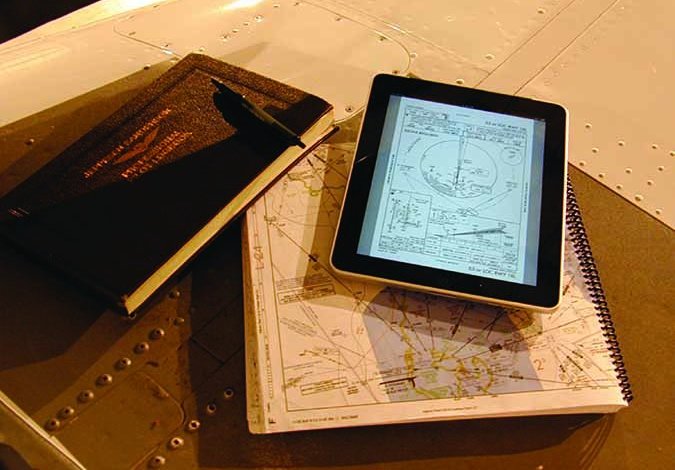
Back in August, AOPAs Air Safety Institute released the latest of its Nall Reports, an in-depth look at a years GA accidents. The newest Nall Report, the 25th, looked at 2013s accidents and found the rate of fatal GA accidents had dropped below one in 100,000 for the first time. Ever. Thats a big deal, especially if it turns out the next few years numbers are similar.

Read More »

Aircraft Mufflers

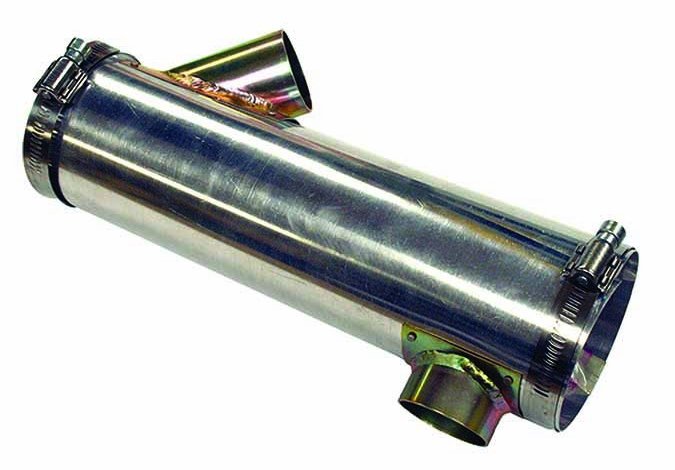
Pilot observed smoke in the cockpit, declared emergency and landed normally. Inspection of the right engine compartment revealed the mufflers aft wall was missing and exhaust was directed onto the battery box. Hot exhaust melted the battery and battery contactor, clock fuse holder, both battery cables and boots. The gascolator push/pull control knob was melted.

Read More »

Download the Full October 2016 Issue PDF

That was when I realized that my system had stopped charging. Not only was the weather collapsing, but the location I had just departed had limited maintenance options and expected severe thunderstorms with hail the following day. From my previous loss of electron flow, I knew I could do a great deal in this different airplanes cockpit to manage power consumption, plus I was flying steam gauges that didnt need electrons. Plus it was Mothers Day weekend, so continuing to a destination with known good weather required less decision making than finding an alternate airport with services.

Read More »

NTSB Reports: September 2016

At about 0900 Eastern time, the airplane was substantially damaged upon impacting an aircraft hangar following a total loss of engine power during a go-around. The flight instructor (CFI) and a student pilot received minor injuries. Visual conditions prevailed. The two had been practicing takeoffs and landings for about an hour when, on the downwind leg of the traffic pattern, the CFI directed the student to demonstrate a simulated engine failure. The airplane was about of the way down the runway when he initiated go-around. At this point, the engine sputtered and lost power. The CFI took over the flight controls and made a left turn at about 100 feet agl with the intent of flying over a hangar to a clear area beyond but realized they would not clear it. He placed the airplane in a 45-degree nose-up attitude so the engine penetrated the hangars metal door first.

Read More »

High And Dry

Have you encountered a situation or hazardous condition that yielded lessons on how to better manage the risks involved in flying? Do you have an experience to share with Aviation Safetys readers about an occasion that taught you something significant about ways to conduct safer flight operations? If so, we want to hear about it. We encourage you to submit a brief (500 words) write-up of your Learning Experience to Aviation Safety for possible publication. Each month, Aviation Safety publishes a collection of similar experiences sent to us by readers. Sharing with others the benefit of your experience and the lessons you learned can be an invaluable aid to other pilots.

Read More »

Carburetors

Engine lost power, causing aircraft to make an emergency landing, resulting in substantial damage. Investigation revealed microbial growth in the carburetor’s fuel bowl at the drain plug area, causing blockage at the fuel channel and subsequent loss of power. This could be avoided by removing the carburetor (p/n MA3) drain plug at specified intervals and draining any moisture that may accumulate in that area.

Read More »

50 Years a Pilot

As I write this, Im looking at my Wright Brothers Master Pilot Award sitting near the window sill. Its the most prestigious award the FAA issues to pilots, according to the agency, and eligibility for it requires a minimum of 50 years to elapse since a pilots first solo flight. I originally dismissed this award as an overblown creation of the FAA or, worse, an old geezers award for longevity. I finally decided it would be a great bookend for a lifetime of flying, or a beginning of the next chapter. For those of you out there with 50 continuous years of flying without accident, incident or violation-or if you know someone who meets the minimum requirements-you can find details of the award and how to apply on the FAA website.

Read More »

Bottom of the White

When transitioning between Earth and sky and back again, we fly at the lower end of the controlled-flight regime-as Goldilocks might say, Not too fast, not too slow, but just right. Pilots departing generally spend less time in the bottom range of their aircrafts airspeed envelope than during arrivals and approaches. Departing, we accelerate into the takeoff roll, lift off and, still accelerating, climb. Arrivals are the opposite. We descend and slow to approach speed, enter the pattern, and decelerate even more when sliding down the final.

Read More »

Cool Your Jets

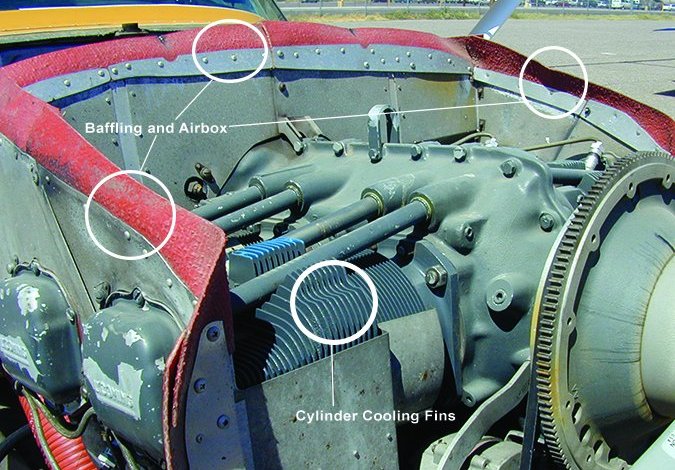
Most of us fly airplanes powered by air-cooled piston engines. Im thinking of a conventional, horizontally opposed spark-ignition powerplant from Lycoming or Continental, though the big radials also are air-cooled. The popular Rotax 912/914 series uses air to cool some portions of the engine and liquid for the rest. And even if an engine is totally liquid-cooled, it uses a radiator to exchange heat with the ambient air. Why do we use air as a primary coolant when liquid usually is more efficient, and a liquid-cooled engine can be built to tighter tolerances and greater resulting efficiencies? Air cooling is lighter and simpler than the alternatives, for one. For another, its the same reason submarines arent air-cooled-the abundance of air rushing past an airplane in flight provides ample opportunities to shed an engines heat. But thats true only if the air entering an engine cowling is properly managed and directed.

Read More »
Pilot in aircraft
Sign-up for newsletters & special offers!

Get the latest stories & special offers delivered directly to your inbox.

SUBSCRIBE