Aviation Safety

Spin Recovery Failure

Spin training-instruction in how to enter and recover from spins-used to be part of the private pilot curriculum. It was discontinued a few decades ago, in part because it was blamed for a drop-off in the number of students who completed their training and earned their private certificate. These days, the only required spin training is for the initial flight instructor certificate and one of the most popular line of airplanes-the Cirrus SR20 and SR22-come with an airframe parachute in lieu of demonstrated spin recovery capability.
Read More »

Beyond Formal Risk Management

Back in the day, the formal risk management techniques applying to contemporary general aviation hadnt been invented yet, so most pilots were on their own. How did they survive? Here are the main factors the author attributes to his success.

Read More »

An Instrument Proficiency Check Each Year

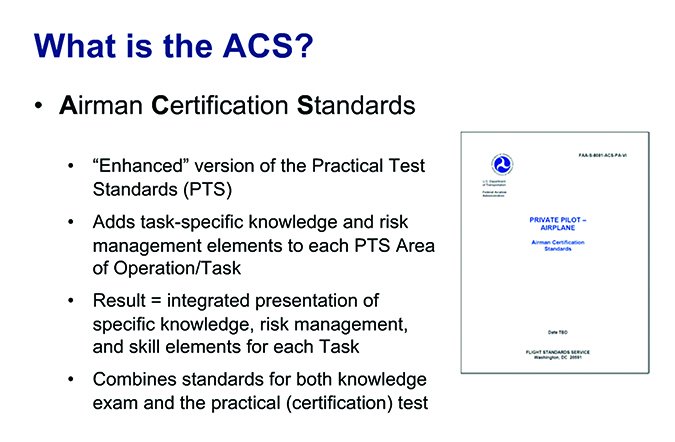
the applicant must demonstrate the ability to perform the Tasks listed in the table below. The person giving the check should develop a scenario that incorporates as many required Tasks as practical to assess the pilot’s ADM and risk management skills.””

Read More »

Density Altitudes Trifecta

When considering landing on a runway with marginal length or a difficult or obstructed departure path, the first stage of aeronautical decision-making is deciding whether to land in the first place. The next one is if you land, can you make it out safely? Quite often there are good reasons to do neither, with perhaps the biggest single factor being density altitude, usually when trying to take off at the planned time. In case youre thinking density altitude (DA) is strictly something that concerns mountain-flying enthusiasts like me, you should know it is not a concept unique to the high country. High-altitude pilots just have a head start when it comes to familiarity with DA. Anyone whos flown in the summertime, including from sea-level airports, has experienced some form of DA.

Read More »

Medical Deregulation is a Reality

In case you missed it, on July 15, 2016, President Obama signed into law legislation extending FAA programs through September 2017. In a well-earned victory for AOPA, EAA, other organizations and thousands of U.S. pilots, part of that legislation included a long-awaited provision exempting certain Part 91 operations from the requirement to hold a third-class medical. The exemption idea has a long history, but most recently was championed by U.S. Sen. James M. Inhofe (R-Okla.). But theres some fine print.

Read More »

Accident Witness

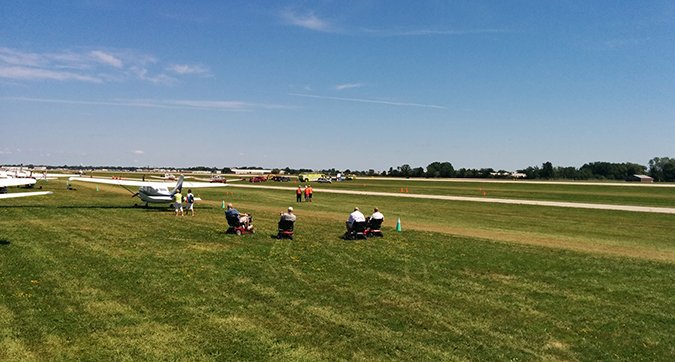
There I was, on my last day at EAAs 2016 AirVenture extravaganza in Oshkosh, Wis. It had been a great week, with a full Oshkosh experience, including camping in the rain, spending some money and catching up with old friends. The airplane was loaded and preflighted, the door was closed and I was strapped in. Id gotten the departure flick from the ATIS and from watching airplanes depart Runway 36L, the threshold for which was about 200 yards east and south of me. I was ready to power things back up, start the engine and get outta Dodge.

Read More »

Still More On JFK, Jr.

I recently read Mr. Marcums excellent comments concerning the crash of JFK, Jr.s Piper Saratoga II. As a pilot and flight instructor, and as a clinical laboratory scientist for over 50 years, Id like to suggest there are additional factors that command consideration. First, with no reported passenger in the right seat, was there an asymmetric load on the aircraft which was initially compensated by the autopilot? Could the pilot have experienced a runaway electronic trim malfunction when resuming manual control of the aircraft?

Read More »

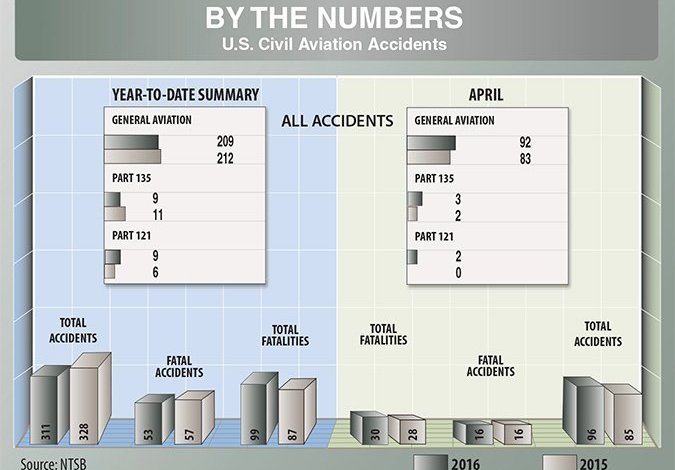
NTSB Reports: August 2016

The accident occurred during an FAA checkride for the airline transport certificate administered by a designated pilot examiner. Following the accident, several fire department personnel spoke with the commercial pilot. When asked what had occurred, he told fire department personnel that the left engine had experienced a loss of engine power shortly after takeoff. He further stated that, following the loss of left engine power, the examiner took over airplane control and was attempting to fly the airplane back to the airport when the accident occurred.

Read More »
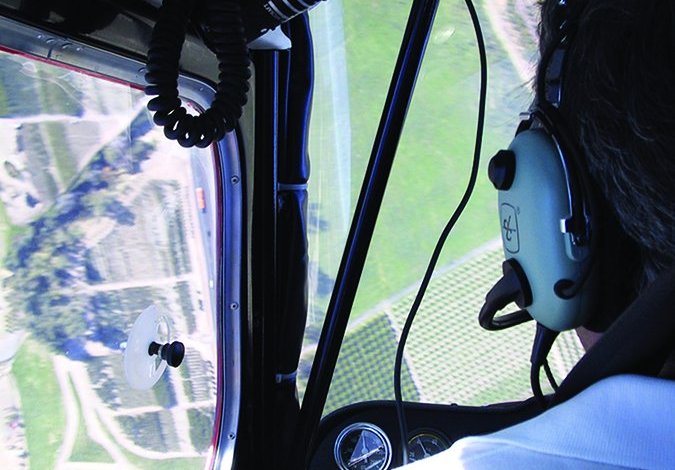
Pilot in aircraft
Sign-up for newsletters & special offers!

Get the latest stories & special offers delivered directly to your inbox.

SUBSCRIBE