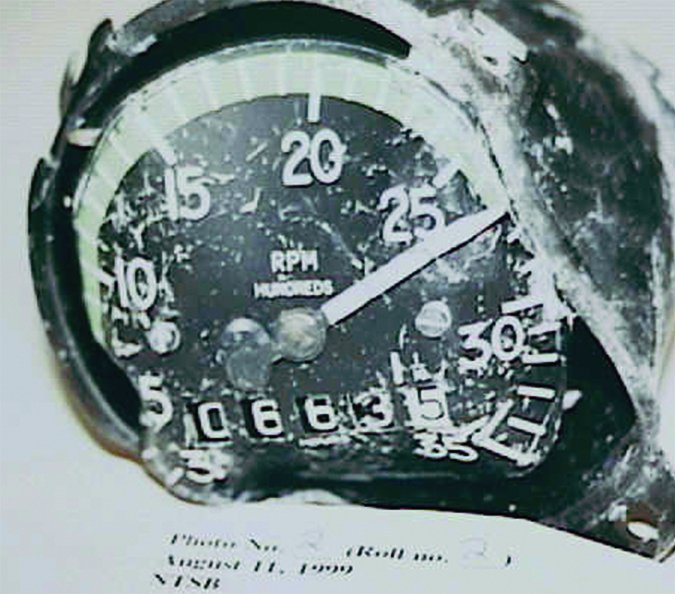
I recently read Mr. Marcums excellent comments concerning the crash of JFK, Jr.s Piper Saratoga II. As a pilot and flight instructor, and as a clinical laboratory scientist for over 50 years, Id like to suggest there are additional factors that command consideration. First, with no reported passenger in the right seat, was there an asymmetric load on the aircraft which was initially compensated by the autopilot? Could the pilot have experienced a runaway electronic trim malfunction when resuming manual control of the aircraft?
The first part of the article proposes additional factors for the JFK Jr. crash, including potential pilot physiological issues (hypoglycemia, stress, hypoxia), mechanical/environmental challenges (asymmetric load, trim malfunction, "black hole effect" in marginal VFR conditions), and in-cabin distractions.
The second part details a fatal crash of an SIAI-Marchetti SF.260 caused by fuel starvation due to pilot error (failing to switch from a taxiing fuel tank to the main tank for takeoff), emphasizing critical pre-flight checks and sound decision-making during emergencies.
I recently read Mr. Marcum’s excellent comments concerning the crash of JFK, Jr.’s Piper Saratoga II (Unicom, August 2016). As a pilot and flight instructor, and as a clinical laboratory scientist for over 50 years, I’d like to suggest there are additional factors that command consideration.
CREATE A FREE ACCOUNT
Sign up to keep reading
Create a free account to continue. Already a member? Sign in below.