











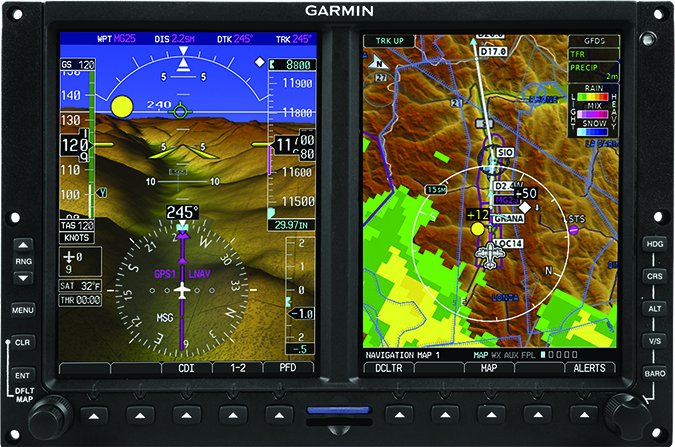


Flying a personal airplane single-pilot in the IFR environment should be easier now than ever before. Most airplanes regularly flown IFR these days have some instrument and systems redundancy, a basic or better autopilot, and at least one GPS-based moving map and digital navigation/flight management system. All of these electronic displays and automated systems are supposed to make our flying easier.
The reality is all this new capability has increased the time and effort it takes to attain and retain skills when compared to flying legacy “steam” gauges. In turn, pilots flying with these tools need to attack the proficiency problem differently. Done correctly, the result is unmatched capability, situational awareness and safety. But approach your obligations without a plan, and the complexities will make it harder to be a safe, aware pilot. So how do you make, pursue and validate an IFR proficiency plan?

