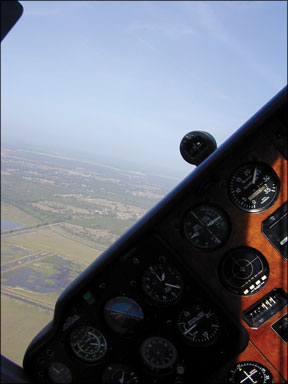
Zero-Zero Departure
Since so much emphasis is placed on approaches during the typical instrument students training, its unsurprising practicing the takeoff into IMC receives little attention. Thats more than a little unfortunate, since the instrument takeoff-especially the zero-zero takeoff-can be much riskier. For our purposes here, well define the instrument takeoff as one in which the aircraft will be in IMC before reaching the lowest altitude specified for crossing the final approach fix of a published procedure for that airport. Well define a zero-zero takeoff as one where the aircraft enters IMC before reaching DH or MDA on a related approach. Often, of course, the zero-zero takeoff is just that: The crew can see neither the end of the runway nor a definite ceiling, and must transition to instruments when the wheels leave the runway. The challenges posed by either procedure arent immediately obvious to those who havent experienced them, which is another reason for greater attention during initial instrument training. Takeoffs are always a busy part of any flight, arguably more so than landings. The aircraft is accelerating, for one, and gathering energy that must be dissipated before stopping if theres a problem. Too, panel gauges, especially mechanical gyros, behave in ways further complicating instrument flight when they are accelerated from a standing stop to climb speed in a few seconds. Various procedures necessary during a takeoff and departure-raising the gear and flaps, for example, or setting power-can wreak havoc with a pilots concentration and the aircrafts trimmed attitude. And it is during the initial climb in IMC when any errors in setting the aircrafts configuration are discovered, at exactly the wrong time for something to be done about it.