











Features
Know Before You Go
UDRI’s test was conducted “at a higher speed than the combined maximum speed of the drone and airplane
Whos In Charge?
I started my lessons (at 50 years old!) at an airport called Howell-New Lenox in Illinois. On my first solo, I had to go around due to a back taxi by another student with his instructor (my first exposure to being PIC in a two-pilot operation. But I was cool; I also learned that I was pretty calm in an abnormal situation-when Im alone.
Truth In Icing
I received a call from the owner of a turbocharged, high-performance single who lives in the Great Lakes region, well-known for icing conditions in late autumn, winter and early spring. His airplane was equipped with an aftermarket TKS-style ice protection system and was not FAA-approved for flight in known icing (FIKI). The pilot wanted to discuss strategies for flight during the cold times of the year, including insights into conditions where icing layers are vertically thin and/or rates of ice accumulation are typically light (or even only a trace).
EAA Lauds Experimental Aircraft Safety News
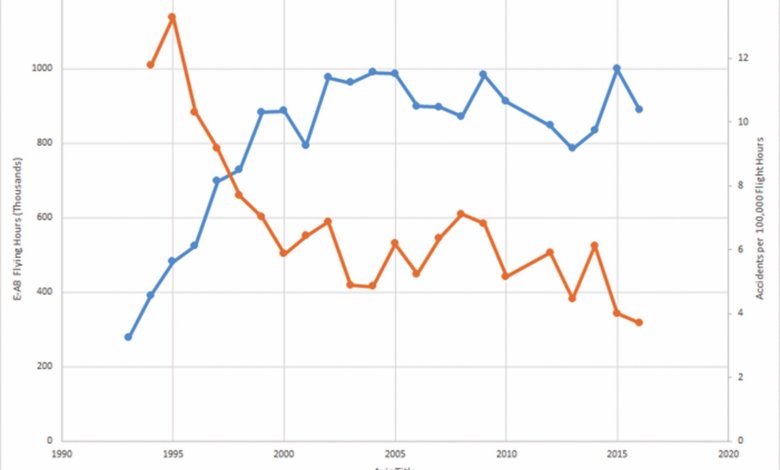
Experimental amateur-built aircraft in 2017 achieved their safest year ever, according to the Experimental Aircraft Association (EAA). The association based its findings on the recently finalized results of the FAAs 2017 General Aviation and Part 135 Activity Survey (GA Survey). Pilots of experimental amateur-built (E-AB) aircraft were involved in fatal accidents at a lower rate than has ever been recorded, with 2.63 fatal accidents per 100,000 flight hours last year, the association said. That fatal accident rate-2.63-breaks a record set the previous year, when E-AB pilots were involved in 3.6 fatal accidents per 100,000 flight hours, EAA added.
Oil Filters
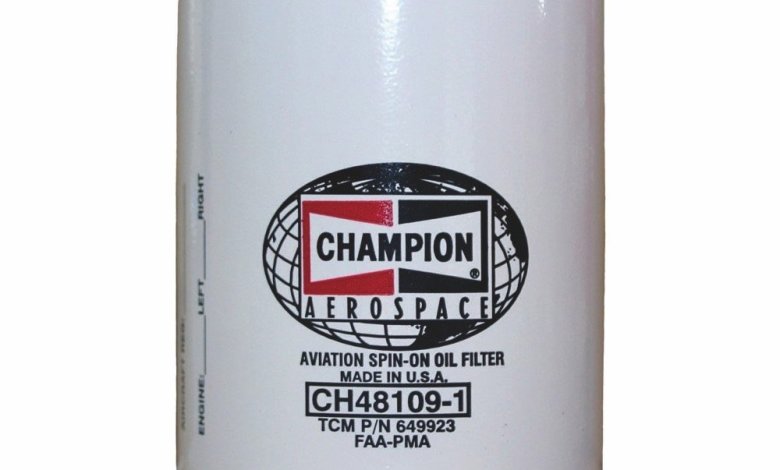
Following a scheduled oil and filter change, the technician noted lower-than-normal oil pressure at idle. The new filter (p/n CH48110-1) was replaced and oil pressure indication was normal. Examination of the replaced filter noted some paint chips had been removed in the flange area. The submitter suspects that a paint chip could have contaminated the filter, causing it to go into bypass. These filters are packaged in cardboard boxes. There was no damage noted to the box containing the filter.
Trajectories
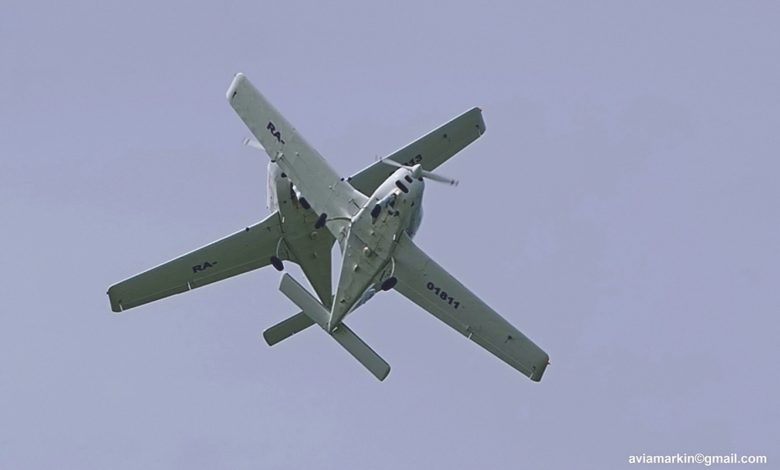
As someone whos researched my share of aviation accident reports over the years, its frustrating to dissect those reports and pick out the various missteps made and the points at which a change in direction, a precautionary landing or other mitigation would have altered the outcome. Loyal readers of this journal understand that aviation accidents arent preordained and, instead, often result from a complex series of events occurring over time. Its often called the accident chain, a term recognizing how these events are linked. Often, individual events occurring in an accident chain, by themselves, would not result in a new accident report. The accident chain concept has great value, but Ive come to think of it as a trajectory instead of a chain.
Full Frontal
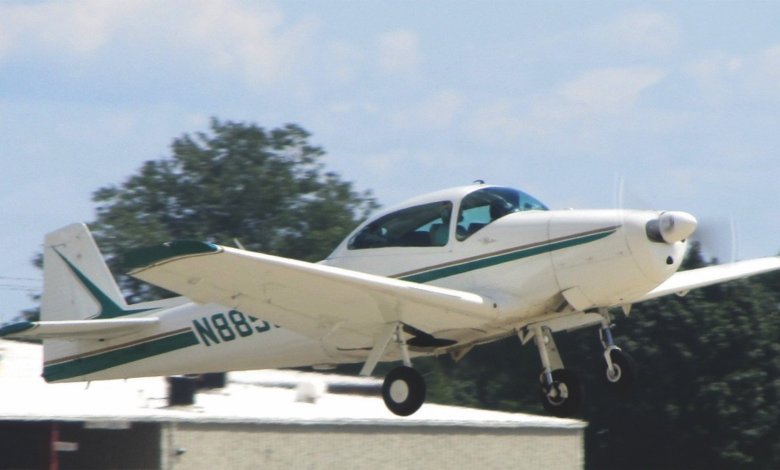
As I gained more experience, including an instrument rating, my weather understanding never really progressed beyond those big three hazards, plus airframe icing as I logged more IMC. It was more a matter of convincing myself I didnt need that additional knowledge-Id already made up my mind that I wasnt going to fly in those conditions-than an outright refusal to learn more. On one of my first forays into IMC as the pilot in command, I learned a hard lesson on cold fronts.
Two Guys In A Learjet
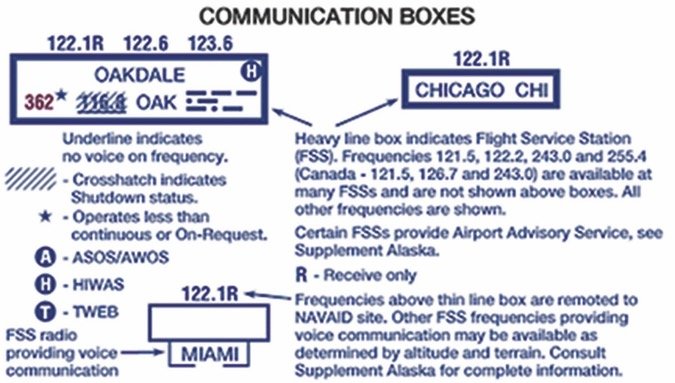
After the usual say again your callsign back and forth, the controller determined there was no flight plan on file. A new voice from the Learjet, probably the captain, asked if he could air-file over the ATC frequency. The controller instead suggested the Lear could file its flight plan over the radio by talking to Flight Service. This is when it got interesting: The Learjet then asked for the Flight Service frequency and a clearance to 17,500 feet. It got even more interesting when ATC suggested calling Flight Service on 122.1 MHz. All of a sudden, here were three blatant examples of poor airmanship and incomplete knowledge.

Return Strategies
We were ready to take off from a nontowered airport into a 700-foot overcast ceiling. Through a remote communications outlet (RCO), Id received my IFR clearance with instructions to hold for release and call ATC when I was number one for takeoff. Taxiing out, I saw a Cessna Citation Mustang light jet at the hold line. I swung onto the run-up pad, knowing I had plenty of time because the Mustang pilot would be holding for his release, and I would not be permitted to depart until he was airborne and well away from the airport.
