Features

Three Strikes

Not all that long ago, flying in thunderstorm weather was more of an art than a science. Weather radar hadn’t been invented; the only real technology available was to use the ADF and avoid areas to which its needle pointed. Grizzled veterans with years of experience flogging DC-3s across the Great Plains had developed their personal methods for dealing with them. Too often, those methods allowed penetration—sometimes at low levels, maybe at higher ones—and didn’t stress avoidance. These days, a pilot with a fraction of the experience those captains had is favored with many more tools with which to locate and avoid convective weather. In heavy-iron operations—and even smaller ones—extremely capable airborne weather radar is the norm. Even flivver drivers can access satellite- or ground-based Nexrad weather radar imagery for not much in the way of expensive hardware or subscriptions. The Nexrad option also affords pilots the ability to scroll well beyond an airborne radar’s range to look at conditions they won’t encounter for hours, if ever, in near-real-time.

Read More »

Close To Zero

From almost Day One of our pilot training, we’re told to stay out of and 20 miles from a thunderstorm. We’re also told not to fly into instrument conditions without an appropriate rating and clearance. Yet, the accident record shows many pilots regularly ignore those admonitions. The accident record, however, doesn’t reflect the number of pilots who bend or break them and live to do it again. We’d guess that number is substantial.

Read More »

Where’s The Traffic?

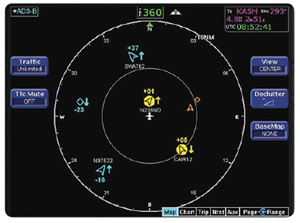
A recent discussion with a friend who happens to be an aviation attorney got me thinking about how pilots put too much faith in cockpit traffic alert systems. Without spilling the beans on privileged client/attorney speak, he spoke of a lawsuit he was working that arose from an ugly mid-air collision involving an aircraft well-equipped with high-end traffic alerting gear. It’s the type of accident provoking lots of emotion since it sadly took some lives. From what I could gather, there were some fingers wrongly pointed at the traffic system manufacturer, as if the traffic system failed at its intended job.

Read More »

Seven IFR Exercises

If you’re like many pilots, you’ve plotted some vacation time and plan to use the family flying flivver for a summer-sunshine, blue-sky getaway. Good idea—that helps keep the skills as sharp as possible—but there’s probably not much IMC you want to fly in during the summer and most of your flights will be in daytime. Remember, though, that as sure as summer follows spring, fall and winter will arrive, bringing with them fewer blue skies and shorter days. That translates into more IMC with a better chance some part of your flight will occur in nighttime conditions. What better time than summer to sharpen those least-used skills—instrument and night flying?

Read More »

The NTSB Safety Alert On Nexrad Imagery

Thunderstorms are a perennial topic whenever pilots get together to discuss weather, especially in summertime. Often, the conversation drifts from detection and avoidance to penetration and how to keep the shiny side up once we’re inside one. War stories inevitably are told, always followed by some version of the “don’t try this at home” admonition.

Read More »

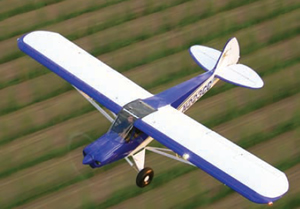
Is The LSA Safe?

The aviation world rejoiced in the summer of 2004 when the FAA announced the long-awaited adoption of its light sport aircraft (LSA) rulemaking, and the sport pilot certificate. Small, simple aircraft manufactured to industry consensus standards instead of the agency’s regulations should be vastly less expensive than traditional entry-level aircraft. Pilots who self-certify medical fitness to fly on the basis of their state’s driver license requirements could avoid the expense of an FAA medical certificate (the same pilot self-certification of medical fitness to fly applying to private and higher pilots still applies to sport pilots). Overall, the price barrier to personal aviation should fall away, causing a resurgence in new pilot starts and a renaissance in recreational and entry-level career track flying.

Read More »

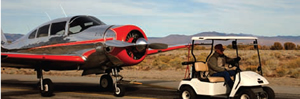
Ground Handling 101

Each flight of a land-based airplane begins and ends at the tiedown, or in the hangar. Even if you’re flying a seaplane, glider or helicopter, some degree of preparation, care and feeding of your aircraft occurs on the ground/water, where it actually spends most of its time. How we operate an aircraft on the ground doesn’t carry with it the same levels of risk as when we’re airborne, but like anything involving aviation, there are right ways and wrong ways to do things.

Read More »

Where’s The Traffic?

A recent discussion with a friend who happens to be an aviation attorney got me thinking about how pilots put too much faith in cockpit traffic alert systems. Without spilling the beans on privileged client/attorney speak, he spoke of a lawsuit he was working that arose from an ugly mid-air collision involving an aircraft well-equipped with high-end traffic alerting gear. It’s the type of accident provoking lots of emotion since it sadly took some lives. From what I could gather, there were some fingers wrongly pointed at the traffic system manufacturer, as if the traffic system failed at its intended job.

Read More »

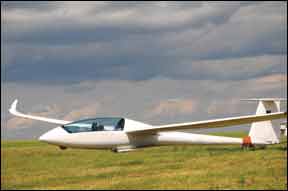
Glider Add-On

Several years ago, I bought my husband a ride in a glider as a gift, and I latched on to the idea of learning to soar. I had read and heard about how flying gliders could add to the safety of flying an airplane, not only as a result of the skills and judgment learned but also by improving basic stick and rudder work. I was of the opinion whatever basic skills I had were continually being eroded by flying the same airplane the same way year after year. I fly a Piper Comanche, a fantastic airplane, but I felt raw power and Buick-like flight characteristics were covering my flaws. I wanted something to shake things up a bit and get me back into sensing more of what the airplane was doing and how I was influencing it.

Read More »

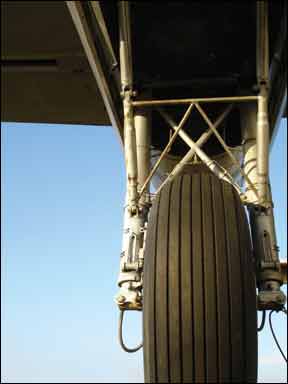
Understanding Your Undercarriage

With the possible exception of a hot-air balloon, no matter what kind of aircraft you fly—airplane, glider, helicopter or blimp—it has an undercarriage of some sort, used when it’s on the ground. The component(s) actually resting on the ground can be tires, skids, floats or skis, but they’re attached to the airframe via the undercarriage. In turn, the undercarriage can be fixed, retractable or a mix (e.g., the main gear retracts while the tailwheel doesn’t). And just as there are a seemingly endless number of airframe configurations, undercarriages come in many different flavors.

Read More »
Pilot in aircraft
Sign-up for newsletters & special offers!

Get the latest stories & special offers delivered directly to your inbox.

SUBSCRIBE