Features

The Downwind Turn

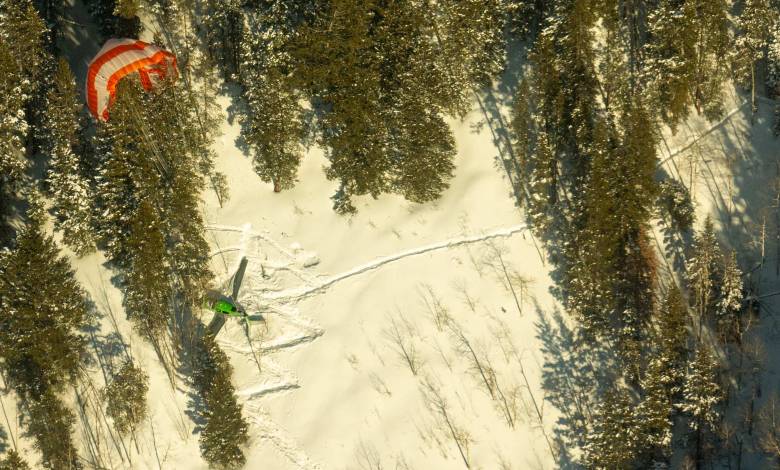
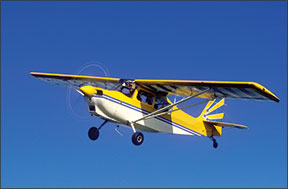
Low-level, low-speed maneuvering is always a challenge, something reflected in the accident record. Whether we engage in this type of maneuvering because we’re showing off or trying to get around the traffic pattern, the risks are the same: There simply isn’t enough altitude to recover from a stall/spin if we get into one. Add some stiff wind, gusty conditions and/or poor planning to our low-speed equation and things quickly can get out of hand. That’s presuming everything else is as it should be, including an airplane loaded within its weight and balance limitations. If it’s overweight, out of balance or both, you’ve just become a test pilot on a difficult day.
Read More »

Is Owning Safer?

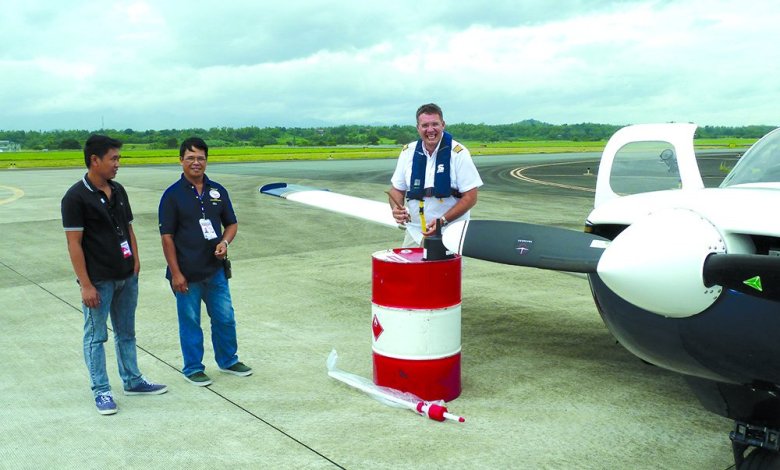
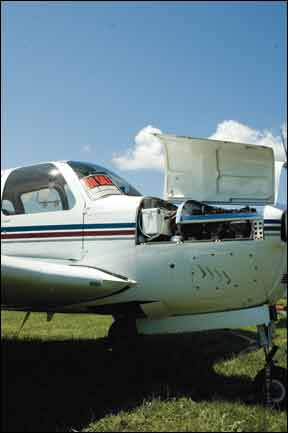
Pilots decide to buy their own airplane for a variety of reasons. It could be a business decision, helping ensure coverage of a relatively wide sales area, or perhaps an aerial photography business. Specialized flight training—like acro, or a quicky instrument rating—also can be a reason. Recreation or personal transportation is yet another. One of my major motivations was safety.

Read More »

Navigating The Sim Thicket

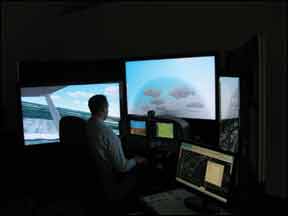
I’ve been teaching people how to fly airplanes for 28 years now, and at this point people tell me I’m pretty good at it. One of the things I learned early on is that the cockpit environment is a horrible classroom in which to teach the basics of flight. It’s noisy, full of distractions, occasionally unpredictable and constantly moving. It should not be a secret to even the newest flight instructor that all of this is a challenge to a typical primary student’s senses. Frankly, any sane human being is scared of it, at first, though few would admit to it.

Read More »

Aiming To Please

Anyone who’s spent much time using a personal airplane for transportation has—at least once—found themselves disoriented when maneuvering to land at an unfamiliar airport. Among the challenges can be picking out the right runway, especially if there are multiple choices. Operations into strange-to-us airports can generate lots of confusion. That’s especially true when the runway configuration isn’t what we’re used to. An example might involve someone accustomed to a single runway who suddenly must cope with intersecting pavement, or where two runway thresholds are adjacent to each other, even though they’re oriented approximately 90 degrees apart.

Read More »

Using A Flight-Risk Assessment Tool

It’s impossible to deny the importance of risk management in maintaining safe flight operations. Accident data consistently show the root cause of some 75 percent of general aviation’s fatal accidents is the pilot’s poor or non-existent risk-management skills. Whether they were never properly trained to consider the consequences of their decisions, didn’t understand those consequences or minimized their importance, we’ll never know. But we do know that a large proportion of them could have been prevented if the accident pilots had performed even minimal analysis of the risks presented by their proposed flight.

Read More »

From TOD, To MAP And Beyond

Your instrument training was all about the physical tasks of flying approaches, missed approaches and holds. Your CFII didn’t spend a lot of time on en route descents, or an efficient way to get prepared for those close-in, “slam-dunk” procedures…you’d pick up all that with experience flying “in the system” after passing your instrument check ride. At least that was the unspoken understanding. Trouble is, you’ve been flying IFR for a while, even completing a couple of instrument proficiency checks since passing the practical test, but those quick IPCs focused on the same terminal procedures you’ve been flying since your instrument training began, and you’re starting to wonder if there’s an easier, more efficient, better way to get from cruise altitude to the ground.

Read More »

Crosswind Considerations

Like debates on high-wing versus low, discussions of “proper” crosswind techniques stand among those topics that split pilot opinions. Roughly speaking, it’s long seemed that aviators maintain membership in one of three groups: One group favors flying crabbed approaches and departures. Another insists the wing-low, upwind-gear-first technique works best. The final group recognizes values in both and offers an answer often irritating to members of the other two groups: It depends, they say. Pilots should be competent enough to embrace either solution to crosswind transitions, employing the technique best for the time, the place and the aircraft.

Read More »

Approach Configuration Management

The concept was new to me when I first started teaching in high-performance aircraft: There are pre-chosen settings for aircraft power and configuration, i.e., flap and landing gear position, that result in predictable performance. Set the power, establish the configuration, and the airplane will perform as expected. Manage the drag (with gear and flaps) and power (manifold pressure and propeller, turbine speed or pressure) and the airplane will attain the proper airspeed and vertical speed for an approach or a missed approach.

Read More »

Pilot-Related

It’s not a secret that the vast majority—almost 70 percent in 2010, according to the AOPA Air Safety Institute—of non-commercial general aviation accidents are caused by or result from loose nuts behind the wheel: pilots. According to the AOPA ASI 2011 Nall Report, which looked at all GA accidents during 2010, “Most pilot-related accidents reflect specific failures of flight planning or decision-making or the characteristic hazards of high-risk phases of flight.”

Read More »

Climb Considerations

long ago, an instructor explained to me that knowing the various options for using the airplane, the different ways to make it do what’s needed, and the savvy to use those different models as appropriate, differentiated aviating from rote piloting. In the case of using climb abilities to your benefit, the best preparation begins with knowing and understanding all available options, knowing the plane and practice.

Read More »
Pilot in aircraft
Sign-up for newsletters & special offers!

Get the latest stories & special offers delivered directly to your inbox.

SUBSCRIBE