











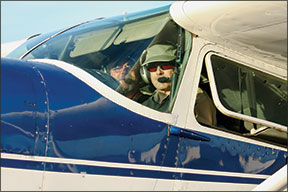


It’s not a secret that the vast majority—almost 70 percent in 2010, according to the AOPA Air Safety Institute—of non-commercial general aviation accidents are caused by or result from loose nuts behind the wheel: pilots. According to the AOPA ASI 2011 Nall Report, which looked at all GA accidents during 2010, “Most pilot-related accidents reflect specific failures of flight planning or decision-making or the characteristic hazards of high-risk phases of flight.”

Those failures—to plan adequately, to make good decisions or to engage in high-risk activity—are at the root of GA’s relatively flat total and fatal accident rates over the last decade. It’s reasonable, then, to ask what, if any, differences are there between pilots who become involved in accidents and those who don’t? Thankfully, the NTSB did this for us, even if it was several years ago. What can we learn from it?

