Features

Air Traffic Awareness

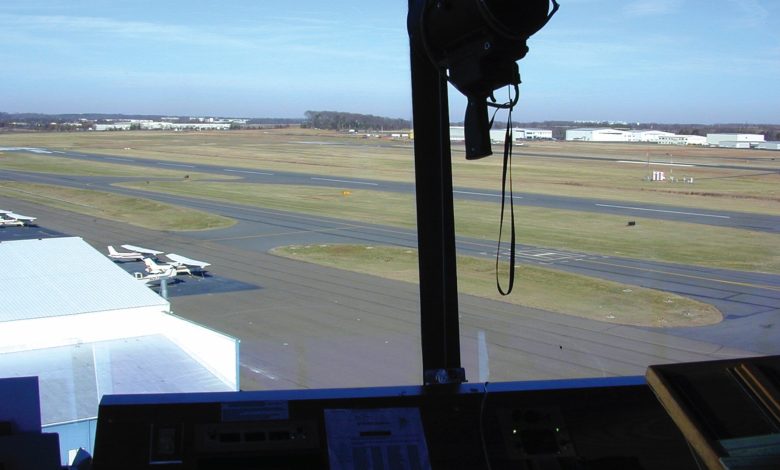
Tom Turners February 2019 article, The Big Picture, highlighted for me that we should find ways to continuously improve the way we operate within the National Airspace System (NAS) and one way I can help-to give back, if you will-is to try explaining to pilots more about what goes on in the towers, Tracons and Centers throughout the U.S. Its not mysterious or difficult to understand, but it may be different from what you have been told, or told to expect.
Read More »

Single-Stage Go-Around

Convincing the airplane that youve changed your mind and now want to climb-at the best rate, by the way-requires adding power, arresting the descent and beginning a climb, reconfiguring the airplane and ensuring directional control. While the order in which we perform these tasks varies-check your POH/AFM for the details-we still have to fly the airplane as we accomplish them. That means we can be tempted to add full power when doing so is probably not what we want to do.

Read More »

Aircraft Shipments, Billings Up For 2018

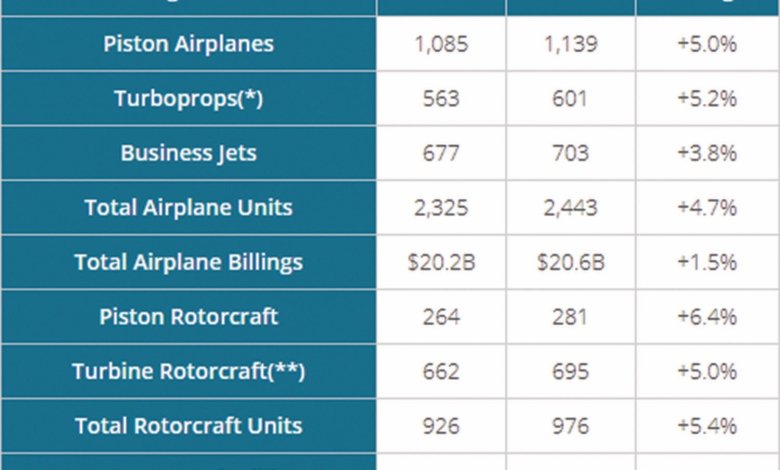
Last year was a good one for general aviation manufacturers. According to the airframers trade association, the General Aviation Manufacturers Association (GAMA), global airplane shipments increased 4.7 percent in 2018, to 2443. Billings-what you and I pay for a new aircraft-increased 1.5 percent, from $20.2 billion to $20.6 billion. Meanwhile, worldwide rotorcraft shipments also rose-by 5.4 percent-from 926 to 976 units. The only disappointment in the year-end was that rotorcraft billings decreased slightly, by 0.7 percent, possibly reflecting growing demand for less-expensive training helicopters.

Read More »

Autopilots

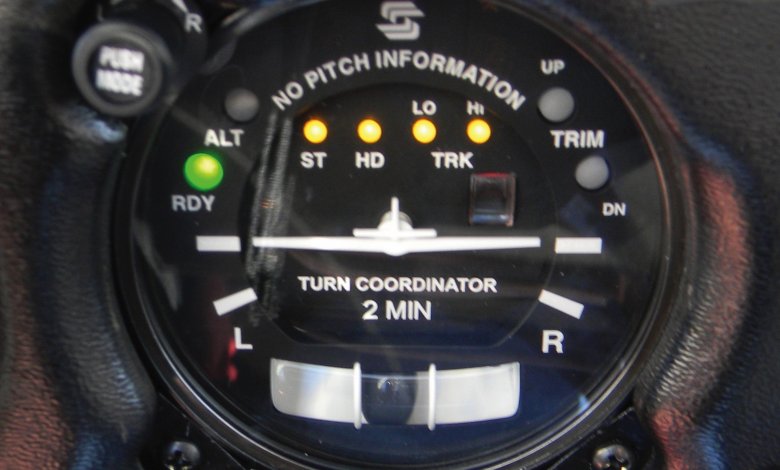
While in IFR cruise at 4000 feet, the pilot observed the flight director command bars move out of view as the airplane started a gradual descent. When the pilot corrected, the electric trim started to run nose down and the aircrafts descent rate increased. The pilot attempted to disconnect the autopilot and trim with the control switches and the red disconnect switch. None of this had any effect. With the turbulence and conditions, the pilot was unable to reach the autopilot and electric trim circuit breakers. After all other remedial procedures had failed, he shut off the avionics master switch at about 1000 feet and recovered the airplane at about 500 feet.

Read More »

Passing The Ride

Expecting that I had somehow unknowingly blown my check ride, we landed, shut everything down and he informed me I had…well…passed! A bit confused but obviously glad I hadnt actually blown it, I accepted the good news not wishing to open my mouth and undo it, and simply thanked him. I never told my instrument instructor what the examiner had said, only that he passed me.

Read More »

Ag Pilots

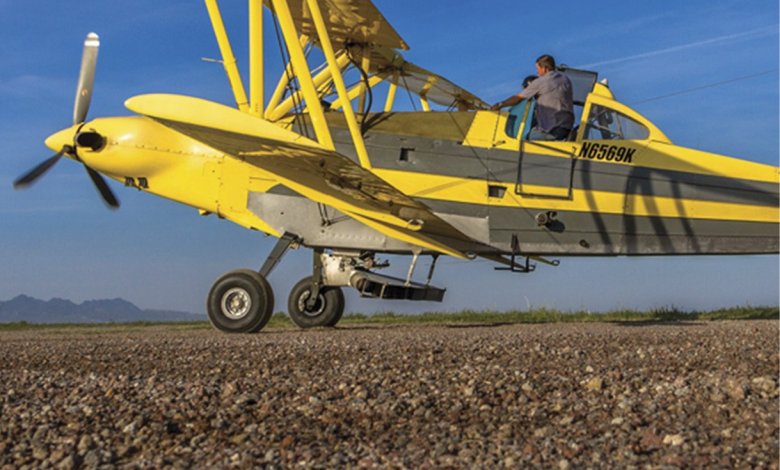
The old stereotype of crop dusters-excuse me, aerial applicators-is that they are scofflaw daredevils, perhaps with behavior issues. That caricature is a relic of the past, when an enterprising farmer would buy a $300 war-surplus Stearman, put a hopper in the front cockpit and fly the plane hard until it broke. It follows that some might think ag pilots are an unlikely source of safety wisdom, and have fallen far behind aviations cutting-edge technology, but the truth is quite different.

Read More »

After The Prop Stops

One of the oldest jokes in aviation holds that the big fan is there to cool the cockpit: Whenever it stops unexpectedly, the pilot starts to sweat. Every aviator whos had that experience can probably confirm a significant uptick in pulse and respiration. In the best case, thats accompanied by a corresponding intensification of focus, rapid execution of the memory steps of the emergency procedures checklist and efficient assessment of available alternatives. In the worst…well, those pilots arent available for interviews, but tapes of their radio transmissions can make for uncomfortable listening.

Read More »

Risks Of Engine Failure

I had an interesting experience following recent painting of my Cessna 182. I flew it back from the paint shop uneventfully enough, but after tying it down following that two-hour flight home, we had a windstorm with 50-knot gusts, and the wind put enough force on the right wingtip to cause the screws holding it in place to drop out. So, the wingtip peeled off, and smashed into the cowling, creating a dent/crease just forward of the windshield.

Read More »

Why We Lose Control

The aviation industry in recent years has highlighted loss of control in-flight (LOC-I) as the leading cause of general aviation fatal accidents. Many aviation organizations, including government agencies, have devoted considerable time and resources to target this problem and develop effective mitigations to reduce the number of LOC-I accidents. Much of that effort focuses on a pilot losing control, and how to train and equip to prevent it, because its the final event in the accident chain.

Read More »
Pilot in aircraft
Sign-up for newsletters & special offers!

Get the latest stories & special offers delivered directly to your inbox.

SUBSCRIBE