Features

Dark Acceleration

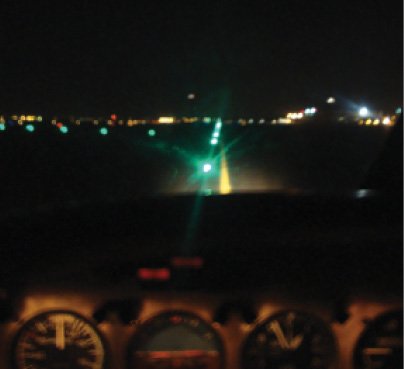
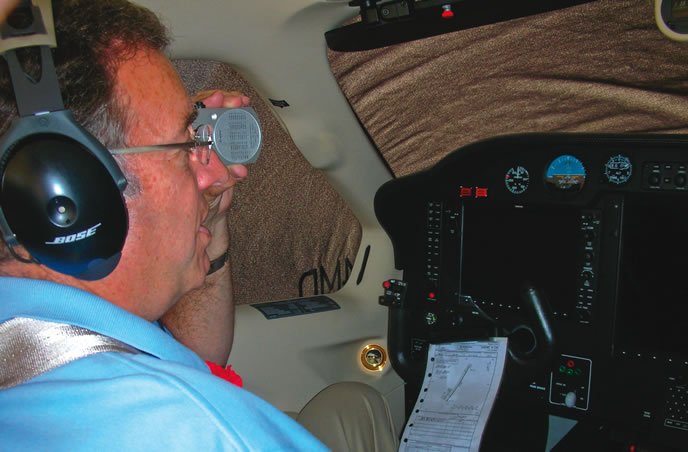
I like to fly at night. The air generally is smoother, theres less traffic, the ATC frequencies are not as busy and ground illumination, the moon and the stars can compete in one of the best light shows youll ever see. Of course, humans were never meant to fly in the first place, and we often have difficulty actually seeing things at night. So we need to be mindful of night flyings risks and adopt procedures or limitations mitigating them.

Read More »

Buddy System

Normally, I might have panicked, but with my experienced copilot at my side, I stayed calm. We talked through our options and decisions along as I continued to fly the plane. I began a series of small adjustments to the throttle and mixture to see how the engine responded. We quickly discovered these changes only made matters worse, so we left the settings as is. My buddy reminded me to stay high-altitude is our friend-and we looked for landing spots in case things deteriorated.

Read More »

Air Filters

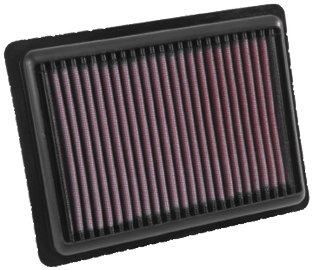
Receiving inspection of new air filters (p/n P107336) revealed three out of four had a defective sealing surface, causing the sealing/mating surface to crack and crumble. This defective sealing surface could potentially enter the engine. The defective filters sealing surface has a light-gray color while the replacement filters we received, inspected and found to be in serviceable condition had a dark gray, almost black sealing surface. Suspect that the defective filters had improper material on the sealing surface or were improperly cured.

Read More »

Flying Your Propeller

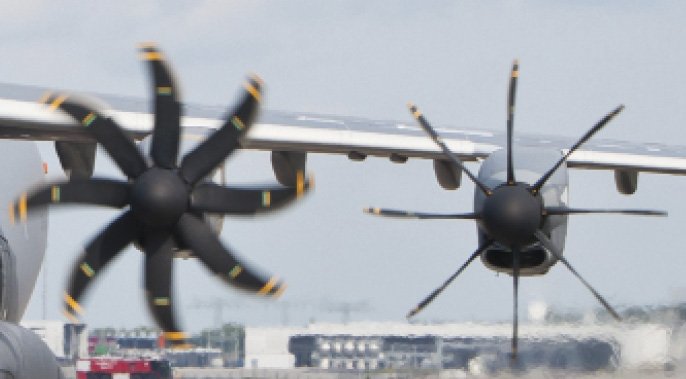
Remember that propeller blades are airfoils moving in a plane different from and usually perpendicular to the direction of flight. As an airfoil, the amount of lift the blade creates when moving through the air depends on its angle of attack, and its angle of attack-plus drag-can depend on a variety of factors, including the airplanes pitch attitude. Remember, too, that the outer portions of long prop blades move faster-they cover greater distance in the same amount of time-than shorter ones.

Read More »

Runway Incursions

There once was a time when piston singles were more prevalent at the Washington Dulles International Airport than they are today, and one evening I was in one of them, coming or going, on the ground control frequency. Another light airplane called for taxi clearance and, based on its position, was routed to a departure runway as far away as humanly possible from its parking spot. The pilot responded, Uh, ground, that looks kind of far; do you mind if we just fly over there?

Read More »

Flying On The Ground

Your primary training probably included a diagram explaining where the elevator and aileron controls should be positioned based on where the wind is coming from while taxiing. When we have such wind conditions-and even when we dont, if we want to be honest- we can and should use the ailerons to help control the airplane on the ground. Alas, we dont always have that diagram available, and its easy to forget whether the upwind wings aileron should be down or up. (Hint: It depends.) Lets try to come up with a one-size-fits-all understanding of when and how to use ailerons on the ground.

Read More »

Child Is My Copilot

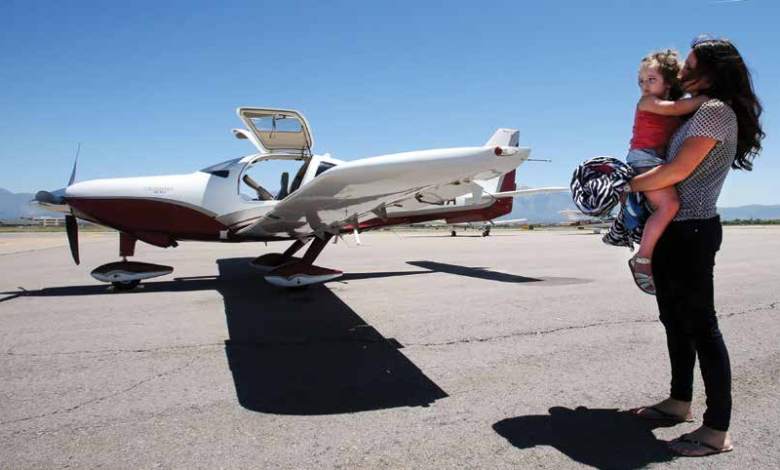
Squirreled away in a shoe box somewhere, I have a 3 x 5 print (remember those?) of my then-infant son bundled into the back seat of a Cessna 172. It was his first flight, and Im proud to have been the pilot to initiate him, even though he doesnt remember it. I dont have a formal record, but both he and my slightly younger daughter have since logged enough time as my passengers to easily meet the minimum total time required for a private certificate. But before that first flight, his mother and I researched what steps we could take to make it successful.

Read More »

Odds And Ends

This issue likely will hit your mailbox just before the Sun n Fun International Fly-In Expo in Lakeland, Fla. The annual event informally kicks off each years air show season, and 2019 will be no different. If you plan to attend SnF or any other fly-in event (cough, EAA AirVenture, cough), youre not alone. In fact, thousands of your closest friends are planning the same thing, and well all want to arrive and depart at more less the same time.

Read More »

Disoriented Scans

Fine article about bounced landings. Preventing them should be primary but when we do get a bounce, for some airplanes the recommendation is not to save the landing but just to go around. A number of years ago, there was a series of fatal Cirrus bounced landing accidents. Im not sure if there were official findings that gave common cause, but one theory was that the fixed landing gear acted like a pogo stick and was unforgiving of too much energy on touchdown. The finesse that you describe to salvage this type of bounce was not easily done by some pilots.

Read More »

The Transactional Pilot

The advent of the direct to GPS button, which allows us to fly a straight line between two points, was instant gratification for efficiency-loving pilots, especially since IFR flights no longer needed to fly inefficient tinker-toy flight paths connecting VORs as long as ATC cooperated. But instant gratification also came with instant risk tradeoffs. The biggest of them is not obvious until you look beneath the magenta flight path where there might not be many, or any, airports.

Read More »
Pilot in aircraft
Sign-up for newsletters & special offers!

Get the latest stories & special offers delivered directly to your inbox.

SUBSCRIBE