Features

Stabilized Approaches

As a pilot who spent the majority of his time landing on the kind of runways described by Mike Hart in his article, Off The Beaten Path, in June 2015s issue of Aviation Safety, I will testify to the fun of landing at such places. Most pilots will spend their time on surfaces free of undulations, slope and aircraft damaging debris, so it was good to be reminded of how the surface interacts with my flying.

Read More »

Flight Following, Part II

I was motoring home from New Orleans a couple of months ago, sliding eastbound along the shoreline, IFR at 9000 feet. After a controller gave me a frequency change for the next controller, I switched over and listened, which I always do when coming onto a new frequency. The first transmission I heard was a pilot saying something like …and we have four hours of fuel aboard. Hmmm. In my experience, its rare for anyone to talk about their fuel availability on an ATC frequency unless theres an emergency in progress and ATC wants to know souls and endurance.

Read More »

BasicMed Takes Effect

Effective May 1, 2017, you may no longer need to hold an FAA third-class medical certificate to serve as pilot in command. The change results from FAA implementing a Congressional mandate enacted last year, which directed the agency to develop appropriate regulations to eliminate the third-class medical for specified flight operations. The image below, prepared by the FAA, highlights BasicMeds major provisions.

Read More »

Navigating Weather

The relatively inexpensive and ubiquitous availability of in-cockpit Nexrad weather radar has helped minimize the risk of using personal airplanes compared to, say, 30 years ago. But risk and aviation seem to be a zero-sum game, since one result of this technology is that were more likely to get up close and personal with cumulus clouds in all stages of thunderstorm development than ever before. Thats not a good thing, but it is real. Along the way, most of us havent taken to heart the technologys inherent limitations for our purposes, like latency.

Read More »

Finding The Airport

A student pilot in a Cessna 152 was flying from Denton, Texas, to the Ardmore (Okla.) Municipal Airport (KADM). During the trip, he obtained VFR flight following from ATC. At his last checkpoint, he was told Ardmore was at his 12 oclock and 10 miles. The student contacted what he thought was Ardmore Municipal Tower and reported his position. It is unclear from the report, but it appears that he may have entered the wrong frequency.

Read More »

Hacking VFR Flight Following

No matter what its called-flight following, VFR advisories or the FAAs official term, Radar Traffic Information Service-the radar-based assistance ATC provides VFR pilots to help them identify and avoid nearby traffic often can be a mystery to pilots. The reasons why are complicated- often involving lazy instructors and low-level training flights that rarely use ATC-but its not uncommon for a freshly certificated pilot to not know how to obtain VFR flight following.

Read More »

Know Thy Cargo

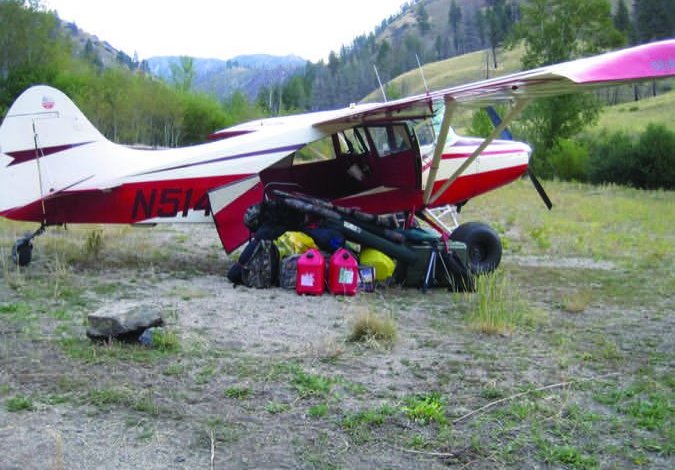
Out flying about here in Idaho, its amazing the kind of useful cargo that gets thrown into a typical personal airplane. Personally, Ive flown white gas, propane, butane, isobutene, bear spray, flares, magnesium metal, petroleum jelly-soaked cotton, windproof matches, fire starter, resin wood, radioactive materials, guns and ammunition. And thats just my emergency kit. I also usually carry (mostly) full tanks of aviation fuel and an engine filled with oil. You probably do, also.

Read More »

Performance Margins

At one time or another, weve all passed an FAA knowledge test requiring us to calculate aircraft performance for various phases of flight, such as takeoff, cruise and landing. Even though weve been trained and tested on our ability to interpolate the answer down to the foot, mile, minute or gallon, these calculations alone dont ensure were always operating the aircraft prudently. For one thing, they dont account for poor technique, worn equipment or errors.

Read More »

More Changes Coming

For almost as long as Ive been flying, the general aviation industry has been in upheaval. By the mid-1980s, product liability concerns and tax law changes helped remove what was propping up things, and the bottom fell out. Among other outcomes, Cessna stopped making piston-powered airplanes altogether while other manufacturers discontinued numerous models, preferring to concentrate on one or two.

Read More »

Drone Sightings Update

The FAA in late February released an updated list of reports detailing sightings of unmanned aircraft systems, or drones. The sightings were reported by pilots, air traffic controllers, law enforcement personnel and citizens concerned the drones posed the threat of potential collisions or other encounters with the drones. The latest data covers February through September 2016, and includes a sharp increase-1274 new reports compared with 874 for the same period in 2015.

Read More »
Pilot in aircraft
Sign-up for newsletters & special offers!

Get the latest stories & special offers delivered directly to your inbox.

SUBSCRIBE