










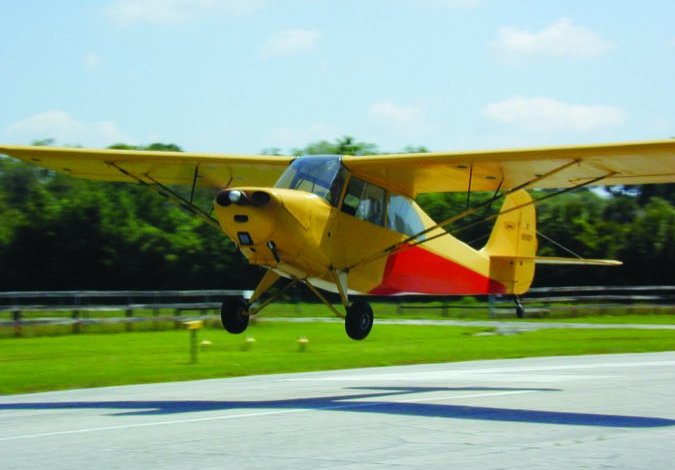
Just Go Around
Its a moment you probably wont forget. After your instructor handed back your signed logbook and reached for the cockpit door, he or she reminded you, If anything about the landing doesnt look right, just go around.

Its a moment you probably wont forget. After your instructor handed back your signed logbook and reached for the cockpit door, he or she reminded you, If anything about the landing doesnt look right, just go around.
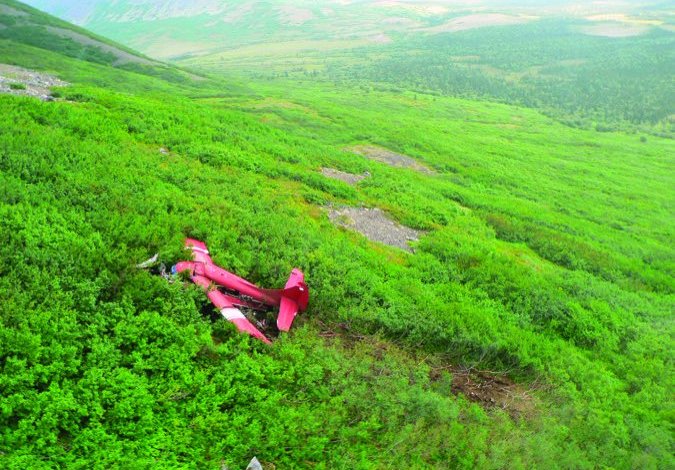
Its easy to look at controlled flight into terrain (CFIT) accidents as the kind youll never get into. Sure; you may suffer an engine failure from contaminated fuel, or scrape a wingtip while landing in a stiff crosswind or even forget to put down the gear before landing. But flying a perfectly good airplane into the side of a mountain? Never happen. The thing is, Im relatively certain every pilot who was ever involved in a CFIT accident said the same thing at one point or another, perhaps right up until the moment a tree trunk came through the windshield.
Right fuel tank cracked at top seam. Tank was replaced. Operator noticed a very loud oil canning sound from right wing after shutdown following a one-hour flight. Investigation revealed a partial blockage of the fuel tank vent, causing oil canning of fuel tank due to vacuum in fuel tank. Vent line was cleared and vented cap was replaced with new.
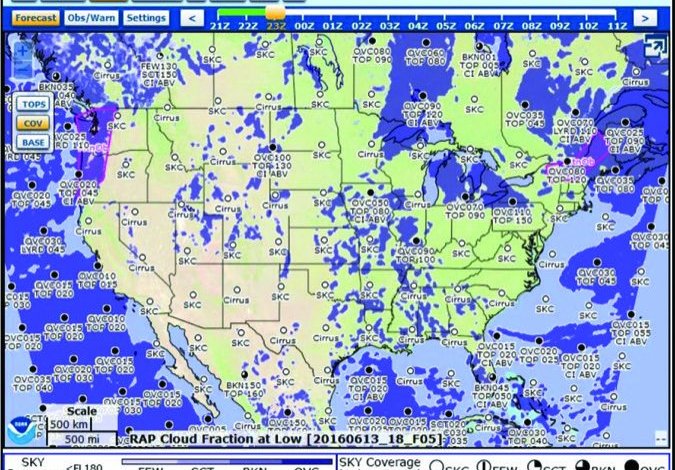
Open your favorite EFB or log onto a web-based aviation weather site and youll be presented with a deluge of information on the environment in which we fly. Text-based weather observations and forecasts, plus Nexrad weather radar mosaics, satellite-based cloud and moisture images, and information-dense graphical products are but a few taps or clicks away. With a smidgen of understanding, a lot of it becomes self-explanatory to even the infrequent pilot.
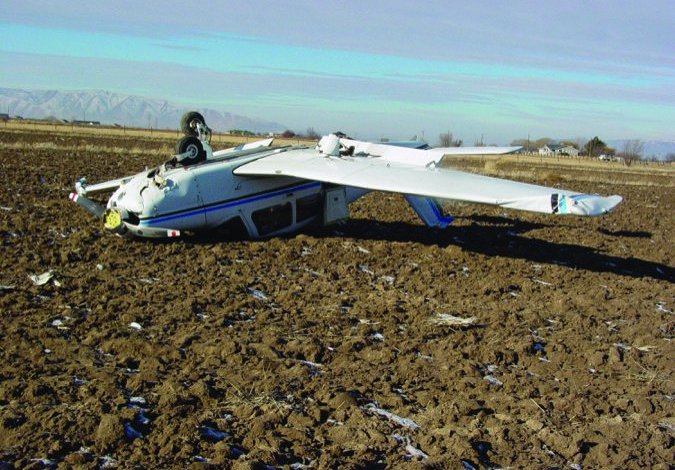
If youre lucky, youve gotten some of your aviation education from an instructor with extensive real-world experience. One CFI who fits that description-having flown freight, charter, airline and corporate without ever giving up teaching in the 35 years hes had his certificate-likes to remind students of the difference between procedure and technique. The former is what you have to do; the latter is how you choose to go about doing it. Before landing, for example, a constant-speed prop should be moved to its full-forward high-rpm setting to prepare for a possible go-around. Whether its done after turning final, on base or immediately after reducing power on downwind is entirely at the pilots discretion, provided it gets done. Reasonable arguments can be made for each alternative.
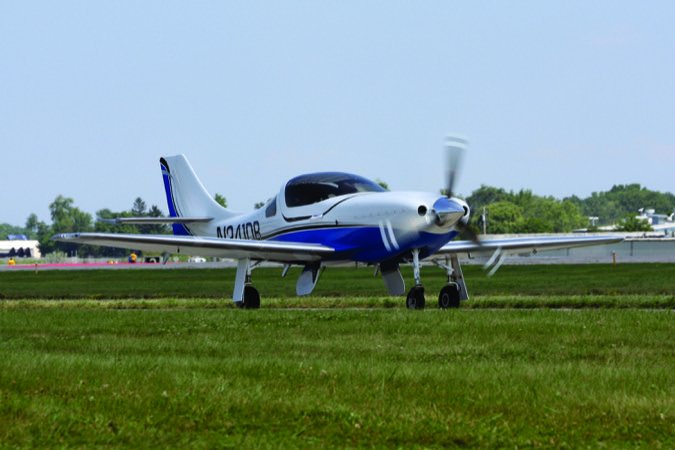
The Experimental/Amateur-Built aircraft category has been the fastest-growing segment of general aviation for some years. The term amateur-built suggests the aircraft was assembled by an individual instead of a factory. In fact, the FARs state that an amateur-built aircraft is one that the major portion of which has been fabricated and assembled by persons who undertook the construction project solely for their own education or recreation. The FAA requires that an amateur-built aircraft must be assembled or constructed at least 51 percent by an amateur, not including the engine(s), propeller(s) or accessories. Meanwhile, the term experimental encompasses much more than just amateur-built aircraft. Examples include those used for research and development, air racing, exhibition, etc.

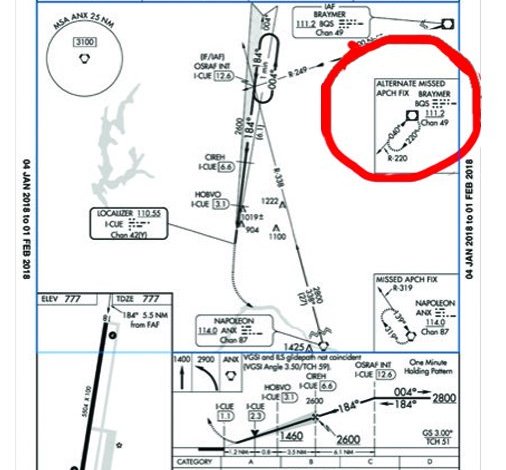
I was in the left seat of a Beech Bonanza, receiving an instrument proficiency check in the Kansas City, Mo., area. We departed Lees Summit Municipal Airport (KLXT), simulating a takeoff into instrument conditions, and proceeded toward Midwest National Air Center Airport (KGPH), a short distance to the north. My instructor gave me headings to simulate radar vectors in the clear, cold and turbulent low-level air.
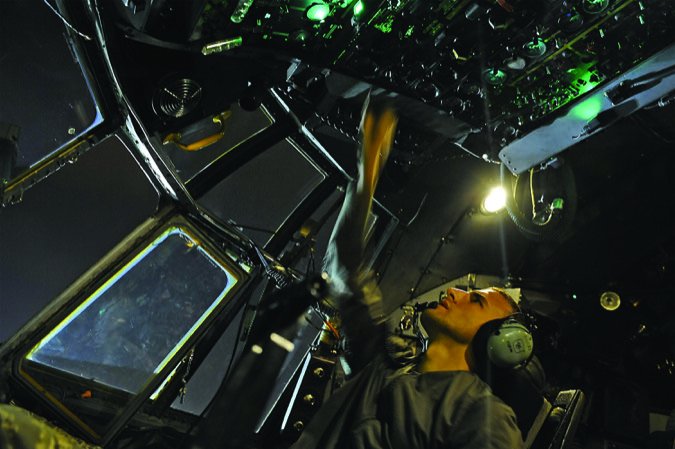
Stuff happens. One minute the engine may be purring like a kitten, the next it can be coughing up a hairball. Pilots who react well to such challenges often credit their training, applying the instincts honed by indoctrination without the need for excessive thought. How does that happen? Most pilots regularly practice simulating an engine out, picking a field and pitching for best glide. That is one scenario to be ready for, but emergencies come in many forms, and your preparation in advance will pay off when that time comes.
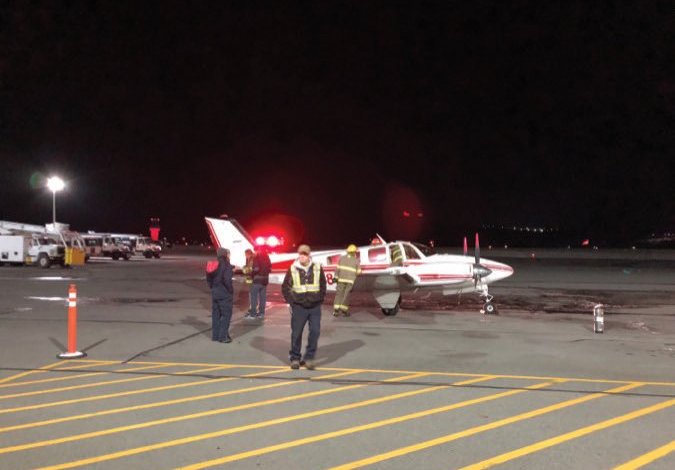
I had an eventful flight the other night. The day before, I had picked up my Beech Model 58P Pressurized Baron from its annual inspection and some extensive panel work at a facility in Massachusetts. After the paperwork was complete, I did my usual careful post-maintenance inspection and then test-flew it around the pattern several times before putting it away in my hangar back at its base

Get the latest stories & special offers delivered directly to your inbox.
SUBSCRIBE