Another Look

Maintaining Performance

Airplane performance and good maintenance are closely related. The figures published by the manufacturer are frequently viewed as optimistic once an airplane is put into service-and suffers prop nicks, bugs on the leading edge and a couple of bad landings-but book numbers can be achieved even years later. When actual performance differs from the published numbers, its often because the airplanes condition has diminished over the years and hours of use. The level of maintenance an airplane has received over the years will have a significant impact on its overall performance.

Read More »

The Real Deal?

On the off chance youve forgotten, heres a helpful reminder: ATC privatization is still a thing. Its baked into a bill being considered in the U.S. House of Representatives to reauthorize the FAA. The legislation-or something like it that continues the agencys programs-needs to be enacted by September 30, 2017. Current U.S. Senate legislation to accomplish the same basic task doesnt have ATC privatization in it at this writing.

Read More »

Wheels

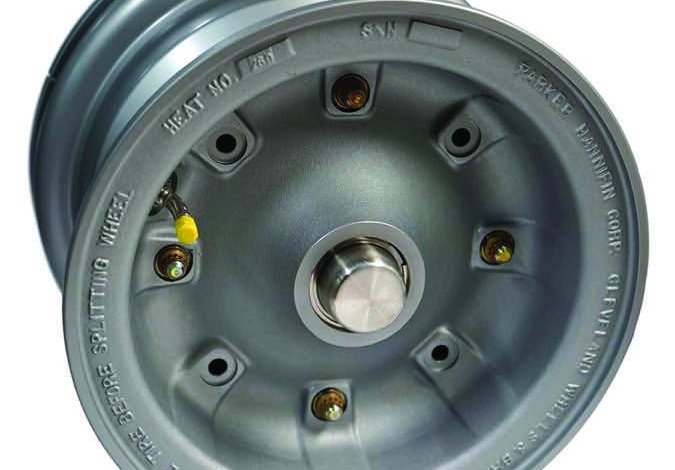
The tailwheel could not be steered during an annual inspection. The tailwheel had been painted; its grease fitting had been completely covered. The owner stated a technician told him not to grease the tailwheel and to tighten the nut on the bottom of the steering pivot bolt as tight as possible. Disassembly revealed all parts inside the tailwheel unit were extremely worn.

Read More »

Stabilized Approaches

As a pilot who spent the majority of his time landing on the kind of runways described by Mike Hart in his article, Off The Beaten Path, in June 2015s issue of Aviation Safety, I will testify to the fun of landing at such places. Most pilots will spend their time on surfaces free of undulations, slope and aircraft damaging debris, so it was good to be reminded of how the surface interacts with my flying.

Read More »

NTSB Reports: June 2017

While on the base leg for his private grass airstrip, the pilot noticed he was high, so he added flaps to increase his descent rate. On final, the airspeed was a little fast and during the landing, he flared the airplane a little high. After touchdown, the pilot applied the brakes, but the airplane did not respond, so he applied a little more brake. The airplane nosed over and came to rest inverted, sustaining substantial damage to both wings and the empennage. The pilot reported he should have performed a go-around instead of attempting to salvage the landing.

Read More »

BasicMed Takes Effect

Effective May 1, 2017, you may no longer need to hold an FAA third-class medical certificate to serve as pilot in command. The change results from FAA implementing a Congressional mandate enacted last year, which directed the agency to develop appropriate regulations to eliminate the third-class medical for specified flight operations. The image below, prepared by the FAA, highlights BasicMeds major provisions.

Read More »

NTSB Reports: May 2017

The pilot reported that when he raised the landing gear shortly after takeoff, he heard a loud crunch as the gear entered the wells. The pilot climbed the airplane to about 3000 feet and observed the landing gear circuit breaker was popped and the alternator was off. The pilot attempted to extend the landing gear normally several times, however, the circuit breaker popped each time and the gear remained retracted. The pilot also attempted to use the emergency gear extension, to no avail.

Read More »

Disappearing Runway

I was flying out of Boeing Field (KBFI), something I had done hundreds of times before. Tonights flight was to maintain night landing proficiency, so after making landings at a few airports in the area, the adventure started as I returned home in the dark. The wind was from the north, so the active runway was 31L. And because I was making the approach at night, I did what I always do: approach the runway from the north over Elliot Bay. As expected, I was assigned a left pattern to 31L.

Read More »

Finding The Airport

A student pilot in a Cessna 152 was flying from Denton, Texas, to the Ardmore (Okla.) Municipal Airport (KADM). During the trip, he obtained VFR flight following from ATC. At his last checkpoint, he was told Ardmore was at his 12 oclock and 10 miles. The student contacted what he thought was Ardmore Municipal Tower and reported his position. It is unclear from the report, but it appears that he may have entered the wrong frequency.

Read More »

Know Thy Cargo

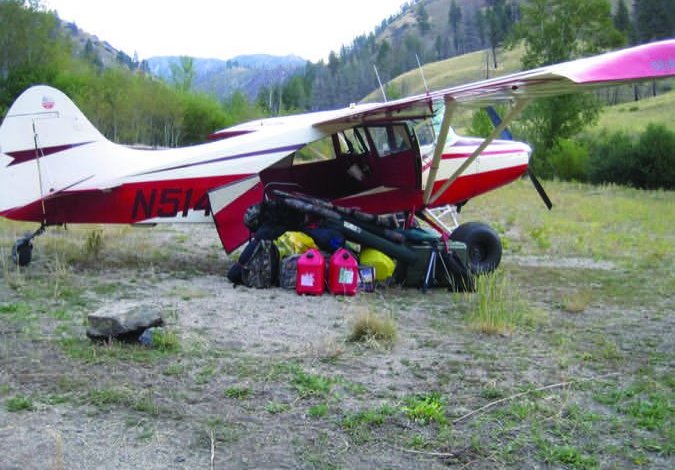
Out flying about here in Idaho, its amazing the kind of useful cargo that gets thrown into a typical personal airplane. Personally, Ive flown white gas, propane, butane, isobutene, bear spray, flares, magnesium metal, petroleum jelly-soaked cotton, windproof matches, fire starter, resin wood, radioactive materials, guns and ammunition. And thats just my emergency kit. I also usually carry (mostly) full tanks of aviation fuel and an engine filled with oil. You probably do, also.

Read More »
Pilot in aircraft
Sign-up for newsletters & special offers!

Get the latest stories & special offers delivered directly to your inbox.

SUBSCRIBE