Airmanship

Canceling IFR Too Soon

Tom Turners article in the October issue, When To Go Visual, touched on one of my pet peeves about canceling IFR after breaking out on an approach to a nontowered airport: the need to maintain VFR to the runway in an IMC environment. While we all need to be courteous and try to expedite other traffic, canceling IFR at, say, 500 agl after breaking out of a 700-foot ceiling puts us 200 feet below the clouds, too close for legal VFR in Class E airspace. And canceling two miles out on the final can provide all the evidence one needs that youre operating in less than VMC without a clearance. Enterprising feds have brought enforcement actions in similar circumstances. And theres always the guy who pulls his pickup truck onto the runway forcing you to go around and fly the miss.

Read More »

ELTs

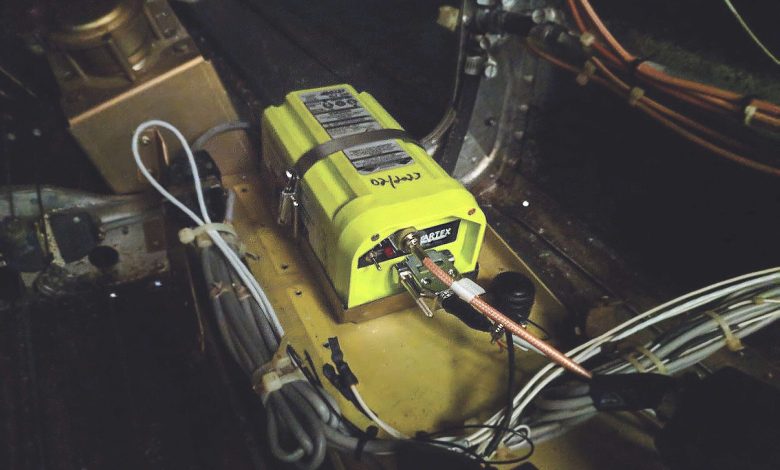
Those first ELTs, produced under FAA technical standard order (TSO) C91, failed to activate in a crash more than 75 percent of the time. When they did activate, according to AOPA, 97 percent of the time it was a false alarm. By 1985, when the FAA revised the standards and came up with TSO-C91a, a lot of the bugs had been worked out, but the ELTs troubled history painted it with a mostly deserved reputation for unreliability. Those earlier devices still meet the FAAs requirement to carry an ELT (see the sidebar on the bottom of the opposite page), but it perhaps is time they were retired in favor of newer technology.

Read More »

Familiarity, Contempt

If youve been flying for very long, its likely theres a route you frequently use. It could be a quick out-and-back to the nearest $100 hamburger or cheapest avgas, or an hours-long trek to Grandmas house. Its something youve flown often and know well enough to almost do it without a chart. You understand the topography along the way, where the bolt holes are and how any weather may influence the flight. You may even have a couple of the frequencies memorized, along with expected ATC routings.

Read More »

NTSB Reports

The pilot-rated passenger later stated he verified that the flaps were down and the three green landing gear lights were illuminated in the cockpit during the approach. Just before landing, he heard the angle of attack indicator alarm. The airplane landed hard, and he heard a loud pop and felt the left main landing gear fracture. The airplane then slid off the left side of the runway, colliding with PAPI lights, and continued sliding until the right wing dug into the ground. The airplane then flipped over and caught fire. The cockpit canopy was jammed, but several observers helped open it and egress the two occupants.

Read More »

Trying To Reason With Wildfire Season

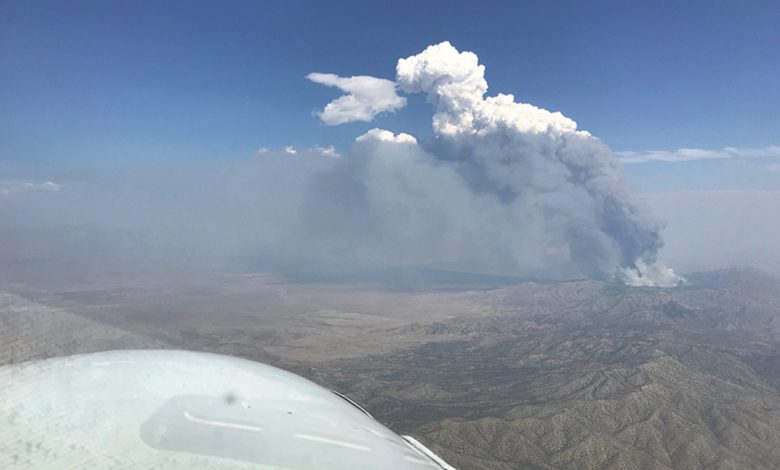
While wildfire TFRs dont usually come with the threat of a pair of F-16s, the red circles depicting wildfire TFRs pop up every summer on aviation charts like weeds. While they can and are created any time special flight operations need to be protected from typical civilian traffic, theyre especially pernicious in the western U.S. Staying safe should be simple, right? Just load the TFRs onto your moving map and skirt their boundaries, right? It isn’t that simple: Skirting the boundary is perfectly legal but it may not provide much of a safety margin. In fact, skirting them actually could increase your risk. To truly reduce the flight safety risks related to wildfire TFRs, we need to understand their implications.

Read More »

Separation Anxiety

If there were some way I could make a series of trips back in time to change things, one of the stops on my itinerary would be to somehow infiltrate the small cadre of early pilots and airplane designers to convince them to use a word other than stall to describe what happens when a wing exceeds its critical angle of attack. The word obviously has numerous other applications, and using it for this purpose has confounded student pilots and television news anchors ever since. That said, Im not sure what should replace it, and remain open to suggestions.

Read More »

Diversionary Tactics

True, it wont tell you how far youll have to go to find good barbecue, or even whether theres a courtesy car. It will, however, give you the hours at which someone should be there, the kinds of fuel available and whether theres 24-hour self-service, phone numbers for the airport manager or to request after-hours services (if available), the dimensions and pattern orientations of all runways…plus latitude and longitude, bearings and distances to the nearest navaids, frequencies for approach control, weather, and the CTAF or tower and descriptions of possible conflicts such as banner tows or skydiving. It even details what repair services are available, though you might have to look up the codes. (S4 means major airframe and powerplant.) Thats a lot of information for seven bucks-and the batteries never run down.

Read More »

Its Your Job To Check

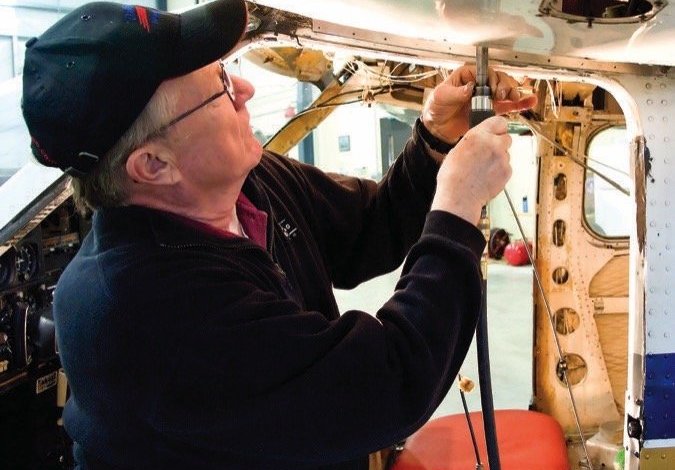
Theres an opinion among some pilots and mechanics that inspections and scheduled maintenance can do more harm than good. By constantly disassembling and reassembling an aircraft to inspect it, they argue, were prematurely wearing out the aircraft and actually making it less safe. Those same pilots and mechanics note that this is largely true, in their opinion, for aircraft that arent flown very much. For more active aircraft, however, they acknowledge that regular inspections and maintenance are less intrusive and, in fact, beneficial.

Read More »
Pilot in aircraft
Sign-up for newsletters & special offers!

Get the latest stories & special offers delivered directly to your inbox.

SUBSCRIBE