Airmanship

Air In The Tanks

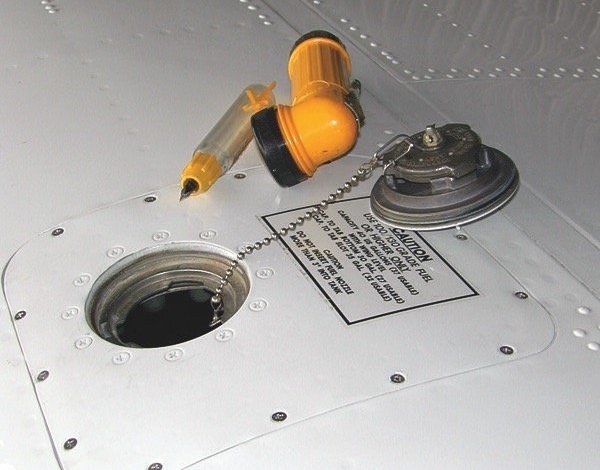
Ive owned Cessna T210s since 1977; first a 1969 J model and then a 1979 N model with a TSIO-520-R engine. In the 1980s, there were a number of fuel exhaustion accidents in 210s, all of them attributable to not getting a full fill and resulting in being shorted an hours supply when fueling stops after fuel backs up out of the filler port. The outboard sections of the fuel tanks are slightly higher than the bottom of the filler port. To get the last one-plus gallons in the tanks requires the slowest of fueling until reaching the real full point.

Read More »

Turbochargers

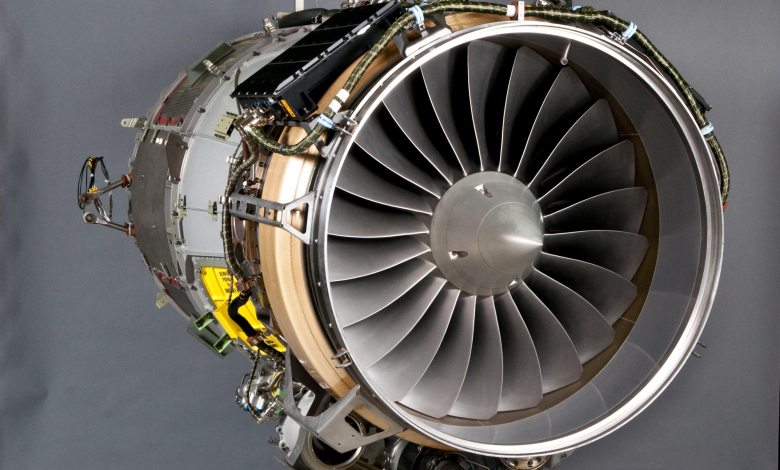
During descent, pilot noted oil streaking back from top engine cowl louvers, then dropping oil pressure. Pilot conducted precautionary shutdown and feathered propeller. Pilot continued descent and landed at destination without issue. Maintenance removed cowling and found oil appearing to come from the turbocharger (p/n 4066109025) area. Further investigation revealed oil bypassing the seals on the turbo.

Read More »

Truth In Icing

I received a call from the owner of a turbocharged, high-performance single who lives in the Great Lakes region, well-known for icing conditions in late autumn, winter and early spring. His airplane was equipped with an aftermarket TKS-style ice protection system and was not FAA-approved for flight in known icing (FIKI). The pilot wanted to discuss strategies for flight during the cold times of the year, including insights into conditions where icing layers are vertically thin and/or rates of ice accumulation are typically light (or even only a trace).

Read More »

NTSB Reports

A witness observed the airplane make a normal landing aligned with the runway centerline. His attention was momentarily diverted and when he looked back, the airplane was established in a gradual left turn, maneuvering at a slow speed in a three-point attitude. The airplane then collided with the airport perimeter fence and came to rest about 600 feet past the touchdown point. The pilot stated that, despite application of brakes and right rudder, the airplane veered off the runway. Damage included the right wing strut.

Read More »

Oil Filters

Following a scheduled oil and filter change, the technician noted lower-than-normal oil pressure at idle. The new filter (p/n CH48110-1) was replaced and oil pressure indication was normal. Examination of the replaced filter noted some paint chips had been removed in the flange area. The submitter suspects that a paint chip could have contaminated the filter, causing it to go into bypass. These filters are packaged in cardboard boxes. There was no damage noted to the box containing the filter.

Read More »

Trajectories

As someone whos researched my share of aviation accident reports over the years, its frustrating to dissect those reports and pick out the various missteps made and the points at which a change in direction, a precautionary landing or other mitigation would have altered the outcome. Loyal readers of this journal understand that aviation accidents arent preordained and, instead, often result from a complex series of events occurring over time. Its often called the accident chain, a term recognizing how these events are linked. Often, individual events occurring in an accident chain, by themselves, would not result in a new accident report. The accident chain concept has great value, but Ive come to think of it as a trajectory instead of a chain.

Read More »

Full Frontal

As I gained more experience, including an instrument rating, my weather understanding never really progressed beyond those big three hazards, plus airframe icing as I logged more IMC. It was more a matter of convincing myself I didnt need that additional knowledge-Id already made up my mind that I wasnt going to fly in those conditions-than an outright refusal to learn more. On one of my first forays into IMC as the pilot in command, I learned a hard lesson on cold fronts.

Read More »

Two Guys In A Learjet

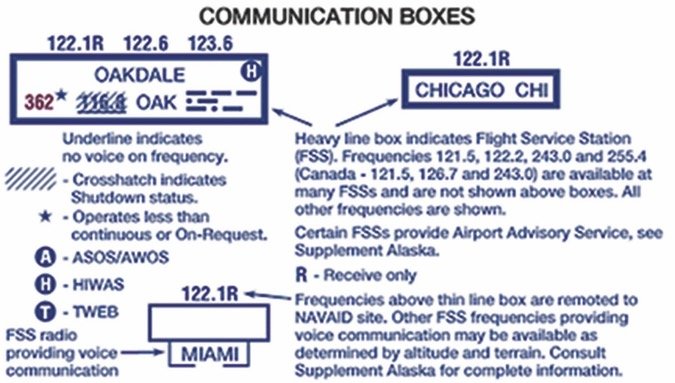
After the usual say again your callsign back and forth, the controller determined there was no flight plan on file. A new voice from the Learjet, probably the captain, asked if he could air-file over the ATC frequency. The controller instead suggested the Lear could file its flight plan over the radio by talking to Flight Service. This is when it got interesting: The Learjet then asked for the Flight Service frequency and a clearance to 17,500 feet. It got even more interesting when ATC suggested calling Flight Service on 122.1 MHz. All of a sudden, here were three blatant examples of poor airmanship and incomplete knowledge.

Read More »

Piston Engine Health Monitoring And Analysis

Looking back, the results were predictable, but the pilots and operators of earlier aircraft rarely had a choice. Advances in technology today allow precise engine monitoring and data evaluation so as to accurately predict and prevent upcoming partial or complete engine failures. In fact, monitoring has improved to the point that its rare for a modern and properly maintained-and operated-piston aircraft engine to fail without some kind of warning. The operators job is to conduct appropriate monitoring and analysis, and then to act when the data indicate a problem. Establishing an engine monitoring program and the minimal investment in equipment and training can be a significant factor in improving safety and reducing the overall cost of operation.

Read More »
Pilot in aircraft
Sign-up for newsletters & special offers!

Get the latest stories & special offers delivered directly to your inbox.

SUBSCRIBE