Aircraft Analysis

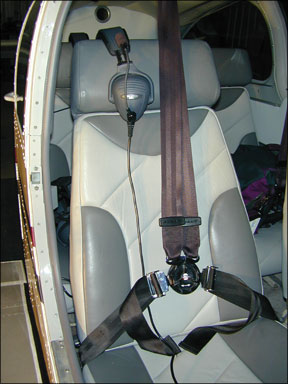
Retrofitting Restraint

While none of us plan to crash our airplanes, stuff happens. The NTSBs database is replete with accident reports involving events like engine failures and ensuing off-airport landings where the engine started and ran fine after the investigators arrived. In many of them, plenty of fuel was aboard and carburetor ice was ruled out. Most of those reports go on to state the engine failed for unknown reasons. We cant choose when well have to set one down but-by avoiding hostile terrain like mountains and oceans, or flying only in daytime VFR-we can choose many of the conditions well experience. We also have the ability to maximize the likelihood of a favorable outcome.

Read More »

Pitot/Static Checks

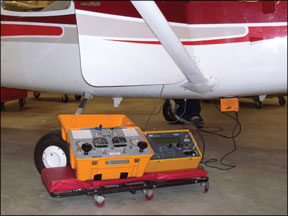
Aside from annual inspection, one of the most dreaded chores of aircraft ownership is complying with FAA-required pitot, static and transponder system recertification. You do comply, dont you? Maybe its the hassle of clearing your schedule to fly the airplane to the shop for the inspection. Or the bigger hassle when the inspection reveals problems that create unplanned expense because the huge amount of labor involved with static-system repairs can cost real money. For the aging fleet of steam-gauge equipped aircraft, pitot/static systems and related instruments often require repair or rebuild. Many owners motor along clueless to their substandard system.

Read More »

Is That Too Much Airplane For You?

Years ago in a sleepy college aircraft economics class, we learned the pecking order of items to consider when acquiring an aircraft. The short list included the usual items of damage history, engine time, avionics, operating costs and a variety of other factors making obvious sense. But one aspect of aircraft acquisition we werent taught is an issue thats gained prominence in the current sales climate: the consequences of buying too much airplane. With used aircraft pricing at an all-time low, its easy to get sucked into a convincing fantasy that the airplane of your dreams is also one fitting your skills, operating budget and mission.

Read More »

Learning Your Retrofit Panel

Weve been doing this long enough to remember when the extent of new avionics upgrades included a couple of flip-flop nav/coms and an audio panel. Even back then, some owners stumbled with otherwise simple switchology. Worse case was missing a radio call. Things have changed. Todays avionics upgrades, however, usually involve tightly integrated glass and advanced automation. Just learning how to power up all those neat toys usually requires more thought and planning than the nav/coms of 20 years ago. The safety implications are obvious; the operational ones perhaps somewhat less.

Read More »

Which ELT Is Best For You?

New motorcyclists often ask how much they should spend for a helmet. The flippant answer is, “How much is your head worth?” While not very satisfying, its true to a great extent: The helmets offering the best protection and comfort are typically the most expensive. This is largely true for ELTs; the solution most likely to enable a timely rescue under adverse conditions is probably going to cost a lot. As pilots, we constantly balance cost, risk, safety, practicality and utility. There are always trade-offs to weigh in making just about any decision. Now, we can add ELTs to the list of items whose cost we must balance against the risks well encounter and the degree of safety we want to achieve.

Read More »

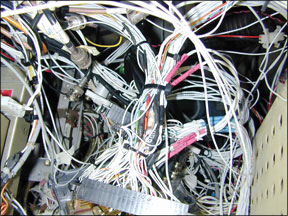
When The Sparks Stop

This aviation “thing” brings with it the potential for events seemingly designed to test our internal response systems. You know the kind: situations with substantial potential for our adrenal glands to start working overtime. Learning how to deal with these kinds of events is one of the things flight training is all about. The time we spend with an instructor practicing various scenarios-from broken gyros and other useless instruments to no-flap landings and complete engine failure-teaches us how to combat a number of not-uncommon problems. And, unless were flying a glider, hot-air balloon or powered aircraft lacking an electrical system, the prospect of losing those flowing electrons-especially when in flight conditions where we really, really need them-is one very real prospect.

Read More »

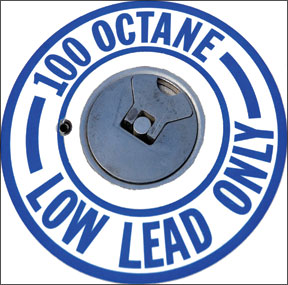
Top Four Fuel Exhaustion Excuses

Many pilots think running out of fuel is in the same category of a gear-up landing: It can never happen to them, until it does. While there may be several good reasons for landing with the gear still stowed, we can think of only two for running out of fuel. One of them involves fuel starvation-theres fuel aboard, but it cant get to the engine. In our view, the only time this excuse holds water is when it involves some kind of mechanical event-the fuel selector breaks off in the pilots hand between detents, for example, or a transfer pump fails. The only other legitimate excuse for running out of gas is when the weather caves and theres literally no place to land within our dwindling range. And thats rare enough we couldnt find any recent examples, although they may be out there.

Read More »

Pre-Heating You Engine Increases Flight Reliability

Its been several years now since I inflicted this on the poor thing, but somewhere out there is a Piper Archer II it once took me and a friend several tries to get started one cold, wintry day outside Washington, D.C. A lineguy came by, aimed a torpedo heater into the engine cooling inlets for a couple of minutes apiece, charged us a bunch of money and left. After a few more tries, wed managed to frost the plugs, so we decamped to the FBO for hot coffee. Thirty or so minutes later, we tried again and finally got a start. Based on what I know now-I knew very little about engine or aircraft pre-heating back then-none of what we did could have been good for that engine.

Read More »

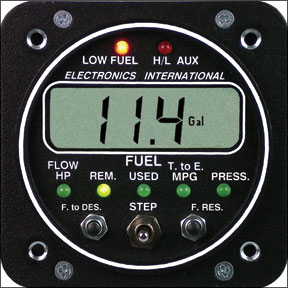
Counting Gallons of Fuel

One reason fuel mismanagement mishaps still comprise a large share of annual accident data is pilots forgetting to manage their fuel or doing it poorly. Another could be the less-than-exact instrumentation found aboard most GA aircraft. The bad news is only you can fix the pilot problem. But there is good news: A fuel totalizer providing instantaneous fuel consumption data along with fuel remaining, endurance time and other useful information can eliminate shortcomings in the less-than-accurate fuel gauges installed in most personal aircraft. Even better news? When connected to a Loran or GPS, a totalizer and a navigator working together can supply distance-to-empty and reserve-at-destination information, along with your real-time mileage.

Read More »

Is It Airworthy?

The question comes up time and again in the FBOs pilot lounge and on aviation-related forums: Does a known fault make an airplane unairworthy? Time and again when faced with this question, I hear the response, “TOMATO FLAMES” for an aircraft in VFR-day conditions, a mnemonic referring to the items required under FAR 91.205 for day VFR. This is part of the answer, but it is neither the beginning nor the end of determining the airworthiness of an aircraft with a known fault. Instead of a simple, “one-size-fits-all” answer, exploring existing regulations, legal decisions and legal interpretations should guide a pilot or owner in determining whether or not an aircraft with known faults is airworthy. First, lets define “airworthy.” Somewhat surprisingly, “airworthy” isnt defined by the FAA, at least not in FAR Part 1, Definitions and Abbreviations. In 1994, Congress took it upon itself to describe an “airworthiness certificate” as something the FAA Administrator shall issue when he or she “finds that the aircraft conforms to its type certificate and, after inspection, is in condition for safe operation.” Very little additional guidance is available from the 350-plus pages of FAA Advisory Circular AC 8130.2F, Airworthiness Certification of Aircraft and Related Products. When attempting to define “airworthy,” the AC basically reaffirms what Congress said.

Read More »
Pilot in aircraft
Sign-up for newsletters & special offers!

Get the latest stories & special offers delivered directly to your inbox.

SUBSCRIBE