











While none of us plan to crash our airplanes, stuff happens. The NTSBs database is replete with accident reports involving events like engine failures and ensuing off-airport landings where the engine started and ran fine after the investigators arrived. In many of them, plenty of fuel was aboard and carburetor ice was ruled out. Most of those reports go on to state the engine failed for unknown reasons. 288
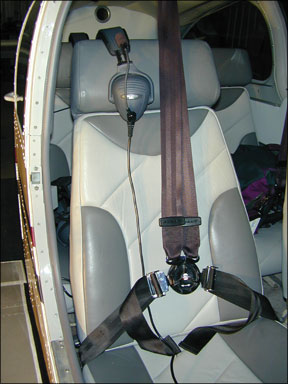
Retrofitting Restraint
While none of us plan to crash our airplanes, stuff happens. The NTSBs database is replete with accident reports involving events like engine failures and ensuing off-airport landings where the engine started and ran fine after the investigators arrived. In many of them, plenty of fuel was aboard and carburetor ice was ruled out. Most of those reports go on to state the engine failed for unknown reasons. We cant choose when well have to set one down but-by avoiding hostile terrain like mountains and oceans, or flying only in daytime VFR-we can choose many of the conditions well experience. We also have the ability to maximize the likelihood of a favorable outcome.

Key Takeaways:
- Many general aviation accidents are survivable, but fatalities and serious injuries often result from occupants colliding with the cockpit interior due to inadequate restraints.
- Shoulder harnesses are crucial for occupant safety, demonstrably reducing major injuries by 88% and fatalities by 20% by preventing impact with the instrument panel and controls.
- The FAA actively promotes and has simplified the process for retrofitting older aircraft with shoulder harnesses, encouraging owners to upgrade their restraint systems to improve crashworthiness.
Key takeaways sponsored by Aviator Pro | Start Your Training ->
See a mistake? Contact us.

