Aircraft Analysis

Engine-Related

They say flying is hours and hours of boredom punctuated by a few fleeting moments of occasional terror. For the pilot flying a single, maybe it starts as a vibration you’re pretty sure you’ve never felt before, or as a slight pulse of the engine, a muffled thump, popping or a stumble. Maybe your airspeed has dropped off, and the gauges aren’t indicating what they should, or where you left them. The good news is engines rarely stop completely without warning. The bad news? Odds are, if it gets this far into the process of trying to get your attention about a fuel-related issue, things are poised to get more interesting rapidly.
Read More »

Planning PFD Upgrades

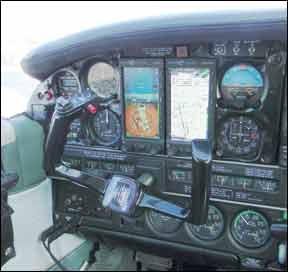
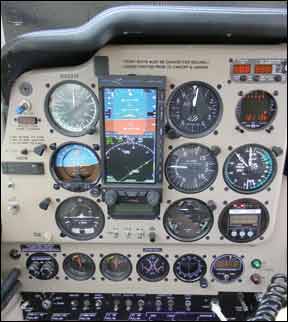
As an avionics guy, I tempt owners to pull the big-dollar trigger on PFD upgrades. At the end of the day, I usually sleep well because most new owners who take my advice to the bank marvel at the cutting-edge touch of a PFD. The jump from round-gauge to glass flight instrumentation brings serious automation, huge amounts of data in one screen and offers a needed jump-start to old autopilots. But wrapping your head around the electrical interface and how the PFD interacts with other critical systems is a necessary challenge for safe operations. This is a challenge for the information-challenged, and some pilots I’ve turned loose after upgrading their panel do make me lose sleep.

Read More »

Winter Tech Traps

If you haven’t noticed, the days are becoming shorter, it’s not as warm out and—depending on where you are—the trees probably have changed color. Welcome to winter, sometimes a seasonal smorgasbord of aviation weather conditions. May we interest you in some unexpected fog? Perhaps a premature sunset? How about a nice mix of solid overcast, low sun angle and variable winds? If you’re a fair-weather pilot, you may be tempted to hang up the headset for a few months, at least until it’s time to adjust the clocks forward. For the most part, that’s the wrong reaction, but it’s clear the short days, low sun angles and long shadows, and freezing precipitation winter brings can tax our individual systems.

Read More »

Going All-Electric

These days, vacuum- or air-pressure-driven instruments in an otherwise glass panel seem like the proverbial fish out of water: All that spiffy new technology parked next to stone-age holdovers. Vacuum/air pumps and the unreliable spinning gyros they feed are pre-WWII technology, heavy and involve problematic plumbing systems. The irony has many owners thinking of removing their air/vacuum system entirely. Though it’s not without its drawbacks—which we’ll get to—going all-electric has several benefits, including weight savings, simplified maintenance and troubleshooting, and elimination of the failure-prone dry pumps and plumbing once and for all.

Read More »

The ADS-B Mess

For the time being, a Mode C transponder is your key to regularly accessing Class A, Class B, TFR and ADIZ airspace. Under most circumstances, losing altitude squawk capability means ATC isnt going to let you into those places, although you can continue flying elsewhere. Thats one reason many operators have installed a second, back-up Mode C transponder, in case the primary box fails. But that Mode C transponder is destined to be supplemented by-maybe replaced by-the FAAs new air-traffic surveillance system, ADS-B, or automatic dependent surveillance-broadcast. As plans currently stand, well all need this technology installed in our aircraft to access various airspace types by 2020, when the FAAs final rule mandates the latest and greatest ATC system, NextGen, is implemented. Putting aside the new systems relative merits and implementation timetable, the time will come when at least ADS-B Out equipment will be required for a lot of places we want to go.

Read More »

Avionics Gone Wild

As an avionics guy, Im often asked if I would rather deal with total avionics failure in an all-glass or round-gauge aircraft. My preference is all-glass because total failure is pretty unlikely. And even if it did happen, the situation shouldnt be debilitating. With dual batteries, dual electrical systems, standby instruments and a portable GPS, theres little reason why you couldnt put down safely. But for an older retrofit panel, the risks are elevated. You dont have to be an avionics tech to understand what makes your panel tick, but you do need to know what can make it a ticking time bomb. Perhaps you pushed the wrong button sequence for an autopilot-coupled approach, or maybe an encounter with ice has turned your Aspen PFD into an expensive tic-tac-toe game.

Read More »

The Red Knob II: Where To Put The Mixture

Pilots are famous for arguing the finer points of various procedures they employ when flying. In recent years, few topics have generated more “discussion” and disagreement than when and how to lean a gasoline-fueled piston-engines fuel mixture. A previous article (“The Red Knob,” April 2011) explored the benefits of modern multi-cylinder engine monitors, closely balanced fuel flow between all cylinders of an engine and the effects leaning from full rich have on parameters like exhaust gas temperature (EGT), internal cylinder pressure (ICP) and cylinder head temperature (CHT).

Read More »

Is It Airworthy?

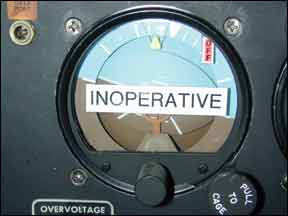
With a few exceptions, the typical personal aircraft is relatively reliable. Modern, solid-state avionics rarely break, we long ago figured out how to build and maintain mechanical flight instruments and, presuming the airframe is both flown and maintained regularly, dispatch reliability of personal aircraft often can be compared to the modern automobile. But, stuff does break every now and then, usually right before were prepping to launch for a family vacation or an important business trip. Some failures automatically mean going via human mailing tube; others often can be resolved after a couple of hours in the shop. In between those two extremes are equipment failures which may reduce the aircrafts capabilities, but dont materially affect either its airworthiness, ability to fly or safety.

Read More »

The Red Knob

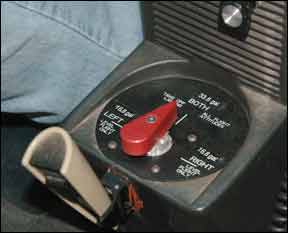
Ordinary auto maintenance shops use modern sophisticated computers to analyze engine status and performance. New cars and trucks use computer circuits to control ignition timing, fuel flow and mixture, among other parameters. Drivers do not need any specialized knowledge or skill to operate their automobile engines efficiently and safely. Pilots are in a much different position. Aircraft maintenance shops use tools little different than they were a half-century ago. Aircraft piston engines have seen little or no improvement in decades. In fact, some argue aircraft engines are less reliable and durable than they were even a few years ago. Unless several physical laws are repealed, substantial improvement of aircraft piston engines does not appear to be imminent.

Read More »

Owner-Performed Maintenance

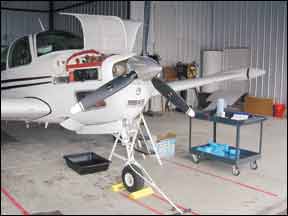
Ive always been fond of pointing out one of the most dangerous things in personal aviation is a private pilot with a #2 Phillips screwdriver. Thats because Ive occasionally come across the aftermath of an owner who tried but failed to accomplish a simple inspection or maintenance task without the proper knowledge, tools or training. Too often, the results demanded a “real” mechanic to come in and fix the mess. And, while Ive tried to do as much preventive maintenance on my airplane as I can, Ive often gotten in over my head and needed some professional assistance, too.Thankfully, the FAA still allows certificated pilots to work on their aircraft, performing some relatively mundane tasks.

Read More »
Pilot in aircraft
Sign-up for newsletters & special offers!

Get the latest stories & special offers delivered directly to your inbox.

SUBSCRIBE