











With a few exceptions, the typical personal aircraft is relatively reliable. Modern, solid-state avionics rarely break, we long ago figured out how to build and maintain mechanical flight instruments and, presuming the airframe is both flown and maintained regularly, dispatch reliability of personal aircraft often can be compared to the modern automobile. 288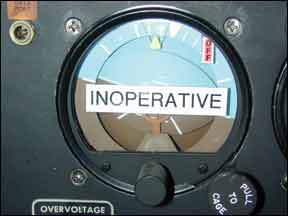
Is It Airworthy?
With a few exceptions, the typical personal aircraft is relatively reliable. Modern, solid-state avionics rarely break, we long ago figured out how to build and maintain mechanical flight instruments and, presuming the airframe is both flown and maintained regularly, dispatch reliability of personal aircraft often can be compared to the modern automobile. But, stuff does break every now and then, usually right before were prepping to launch for a family vacation or an important business trip. Some failures automatically mean going via human mailing tube; others often can be resolved after a couple of hours in the shop. In between those two extremes are equipment failures which may reduce the aircrafts capabilities, but dont materially affect either its airworthiness, ability to fly or safety.

Key Takeaways:
- The decision to fly with inoperative equipment primarily depends on whether the item is legally required for the planned flight conditions (e.g., day VFR) according to FAR 91.205.
- If not required, inoperative equipment must be placarded "inoperative," deactivated, and determined by the pilot or mechanic not to pose a hazard, as per FAR 91.213.
- Any equipment deferred as inoperative must be repaired, replaced, or removed by the aircraft's next required inspection, a requirement outlined in FAR 91.405.
- Ultimately, the pilot is responsible for assessing whether inoperative equipment affects the safety of flight and making the final go/no-go decision, even if legally permissible.
Key takeaways sponsored by Aviator Pro | Start Your Training ->
See a mistake? Contact us.

