Aircraft Analysis

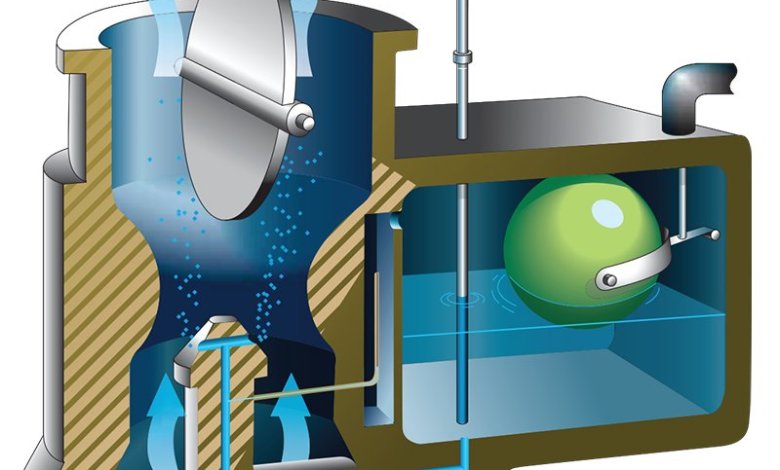
Aircraft Engine Induction Systems

From the beginning of our primary training, we learn how to check our airplanes fuel quantity and quality, and how to position various controls to ensure the engine starts and stays running. We know we can turn the fuel off and on, and perhaps select from which tank the engine will draw, but what happens after that often is a mystery. Whats going on between the fuel selector valve and the engine?
Read More »

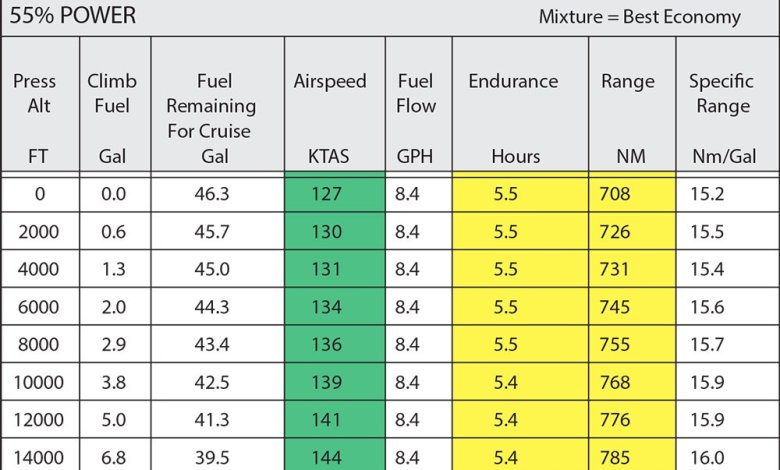
Less Power for More Aircraft Range

What if getting to B by burning as little fuel as possible is our objective? Or we want to stay aloft as long as possible? There are speeds to fly to achieve those goals, but well have to slow down, usually a lot. And those exact speeds, for best range and for best endurance, usually arent published for personal airplanes. A workaround is to simply use the lowest book power setting. If no limitations prevent it, best range or endurance usually is found at even lower power.

Read More »

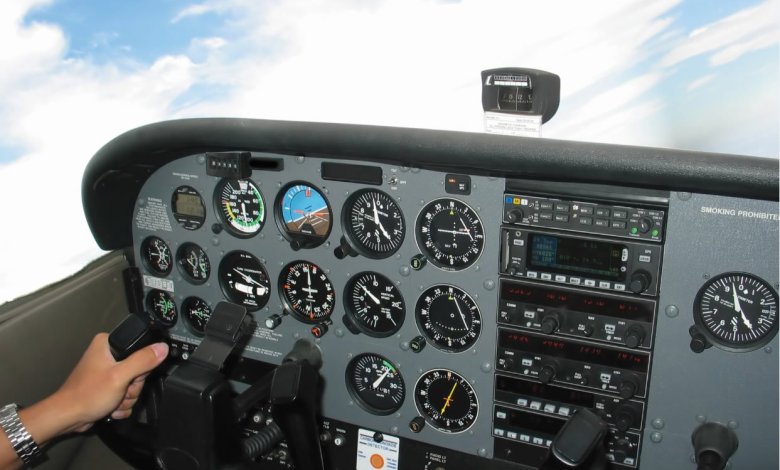
Your Altimeter Is Lying

All instruments in your panel lie some of the time. Some of them lie all the time. Even if you have a glass panel that eliminates things like compass turning errors, and its connected to an air-data computer so it always know the true airspeed, your back-up systems likely are steam gauges, the old-fashioned, mechanical kind. Thats the bad news.

Read More »

Throttled

Engine failure. Take a breath and collect yourself. Hopefully you have a flow memorized to try and restore power, and maybe it includes the fuel selector, mixture control, boost pump, magnetos and more. But what about the throttle?

Read More »

ADS-B Upgrade Choices

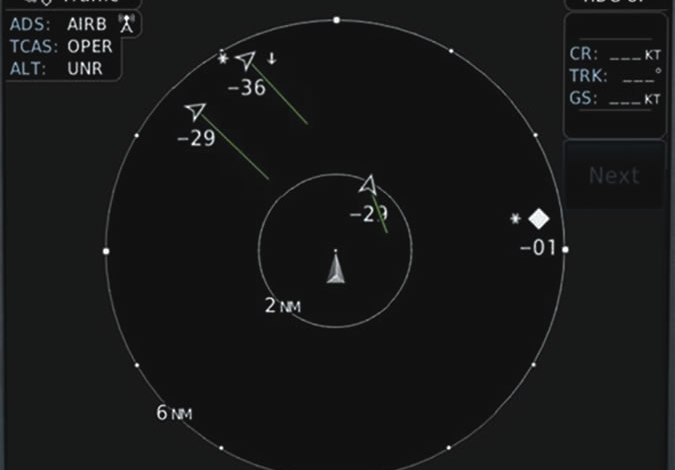
About the time this issue of the magazine hits your mailbox, the FAA will hold what its labeled a Call to Action summit designed to engage the aviation industry in meeting the January 1, 2020, deadline to equip aircraft with new avionics technology. The invitation- and industry-only event is set for October 28 and is the agencys latest high-visibility attempt to encourage users of all affected aircraft and airspace to equip with technology complying with the FAAs NextGen standard, namely, ADS-B OUT. The table on page 15 details where itll be required.

Read More »

Gear Emergencies

I’ve really only had one landing-gear-related situation in many years of flying retractables. In that event, a brand-new gear motor—installed at annual—failed to extend the gear while airborne after several successful tests on jacks. After an uneventful landing, the motor was repaired and there were no further issues with that airplane or its landing gear system. Between the failure and the uneventful landing, however, the cockpit was a bit busy. Fortunately, the right-seater was a rated pilot and mechanic.

Read More »

On Your Tail

Of all the major components of a conventional airplane, the tail—empennage, if you prefer—may be the least understood. Yes, we generally know it’s there to help balance and stabilize the airplane’s attitude in flight, and to help control yaw and pitch, but that’s often the extent to which we paid attention in ground school. If we were paying more attention, we might have learned airplane tails come in many different shapes and sizes, and can be placed at either end of the airplane. They can be partially or totally omitted from some airplanes, while others might be considered to have more than one.

Read More »

When Magnetometers (And Compasses) Go Bad

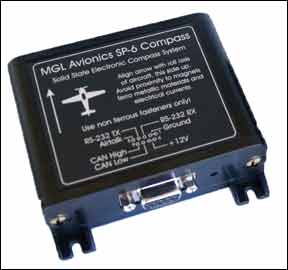
The latest-technology glass panels do many more things than the old, tried-and-true “steam gauges” with which many of us grew up. Through the “magic” of a software-driven display supported by various sensors, modern flight instrumentation can provide easy-to-read attitude information and a wealth of other data that simply wasn’t available before. But there’s no free lunch. Along with their additional capabilities and accuracy, glass panels also bring different failure modes to the cockpit. One of these new-tech failure modes involves the way in which they determine the aircraft’s heading, along with other information, most of which firmly belongs in the nice-to-have-but-not-critical category. In many situations, losing heading information isn’t the end of the world—especially if GPS navigation remains available—but it can have a ripple effect on the panel’s various other systems and capabilities. I recently learned the hard way how failure of the heading sensor(s), usually a magnetometer, may not be a failure at all, depending on how the equipment is designed and installed.

Read More »

Understanding Your Undercarriage

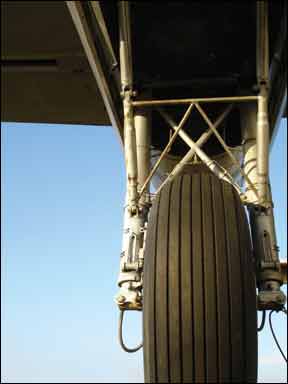
With the possible exception of a hot-air balloon, no matter what kind of aircraft you fly—airplane, glider, helicopter or blimp—it has an undercarriage of some sort, used when it’s on the ground. The component(s) actually resting on the ground can be tires, skids, floats or skis, but they’re attached to the airframe via the undercarriage. In turn, the undercarriage can be fixed, retractable or a mix (e.g., the main gear retracts while the tailwheel doesn’t). And just as there are a seemingly endless number of airframe configurations, undercarriages come in many different flavors.

Read More »

The Sparks That Let You Fly

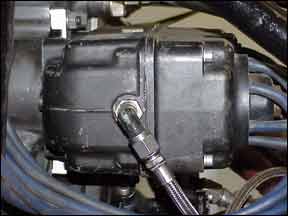
It really only takes three things to make our piston engines go: air, fuel and, of course, a spark to set things burning and those pistons churning. We, the pilots, are responsible for making sure our engines have enough fuel to mix with air (and enough air, for that matter) to make it all burn. We pretty much know where the air and fuel come from, but what about that spark? The answer is an engineering marvel, but an ancient one. As pilots in the 21st century, more than 100 (nearly 110!) years after the invention of the first flying aircraft engine, we rely, amazingly, on nearly the same technology to generate spark today as did the Wright Brothers.

Read More »
Pilot in aircraft
Sign-up for newsletters & special offers!

Get the latest stories & special offers delivered directly to your inbox.

SUBSCRIBE