Aircraft Analysis

50 Years a Pilot

As I write this, Im looking at my Wright Brothers Master Pilot Award sitting near the window sill. Its the most prestigious award the FAA issues to pilots, according to the agency, and eligibility for it requires a minimum of 50 years to elapse since a pilots first solo flight. I originally dismissed this award as an overblown creation of the FAA or, worse, an old geezers award for longevity. I finally decided it would be a great bookend for a lifetime of flying, or a beginning of the next chapter. For those of you out there with 50 continuous years of flying without accident, incident or violation-or if you know someone who meets the minimum requirements-you can find details of the award and how to apply on the FAA website.
Read More »

Bottom of the White

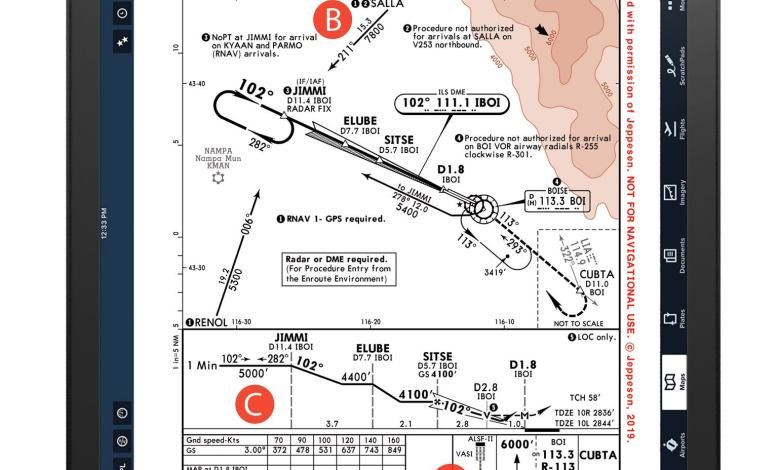
When transitioning between Earth and sky and back again, we fly at the lower end of the controlled-flight regime-as Goldilocks might say, Not too fast, not too slow, but just right. Pilots departing generally spend less time in the bottom range of their aircrafts airspeed envelope than during arrivals and approaches. Departing, we accelerate into the takeoff roll, lift off and, still accelerating, climb. Arrivals are the opposite. We descend and slow to approach speed, enter the pattern, and decelerate even more when sliding down the final.

Read More »

Cool Your Jets

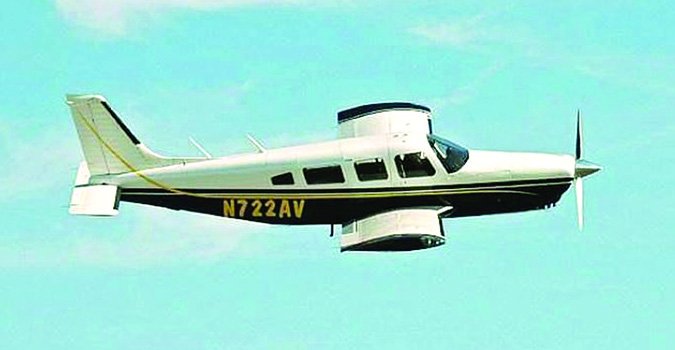
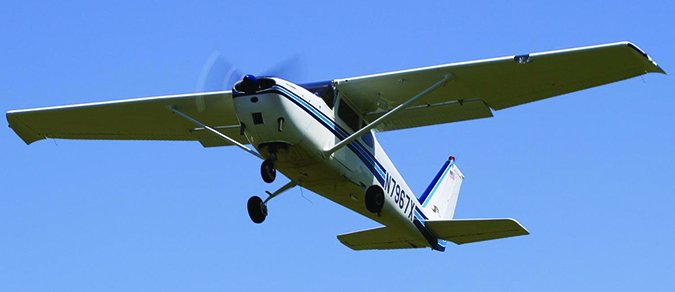
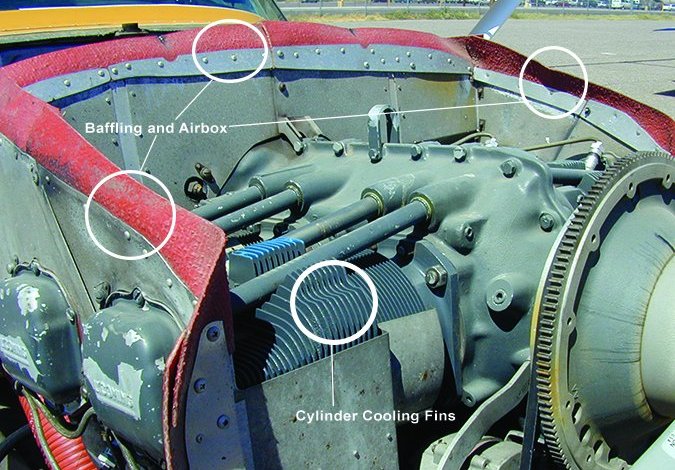
Most of us fly airplanes powered by air-cooled piston engines. Im thinking of a conventional, horizontally opposed spark-ignition powerplant from Lycoming or Continental, though the big radials also are air-cooled. The popular Rotax 912/914 series uses air to cool some portions of the engine and liquid for the rest. And even if an engine is totally liquid-cooled, it uses a radiator to exchange heat with the ambient air. Why do we use air as a primary coolant when liquid usually is more efficient, and a liquid-cooled engine can be built to tighter tolerances and greater resulting efficiencies? Air cooling is lighter and simpler than the alternatives, for one. For another, its the same reason submarines arent air-cooled-the abundance of air rushing past an airplane in flight provides ample opportunities to shed an engines heat. But thats true only if the air entering an engine cowling is properly managed and directed.

Read More »

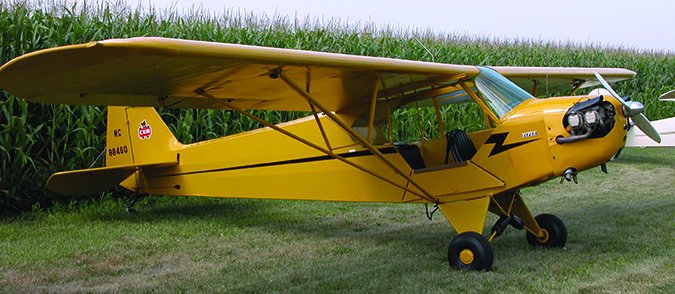
Spin Recovery Failure

Spin training-instruction in how to enter and recover from spins-used to be part of the private pilot curriculum. It was discontinued a few decades ago, in part because it was blamed for a drop-off in the number of students who completed their training and earned their private certificate. These days, the only required spin training is for the initial flight instructor certificate and one of the most popular line of airplanes-the Cirrus SR20 and SR22-come with an airframe parachute in lieu of demonstrated spin recovery capability.

Read More »

Distracted Flight Checks

As election day loomed, I realized I hadnt secured an absentee ballot. What to do? Fly home and vote, of course-any excuse for a cross-country. So I reserved the Skyhawk for the full day and invited a friend to join me. This was one of my first cross-country flights in a while. And it was the friends first-ever flight in a personal airplane, so he peppered me with questions as I pre-flighted the rental and got my act together.

Read More »

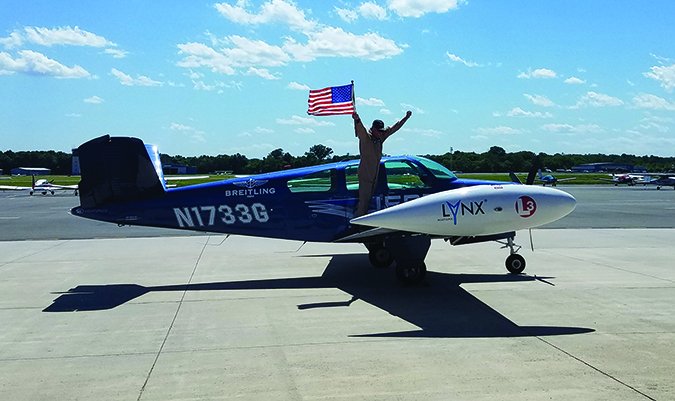
Eichhorn’s Flight Around the World

Somewhere back in the typical GA pilots mind is the idea of flying a personal airplane over long distances. Maybe across a continent, maybe an ocean. Or around the world. Part of the idea is visiting distant destinations and seeing foreign lands from the perspective only a personal airplane can offer. Another part of it is the challenge, which can be substantial; part of it is bragging rights; part of it is just because you can. However common the idea of flying around the world may be, the typical GA pilot rarely follows through. Whether due to time constraints, finances, lack of a suitable airplane or other responsibilities, the obstacles are just too daunting for the typical GA pilot.

Read More »

Aircraft Ground Handling

It was an early departure from the Philadelphia (Pa.) International Airport (KPHL) back to home plate. Thanks to an in-flight encounter with severe turbulence two days earlier, which injured three of my passengers, it had been a memorable three-day trip. I was the pilot flying the 757 for our last leg. As we taxied out, we checked the winds one last time before taking Runway 27L. It was early morning, and ATC still was doing noise-abatement departures to the west even though the winds were out of the east at 7-8 knots. We had a tailwind limit of 10 knots, and we were fairly light, maybe just over 200,000 pounds. So we were good to go.

Read More »

Running The Scud

Getting under a cloud layer and proceeding visually to a destination has been a temptation for pilots since the beginning. Airmail pilots, cruising at maybe 80 mph, had plenty of time to see and avoid obstacles down really low, but they still crashed airplanes. There were a lot fewer obstacles back then, and what were likely to be flying these days is a lot faster.

Read More »
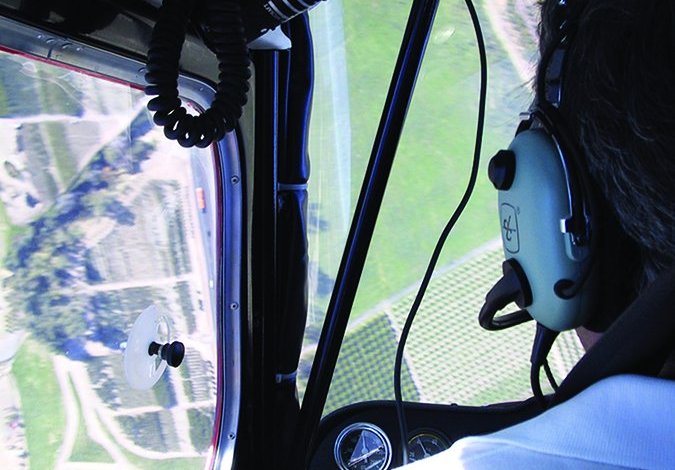
Pilot in aircraft
Sign-up for newsletters & special offers!

Get the latest stories & special offers delivered directly to your inbox.

SUBSCRIBE