Aircraft Analysis

5 Ways to Crash an Airplane

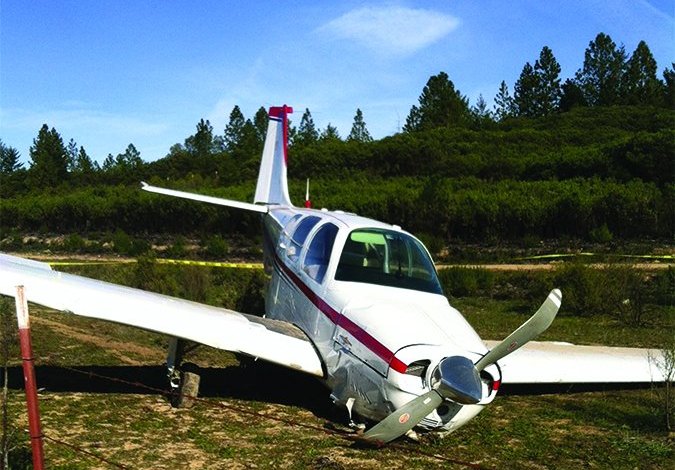
Lately, the general aviation community has focused, quite correctly, on the very preventable loss-of-control in-flight type of accident (LOC-I). Too many people somehow manage to bend an airplane-or worse-each year basically because they forget to fly it. Its a broad category, and includes a mix of accident causes, from low-level maneuvering, to VFR-into-IMC and to multi-engine training operations. As complex and dynamic as the LOC-I category is, it most assuredly doesnt include the full range of things pilots do to make the accident reports. For example, a look at the other category of pilot-related accidents, as broken down by the AOPA Air Safety Institute (AOPA ASI) in its 25th Nall Report, highlights some other areas where pilots regularly make contributions to the aviation-accident records. Here are five of them, not related to LOC-I.

Read More »

NTSB Takes On Midair Collisions

In the aftermath of its investigations into recent midair collisions the National Transportation Safety Board (NTSB) in November released guidance for pilots stressing the inherent limitations of the long-standing see-and-avoid practice and urging adoption of technological solutions. The NTSBs guidance is found in Safety Alert SA-058, Prevent Midair Collisions: Dont Depend on Vision Alone. The Safety Alert is available in the PDF file format free for the download at tinyurl.com/SAF058.

Read More »

Altitude? Or Speed?

Last year, I flew maybe 40 hours in piston twins, building time and getting through a checkride. With a bunch of experience in the IFR system flying high-performance singles, keeping up with the twins I was flying-and planning ahead and managing their systems, even in the busiest airspace-was relatively easy. Performing the engine-failure drills, the VMC and drag demonstrations, and practicing various other systems failures also were relatively easy, thanks to my experience in complex airplanes.

Read More »

Wired

During a routine inspection, the technician noted the strobe lights would remain on after the switch was selected off. Troubleshooting revealed the switch to be defective. Removing and disassembling the switch revealed the solder joint holding the braided wire had broken and welded itself to the line post. Switch was replaced IAW AD 2008-13-17 in May 2009.

Read More »

Aviation Safety 2016 Editorial Index

Catastrophic FailureAugustClassic CFITMayCloak Of InvincibilityDecemberFifteen MilesJuneMinimum EquipmentMarchMissing Flight PlanOctoberMostly MundaneJanuaryRunning The ScudAprilSpin Recovery FailureSeptemberThe Impossible TurnFebruaryToo Much Automation?NovemberUnsecured CargoJuly

Read More »

Cloak Of Invincibility

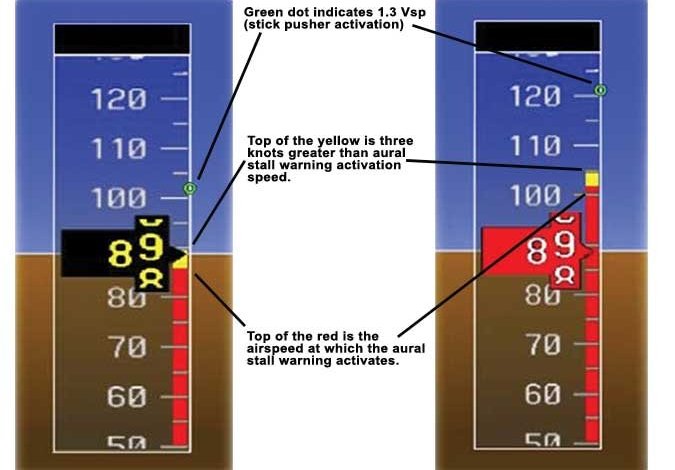
the left airspeed tape simulates the pilot’s chosen configuration while the right one depicts what the pilot would have seen with de-icing equipment engaged.”

Read More »

NTSB Reports: November 2016

The pilot later related he was in cruise climb at about 8500 feet msl when he noticed something in his peripheral vision, then felt a thud as something struck the airplane. There was no loss of control or abnormal control feel, so he continued the flight and landed uneventfully. Upon landing, about 12 inches of the airplanes vertical stabilizer was missing; there also was substantial damage to the rudder. Initial examination showed no evidence of organic material. A detailed examination by the NTSB is pending.

Read More »

Leaking Fuel Line

Once I started the engine and made it to the runup area, the Dynon D-180 registered about 10 gallons in the selected right tank (I have a Lycoming O-235-L2C engine installed and typically I burn about 5-6 gallons an hour). I thought it was peculiar, but I attributed the loss of five gallons to starting, taxi and runup. I took off and headed the 30 miles to my practice area.

Read More »

NTSB Reports: September 2016

At about 0900 Eastern time, the airplane was substantially damaged upon impacting an aircraft hangar following a total loss of engine power during a go-around. The flight instructor (CFI) and a student pilot received minor injuries. Visual conditions prevailed. The two had been practicing takeoffs and landings for about an hour when, on the downwind leg of the traffic pattern, the CFI directed the student to demonstrate a simulated engine failure. The airplane was about of the way down the runway when he initiated go-around. At this point, the engine sputtered and lost power. The CFI took over the flight controls and made a left turn at about 100 feet agl with the intent of flying over a hangar to a clear area beyond but realized they would not clear it. He placed the airplane in a 45-degree nose-up attitude so the engine penetrated the hangars metal door first.

Read More »
Pilot in aircraft
Sign-up for newsletters & special offers!

Get the latest stories & special offers delivered directly to your inbox.

SUBSCRIBE