Aircraft Analysis

Circular Approaches?

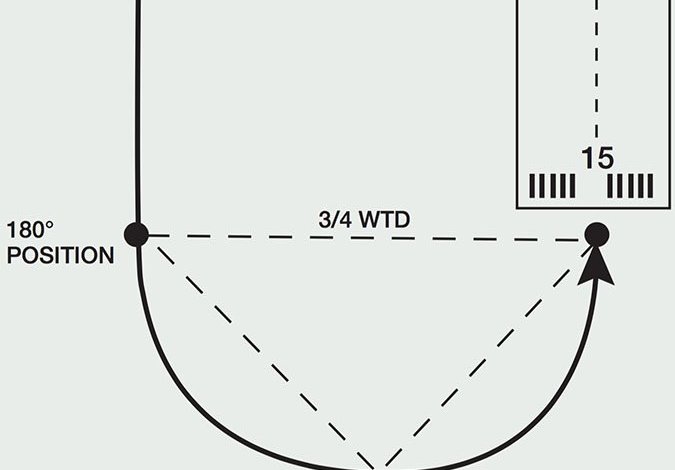
I own and fly a Cessna 172, and a curved pattern (Circular Patterns, March 2017) would not be an advantage as I would not see the runway until I came out at the end of the turn. I realize the military used this approach but as you know they have very few high-wing aircraft. Also, you would not be able to see if another aircraft cut you off until the last moment. Why change something that has been working just fine?
Read More »

Risk And Consequences

One of the first and most obvious choices we make when using a personal airplane is routing. We want to get from Point A to Point B, usually by the shortest, most direct route. So far, so good. What if that route increases the consequences of the risk in question, namely that our sole powerplant will fail at the worst possible time? Maybe change the route?

Read More »

Top Five Tire Tips

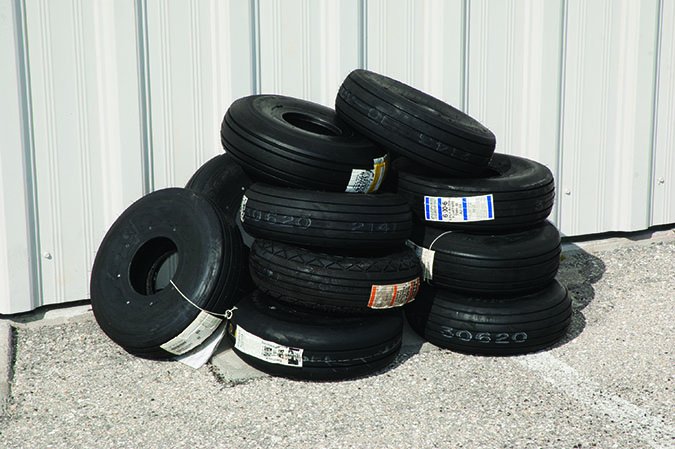
While generally round and black in color, thats almost all the characteristics aircraft tires have in common with their automotive siblings. In fact, a major difference is the construction and materials used in their manufacture. Aircraft tires and tubes primarily incorporate natural rubber while automotive tires use synthetic compounds extensively. Aircraft tires are designed for a very specific job and are part of the landing gear system on almost every aircraft.

Read More »

NTSB Reports: March 2017

After taking air samples at various altitudes, the airplane was returning to its base and overshot a turn to the Runway 36 localizer. Shortly thereafter, the pilot reported an on-board fire. The airplane, which was at 1700 feet, lost altitude rapidly and radar contact was lost. The accident site was consistent with the airplane striking the ground at a high velocity, low angle of impact in a left wing slightly low attitude. There was a ground fire after impact.

Read More »

Listen Up

Last year, in the final stages of my student helicopter pilot training, I needed to complete the solo requirement of three takeoffs and landings at an airport with an operating control tower. The short cross-country to the towered airport went well. I negotiated with the tower controller to use the airports south helipad, which is near the tower and the approach end of one of the facilitys principal runways. First circuit from and back to the pad was uneventful, two trips to go.

Read More »

Revising Slow Flight

By now, U.S.-based flight instructors and training organizations should be fully up to speed on last years formal implementation of the airman certification standards (ACS), which is designed to eventually replace all practical test standards (PTS). For now, only the private pilot and airplane instrument rating checkrides employ the ACS, but more are coming. The new standards went into effect June 15, 2016-if youre in the primary training environment and dont know about the ACS, you havent been paying attention.

Read More »

NTSB Reports: February 2017

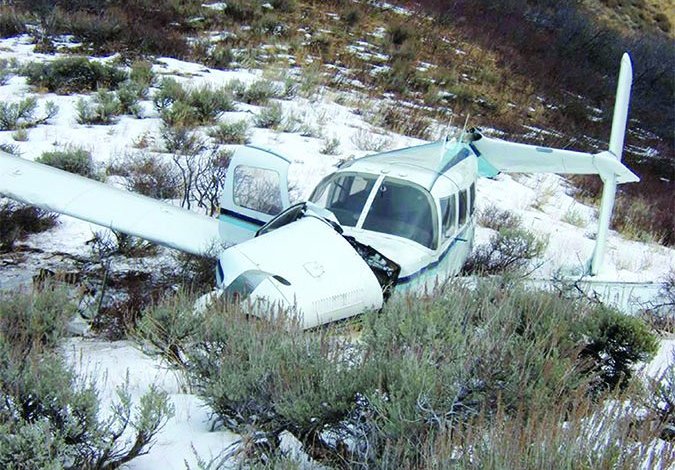
According to the pilot, about 10 minutes into an otherwise-normal the flight, the engine began to run rough. The pilot adjusted the power controls, but the engine started to backfire and continued to lose power. He made a spiraling descent from about 1000 feet agl and maneuvered the airplane to land on a paved area of a driving track. During the landing roll, the airplane struck a fence. The pilot stated the engine continued to operate throughout the landing and landing roll until the airplane struck the fence.

Read More »

Preflight Strategies

Preflight inspections are kind of like landings: a good one takes some practice. As students, we were trained to walk around the airplane with a formal checklist, perhaps with our thumb pointing to the task at hand, so we wouldnt miss anything. And in the rental/training environment, a methodical approach to preflighting what youre about to fly has a great deal of merit: You never know who flew it last, the airplanes condition afterward and what they broke until you look for yourself.

Read More »

Fate Can Be The Hunter

Kudos to Robert Wright on achieving 50 years of accident/incident free flying and receiving the FAAs Master Pilot Award (On Getting To 50, September 2016). I too have reached that milestone, but not without accident nor incident in my 6100-plus hours of private pilot flying, most of which has been recreational. My incidents occurred despite what I believed to have been reasonable risk management.

Read More »
Pilot in aircraft
Sign-up for newsletters & special offers!

Get the latest stories & special offers delivered directly to your inbox.

SUBSCRIBE