











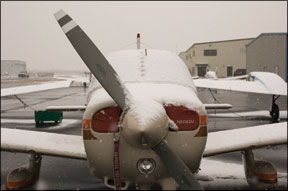
Its been several years now since I inflicted this on the poor thing, but somewhere out there is a Piper Archer II it once took me and a friend several tries to get started one cold, wintry day outside Washington, D.C. A lineguy came by, aimed a torpedo heater into the engine cooling inlets for a couple of minutes apiece, charged us a bunch of money and left. After a few more tries, wed managed to frost the plugs, so we decamped to the FBO for hot coffee. Thirty or so minutes later, we tried again and finally got a start. Based on what I know 288
Pre-Heating You Engine Increases Flight Reliability
Its been several years now since I inflicted this on the poor thing, but somewhere out there is a Piper Archer II it once took me and a friend several tries to get started one cold, wintry day outside Washington, D.C. A lineguy came by, aimed a torpedo heater into the engine cooling inlets for a couple of minutes apiece, charged us a bunch of money and left. After a few more tries, wed managed to frost the plugs, so we decamped to the FBO for hot coffee. Thirty or so minutes later, we tried again and finally got a start. Based on what I know now-I knew very little about engine or aircraft pre-heating back then-none of what we did could have been good for that engine.

Key Takeaways:
- Pre-heating aircraft engines in cold weather (below 20-45°F) is crucial to prevent engine wear caused by thickened oil and differential metal expansion, and to ensure proper function of instruments and avionics.
- Effective pre-heating requires a slow, sustained application of heat to thoroughly warm internal components, as quick blasts of hot air are largely ineffective and potentially damaging.
- Methods range from integrated engine heating systems and heated hangars to budget-friendly options like trouble lights or portable propane heaters, emphasizing the need for proper insulation and sufficient time.
- Pilots must plan for winter conditions, prioritizing comprehensive pre-heating of both the engine and potentially the cabin to mitigate the adverse effects of cold on aircraft components and ensure safe operation.
Key takeaways sponsored by Aviator Pro | Start Your Training ->
See a mistake? Contact us.

