Aircraft Analysis

NTSB Highlights Gas Fuel-Related Accidents

The NTSB in August released the latest in a series of what it calls Safety Alerts, which focused on preventable accidents stemming from fuel starvation or fuel exhaustion. According to the Safety Alert (SA-067, Flying On Empty, August 2017), an average of more than 50 accidents each year in the five years from 2011 to 2015 occurred due to fuel management issues.

Read More »

NTSB Reports: October 2017

The aircraft broke up in flight then impacted the ground after an uncontrolled descent at about 0153 Central time. The commercial pilot and five passengers sustained fatal injuries; the airplane was destroyed. Dark night visual conditions prevailed. An IFR flight plan was in effect.The airplane was in cruise at 10,000 feet msl when its pilot queried ATC about nearby weather conditions. Radar data then showed the airplane climb slightly and turn left.

Read More »

Finding The Airport

Starting a new job right out of engineering school was everything I thought it would be. With a great boss, a smart and experienced team, and interesting work, I had everything I wanted, with the exception of having to work the second shift.

Read More »

Skyhawks

Landing light switch was stuck in the on position. Suspect internal arcing and welding of contacts. The overheating caused by the arc- ing can cause the switch body to melt, but did not in this case. No signs of heat damage of external switch surface were found.

Read More »

Timing Is Everything

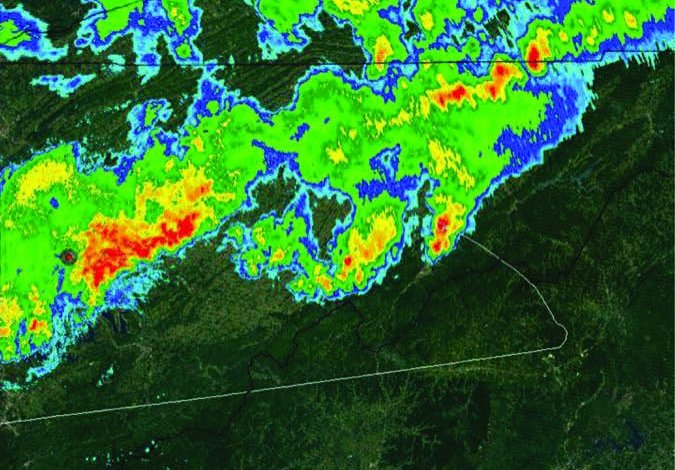
When I first started flying what I consider to be serious cross-countries, there was no such thing as in-cockpit weather radar. Even when flying the best-equipped singles, it was rare to have an sferic device like a Stormscope or Strike Finder. When my route was filled with a line of thunderstorms, I either went around them or landed and found a hotel for the evening. These days, we have near-real-time Nexrad weather radar from a variety of sources, and even ATC is better at pointing out storms and helping us around them.

Read More »

Ground Handling 101

it’s ideal to have at least two sets of eyes monitoring the activity. A wing-walker or other observer can help the tug’s diver with depth perception and likely see potential obstacles invisible from the driver’s seat.üThis Cessna 177 Cardinal appears to be well-secured. The cabin cover fits well and its straps are snug. The tiedown ropes are knotted close to the rings and it appears a control lock is installed.”

Read More »

Licking Gravity

There is more to weight and balance than the obvious fact that airplanes behave differently when the center of gravity (CG) is forward versus aft. The acceptable CG range tends to be broader when the plane is carrying a minimal load and narrower as you approach gross weight. Performance always matters, but CG is the most critical performance factor when the plane is at gross weight.Calculating weight and balance is not complex. Its pretty basic math that we all learn to do early on in ground school. And just like balancing a checkbook before paying bills, the numbers should always add up. It is just a little more effort with a bigger plane offering more loading permutations-more options for where people and objects can be stationed inside.

Read More »

Touch-And-Goes

The approach and landing phase should be conducted in accordance with whatever specific procedure is being practiced: normal, engine-out, short/soft-field, high density altitude. Simply because youre not planning to slow down and exit the runway doesnt mean you should do anything different on the approach and landing. After all, the reason youre doing touch-and-goes is to practice, and you cant engage in valuable practice if you dont simulate realistic conditions and procedures.

Read More »

Entry-Level Machines

We own and fly a Diamondstar DA40 from our home in Michigan to destinations all over the country. Generally my wife and I plan a two-week trip each fall and spring, often to the coasts. However, the word plan is figurative as we expect weather deviations and our routing may change at any time. We literally wake up in the morning, look at the current weather and decide our destination for the day. Typically, we will fly no more than 500 miles and land at a suitable GA airport. While I button down the airplane, my wife books a hotel, rents a car and finds out what to see and do in town from the always-friendly and helpful FBO staff.

Read More »
Pilot in aircraft
Sign-up for newsletters & special offers!

Get the latest stories & special offers delivered directly to your inbox.

SUBSCRIBE