Foreign Affairs
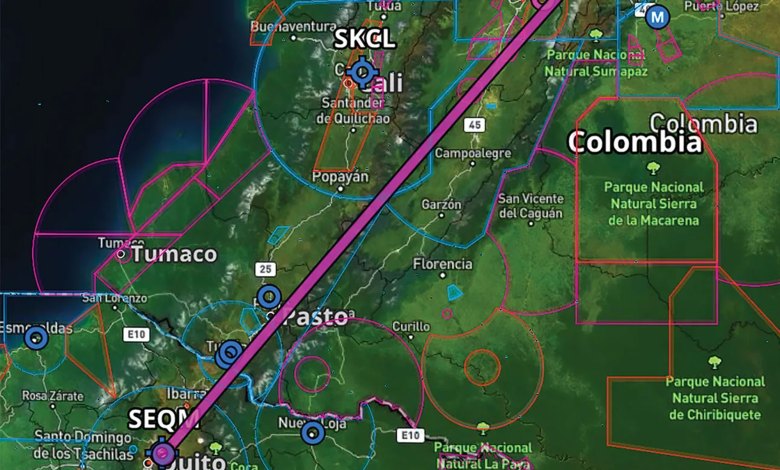
Away from the warm embrace of North Dakota, our hero takes on foreign ATC, poorly marked pavement, U.S. Customs and even Florida. Along the way, lessons were learned.
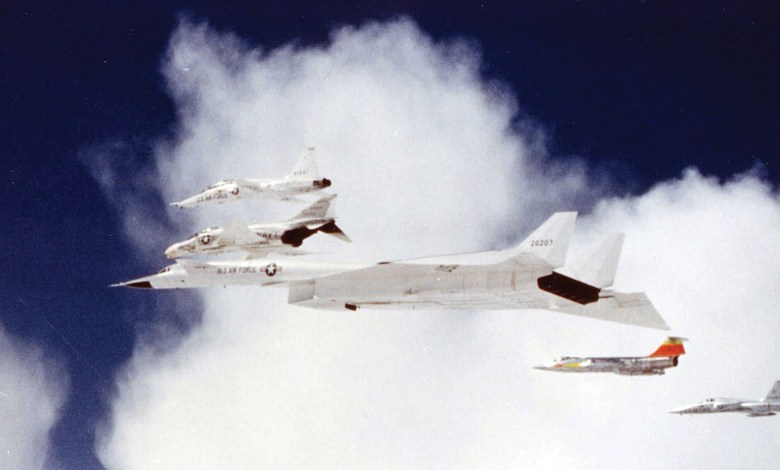
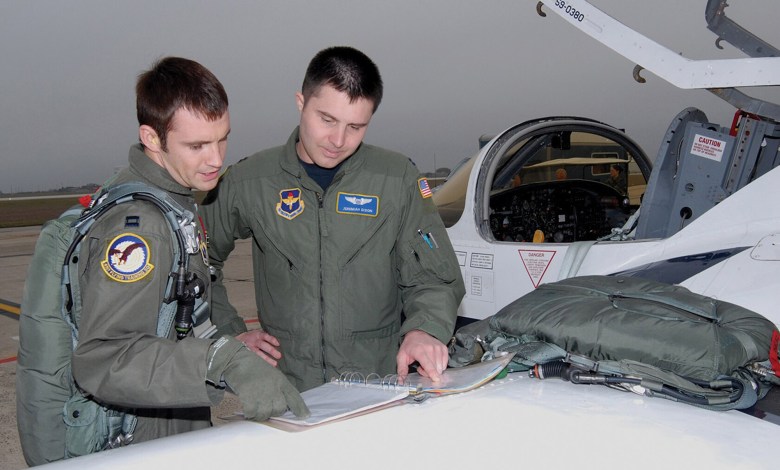
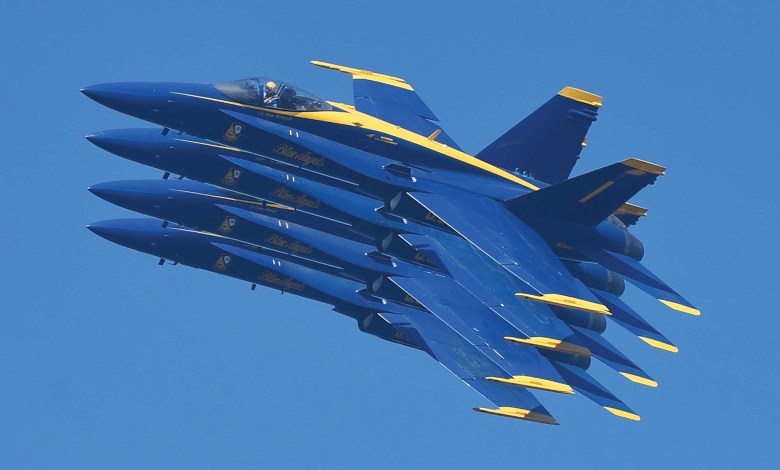
Formation flying is not something you want to do on a whim. Doing it properly requires planning and proper procedures.
Cockpit resource management isn’t limited to crews. Planning and situational awareness are key for single pilots.
Ultimately, flying is a series of distractions, one after another. Along the way, someone still has to fly the airplane.
Even professional pilots and controllers get it wrong sometimes. How can the rest of us keep up and minimize safety risks?
Practice makes perfect, especially when we go out to do things we don’t usually engage in for our everyday flying.
Recognizing the hazardous attitudes we all have is the challenge, and there’s an FAA Advisory Circular for that.
It demands a thorough preflight, and a pilot spring-loaded to abort the takeoff. And maybe stay in the pattern a while?
We all want to sound cool on the radio, but shortcuts and word omissions can breed rampant confusion.
Freshly frocked flight instructors need experience, just like the rest of us, and they may need to adjust to their new role.